





Natural Healing: Complete Guide to Ayurvedic Treatment for Fungal Infection of Skin
Fungal infections of the skin are among the most common dermatological concerns worldwide, affecting millions of people regardless of age, gender, or geography. From athlete's foot to ringworm, candidiasis to jock itch, these persistent conditions cause discomfort, embarrassment, and frustration. While conventional antifungal medications provide relief, many people seek sustainable, natural solutions through ayurvedic treatment for fungal infection of skin—approaches that address root causes while supporting overall skin and immune health.
Ayurveda's holistic understanding of skin health, combined with powerful antifungal botanicals and immune-strengthening protocols, offers comprehensive solutions for both acute infections and recurrent fungal conditions.
Understanding Fungal Infections Through the Ayurvedic Perspective
In Ayurvedic medicine, skin fungal infections fall under the category of "Dadru Kushtha"—a type of skin disorder characterized by circular, discolored patches with itching and scaling. According to classical texts, fungal infections result from specific imbalances:
Primary Causative Factors
1. Kapha-Pitta Imbalance: Most fungal infections involve aggravated Kapha dosha (creating dampness, moisture, and sluggishness) combined with Pitta dosha (creating heat, inflammation, and infection). This combination creates the perfect environment for fungal growth—warm, moist, and stagnant.
2. Accumulated Toxins (Ama): Poor digestion creates undigested toxins that accumulate in tissues, weakening local immunity and creating susceptibility to infections. This explains why fungal infections often recur in individuals with compromised digestive health.
3. Weakened Immunity (Ojas Depletion): Reduced ojas—the subtle essence governing immunity and vitality—makes skin vulnerable to pathogenic invasion. Stress, poor nutrition, inadequate sleep, and chronic illness all deplete ojas.
4. External Factors: Excessive moisture, poor hygiene, tight clothing, shared towels, contaminated surfaces, and warm, humid climates facilitate fungal transmission and proliferation.
Common Types of Skin Fungal Infections
Understanding the specific type of infection helps target treatment effectively:
Ringworm (Tinea Corporis)
Circular, red, scaly patches with clear centers and defined borders. Can appear anywhere on the body. Highly contagious through direct contact or contaminated surfaces.
Athlete's Foot (Tinea Pedis)
Affects feet, particularly between toes. Causes itching, burning, scaling, and sometimes blisters. Common in those who wear closed shoes for extended periods.
Jock Itch (Tinea Cruris)
Affects groin, inner thighs, and buttocks. Creates red, itchy, ring-shaped rash. More common in men and athletes due to moisture and friction.
Scalp Ringworm (Tinea Capitis)
Affects scalp and hair follicles. Causes scaly patches, hair loss, and sometimes painful inflammation. Most common in children.
Nail Fungus (Onychomycosis)
Affects fingernails or toenails, causing thickening, discoloration, and brittleness. Difficult to treat due to slow nail growth and limited penetration of topical treatments.
Candidiasis (Yeast Infection)
Caused by Candida species. Affects warm, moist areas like armpits, groin, under breasts, and oral cavity (thrush). Creates red, itchy rash with satellite lesions.
Pityriasis Versicolor
Causes discolored patches (lighter or darker than surrounding skin) on trunk, neck, and arms. Often appears in warm, humid weather.
Powerful Ayurvedic Herbs for Fungal Infection Treatment
Ayurvedic medicine offers an extensive pharmacopeia of herbs with potent antifungal, anti-inflammatory, and immune-supporting properties:
Neem (Azadirachta Indica): The Skin Purifier
Neem stands as the premier ayurvedic treatment for fungal infection of skin. This powerful herb contains nimbidin, nimbin, and other compounds with broad-spectrum antimicrobial, antifungal, and anti-inflammatory activities.
Research confirms Neem's effectiveness against dermatophytes (fungi causing ringworm), Candida species, and other pathogenic fungi. Beyond fighting active infection, Neem purifies blood, supports liver detoxification, and enhances overall immunity.
Applications:
- Neem leaf paste applied topically to affected areas
- Neem oil for direct antifungal action
- Internal consumption through capsules for systemic support
- Neem water for bathing infected areas
Liver detox capsules containing Neem support internal purification, addressing fungal infections from within.
Turmeric (Curcuma Longa): Golden Anti-Inflammatory
Turmeric's active compound curcumin provides powerful antifungal and anti-inflammatory benefits. Studies demonstrate curcumin's effectiveness against various fungal species while reducing inflammation, itching, and skin damage.
Curcumin capsules deliver concentrated doses for systemic anti-inflammatory and antifungal support, while topical turmeric paste provides direct relief.
Traditional Preparation: Mix turmeric powder with water or coconut oil to create paste. Apply to affected areas, leave for 20-30 minutes, then rinse. Repeat 2-3 times daily.
Tea Tree Oil: Nature's Antiseptic
Though not traditionally Ayurvedic, tea tree oil has been integrated into modern Ayurvedic practice for its remarkable antifungal properties. Clinical studies confirm its effectiveness against dermatophytes, Candida, and other fungal species.
Application: Dilute tea tree oil (2-3 drops) in coconut or sesame oil carrier. Apply to affected areas twice daily. Never use undiluted on skin.
Garlic (Lasuna): Antimicrobial Powerhouse
Garlic contains allicin and other sulfur compounds with potent antifungal activity. Both topical application and internal consumption provide benefits.
Topical Use: Crush fresh garlic cloves, mix with coconut oil, and apply to infected areas. May cause skin irritation in sensitive individuals—test on small area first.
Internal Use: Consume 2-3 raw garlic cloves daily or use aged garlic supplements for systemic antifungal support without topical irritation.
Aloe Vera: Soothing Healer
Aloe vera provides antifungal compounds while soothing inflammation, reducing itching, and accelerating skin healing. Its cooling nature makes it ideal for Pitta-type fungal infections with heat and inflammation.
Aloe vera plain juice taken internally supports digestive health and detoxification, while fresh aloe gel applied topically provides immediate relief.
Triphala: The Detoxifier
This classical formulation of three fruits (Amalaki, Bibhitaki, Haritaki) supports digestive health, eliminates toxins, and strengthens immunity—addressing root causes of recurrent fungal infections.
Usage: Take 1-2 teaspoons Triphala powder with warm water before bed for gentle detoxification and immune enhancement.
Guduchi (Tinospora Cordifolia): Immunity Booster
Guduchi enhances immune function, reduces inflammation, and supports liver detoxification. Its immunomodulatory properties help prevent recurrent infections.
Administration: Guduchi powder, tablets, or juice taken daily strengthens disease resistance and reduces infection susceptibility.
Bakuchi (Psoralea Corylifolia): Skin Rejuvenator
Bakuchi seeds possess antifungal properties and promote skin healing. Traditionally used for various skin conditions including fungal infections.
Preparation: Grind Bakuchi seeds with water or vinegar to create paste. Apply to affected areas. Can cause photosensitivity—avoid sun exposure after application.
Daruharidra (Berberis Aristata): Berberine Source
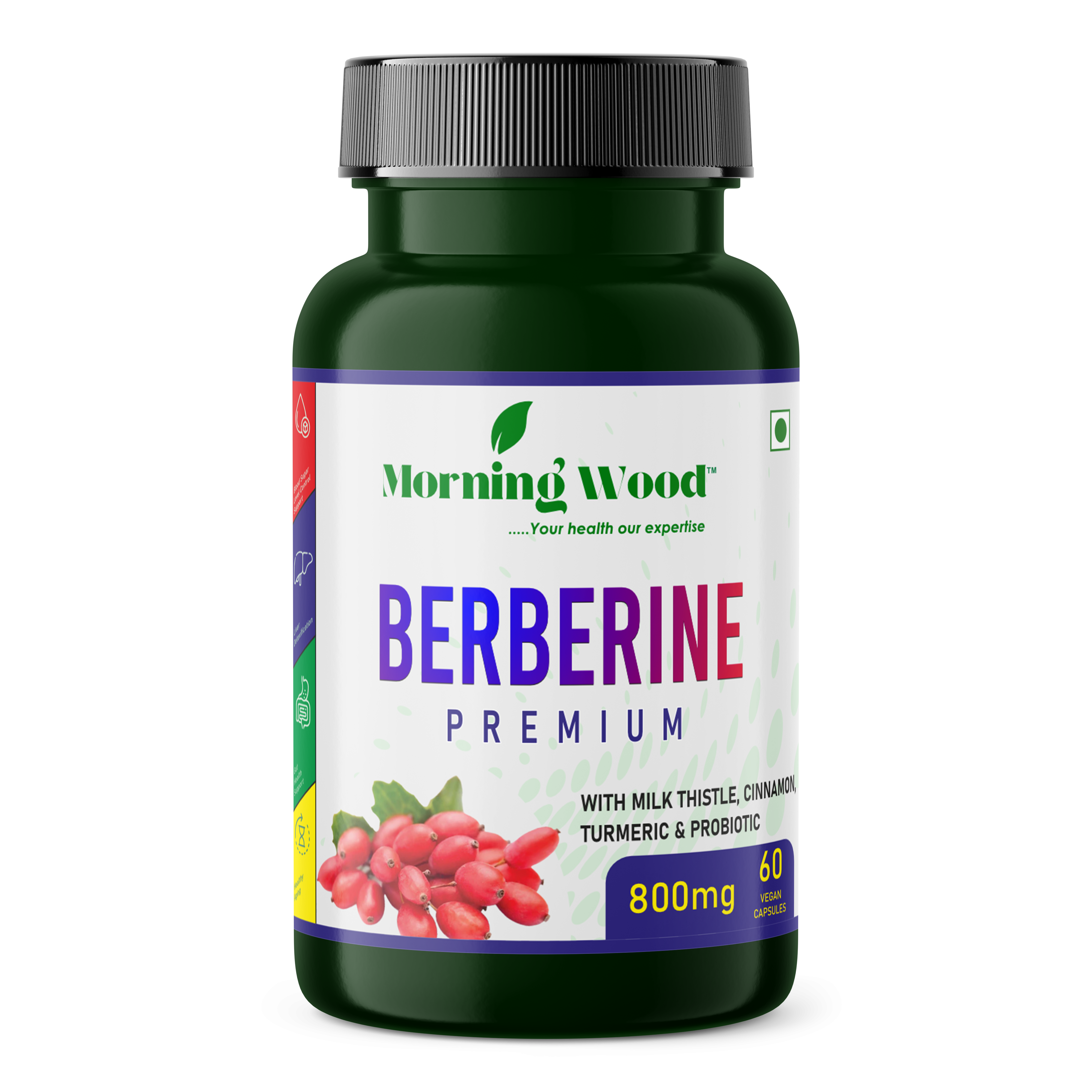
Daruharidra contains berberine, a powerful alkaloid with broad-spectrum antimicrobial and antifungal activity. Berberine premium capsules provide concentrated berberine for systemic support.
Comprehensive Ayurvedic Protocol for Fungal Infection Treatment
Effective ayurvedic treatment for fungal infection of skin requires multi-dimensional approach addressing both local infection and systemic imbalances:
Phase 1: Immediate Relief and Infection Control (Weeks 1-2)
External/Topical Treatment:
Daily Antifungal Application:
- Morning: Apply Neem paste or oil to affected areas
- Afternoon: Turmeric-coconut oil paste application
- Evening: Tea tree oil (diluted) or aloe vera gel
- Before bed: Garlic-coconut oil preparation (if tolerated)
Hygiene Protocol:
- Keep affected areas clean and completely dry
- Bathe with Neem water (boil Neem leaves, cool, use for washing)
- Change clothing and towels daily
- Wash all fabrics in hot water
- Avoid sharing personal items
Lifestyle Modifications:
- Wear loose, breathable cotton clothing
- Avoid synthetic fabrics that trap moisture
- Keep skin dry, especially in folds and creases
- Remove wet clothing immediately after exercise/swimming
- Use antifungal powder in shoes and between toes
Internal Support:
Immune Enhancement:
- Ashwagandha extract capsules for stress-related immune suppression
- Multivitamin support for comprehensive nutrition
- Curcumin capsules for systemic anti-inflammatory action
Detoxification:
- Liver detox capsules to eliminate accumulated toxins
- Liver care formulations for optimal metabolic function
- Triphala before bed for gentle elimination support
Dietary Modifications:
- Eliminate refined sugars (feeds fungal growth)
- Reduce yeast-containing foods (bread, alcohol, fermented products)
- Avoid excessive dairy and heavy, oily foods
- Emphasize bitter vegetables (bitter gourd, fenugreek leaves)
- Include antifungal spices: turmeric, garlic, ginger, black pepper
Phase 2: Deep Healing and Prevention (Weeks 3-6)
Continued Topical Care:
- Reduce application frequency to twice daily as infection clears
- Continue even after symptoms resolve to prevent recurrence
- Maintain strict hygiene protocols
Systemic Strengthening:
Digestive Optimization:
- Digestive juice formulations to enhance nutrient absorption
- Address constipation with natural relief capsules
- Include probiotic-rich foods (yogurt, kefir) to restore healthy flora
Immunity Building:
- Continue Ashwagandha supplementation
- Add sea moss capsules for mineral-rich immune support
- Quercetin capsules for antioxidant and anti-inflammatory protection
- Resveratrol for cellular protection
Antioxidant Support:
- Amla juice for vitamin C and immune enhancement
- Multi berries juice for diverse antioxidant compounds
- Noni gold juice for comprehensive wellness support
Blood Purification: Ayurveda emphasizes blood purification (Rakta Shodhana) for skin conditions:
- Neem internally through supplements or decoction
- Aloe vera juice for gentle detoxification
- Bitter herbs like guduchi and neem
Phase 3: Long-Term Prevention (Ongoing)
Maintenance Protocol:
Daily Hygiene:
- Continue using Neem soap or adding Neem to bathing water
- Keep skin dry and well-ventilated
- Wear breathable fabrics
- Rotate shoes and air them thoroughly
Preventive Supplementation:
- Comprehensive multivitamin for foundational health
- Periodic liver detox support (seasonally)
- Omega-3 fatty acids for skin barrier function
- Omega 369 capsules for balanced essential fat intake
Immune Resilience:
- Regular Ashwagandha for stress management
- Adequate sleep with herbal sleep support if needed
- Stress reduction through yoga, meditation, pranayama
- Regular moderate exercise
Dietary Vigilance:
- Maintain low-sugar, anti-inflammatory diet
- Include antifungal foods regularly (garlic, coconut oil, ginger, turmeric)
- Emphasize fresh vegetables, whole grains, lean proteins
- Stay well-hydrated with 8-10 glasses water daily
Specific Protocols for Different Fungal Infections
Athlete's Foot Treatment
Topical:
- Soak feet in Neem water mixed with sea salt (15 minutes daily)
- Apply tea tree oil diluted in coconut oil between toes
- Use antifungal powder in shoes
- Alternate shoes daily, allowing complete drying
Prevention:
- Wear moisture-wicking socks
- Go barefoot at home when possible
- Never share footwear or towels
- Dry thoroughly between toes after bathing
Ringworm Treatment
Topical:
- Turmeric-Neem paste applied 2-3 times daily
- Cover with breathable bandage if needed
- Continue treatment 2 weeks after lesions clear
Hygiene:
- Wash hands after touching infected area
- Disinfect surfaces that may have contacted infection
- Wash clothing, bedding in hot water
Jock Itch Protocol
Topical:
- Keep groin area completely dry
- Apply antifungal paste after bathing
- Wear loose, cotton underwear
- Change underwear twice daily if sweating
Prevention:
- Shower immediately after exercise
- Avoid tight clothing
- Use separate towel for groin area
Candidiasis Treatment
Topical:
- Apply diluted tea tree oil or coconut oil to affected areas
- Keep skin folds dry with cornstarch or antifungal powder
- Aloe vera gel for soothing relief
Internal:
- Probiotic-rich foods to restore healthy flora
- Eliminate sugar completely (feeds Candida)
- Berberine capsules for systemic antifungal action
- Garlic supplementation
For Oral Thrush:
- Oil pulling with coconut oil (10 minutes daily)
- Rinse with diluted tea tree oil mouthwash
- Maintain excellent oral hygiene
Nail Fungus Treatment
Most challenging fungal infection requiring patience:
Topical:
- Soak nails in Neem-vinegar solution (15 minutes daily)
- Apply tea tree oil directly to affected nails twice daily
- File down thickened nails to improve penetration
- Continue treatment until new, healthy nail grows completely (6-12 months)
Internal:
- Curcumin capsules for systemic antifungal support
- Collagen capsules for healthy nail growth
- Biotin supplementation for nail strength
Dietary Recommendations for Fungal Infection Management
Foods to Emphasize
Antifungal Foods:
- Garlic (2-3 cloves daily)
- Coconut oil (contains caprylic acid)
- Ginger (fresh or supplements)
- Turmeric in cooking
- Onions for antimicrobial compounds
- Apple cider vinegar (diluted in water)
Immune-Supporting Foods:
- Leafy greens rich in vitamins and minerals
- Colorful vegetables for antioxidants
- Lean proteins for tissue repair
- Healthy fats (omega-3 from fish, nuts, seeds)
- Probiotic foods (yogurt, kefir, fermented vegetables)
Bitter Foods (Reduce Kapha):
- Bitter gourd
- Fenugreek leaves
- Turmeric
- Neem leaves (in small quantities)
Foods to Avoid
Sugar and Refined Carbohydrates:
- White sugar, brown sugar, honey (during active infection)
- White bread, pastries, cakes
- Candy, chocolate, sweet beverages
- Excessive fruit (natural sugars feed fungi)
Yeast-Containing Foods:
- Bread and baked goods with yeast
- Beer and alcoholic beverages
- Fermented sauces (soy sauce, vinegar in excess)
- Mushrooms (may cross-react)
Kapha-Aggravating Foods:
- Excessive dairy products
- Heavy, oily, fried foods
- Cold foods and beverages
- Leftovers and processed foods
Therapeutic Beverages
- Warm lemon water upon waking
- Herbal teas: ginger, turmeric, cinnamon
- Amla juice for immune support
- Aloe vera juice for detoxification
- Warm water throughout day (8-10 glasses)
Lifestyle Modifications for Prevention
Personal Hygiene
- Daily bathing with Neem soap
- Thorough drying, especially skin folds
- Clean, dry clothing daily
- Separate towels for different body parts
- Regular laundering of towels, bedding in hot water
Environmental Management
- Keep living spaces well-ventilated
- Reduce humidity in bathrooms, bedrooms
- Disinfect shared surfaces regularly
- Avoid walking barefoot in public areas
- Use personal footwear in gyms, pools
Clothing Choices
- Prefer natural, breathable fabrics (cotton, linen)
- Avoid tight, restrictive clothing
- Change out of wet clothing immediately
- Rotate footwear to allow complete drying
- Wash gym clothes after each use
Stress Management
Chronic stress depletes immunity, increasing infection susceptibility:
- Daily meditation or pranayama practice
- Ashwagandha supplementation for stress adaptation
- Adequate sleep (7-9 hours) with sleep support if needed
- Regular exercise (moderate intensity)
- Time in nature and joyful activities
Seasonal Considerations
During Hot, Humid Weather:
- Increase hygiene vigilance
- Use antifungal powders preventively
- Shower more frequently
- Keep air conditioning or fans running
- Wear minimal, breathable clothing
During Winter:
- Avoid overheating and excessive sweating
- Don't keep wet shoes indoors
- Maintain good air circulation
- Continue preventive protocols
When to Seek Medical Attention
While ayurvedic treatment for fungal infection of skin offers powerful natural solutions, certain situations require professional evaluation:
- Infection spreading despite treatment
- Severe inflammation, pain, or oozing
- Signs of secondary bacterial infection (pus, extreme redness, warmth)
- Scalp infection with hair loss
- Nail infections not responding to treatment
- Immunocompromised individuals
- Diabetic patients with fungal infections
- Persistent infections beyond 4-6 weeks of treatment
- Recurrent infections (3+ times yearly)
In these cases, integrate Ayurvedic support with appropriate medical care for comprehensive treatment.
The Morning Wood Commitment to Skin Health
Morning Wood's premium Ayurvedic formulations provide scientifically-validated, traditionally-rooted support for skin health and immune function. Each product undergoes rigorous quality testing, ensuring therapeutic potency and purity.
From anti-inflammatory curcumin to immune-supporting multivitamins, Morning Wood offers comprehensive solutions for fungal infection treatment and prevention.
Final Thoughts: Healing from Within and Without
Fungal infections, while frustrating, offer an opportunity to address deeper imbalances and strengthen overall health. Through ayurvedic treatment for fungal infection of skin—combining potent antifungal herbs, immune enhancement, digestive optimization, and mindful lifestyle practices—you can not only eliminate current infections but prevent future recurrences.
Remember that true healing requires patience and consistency. Topical applications provide immediate relief, but lasting resolution comes from addressing root causes: strengthening immunity, optimizing digestion, reducing stress, and maintaining excellent hygiene.
Your skin reflects your internal health. By nurturing your body with quality nutrition, herbal support from Morning Wood, stress management, and self-care, you create radiant skin health that extends far beyond absence of infection.
Begin your healing journey today with natural, sustainable solutions that honor your body's innate wisdom and healing capacity.
Disclaimer: This information is for educational purposes only and not intended to diagnose, treat, cure, or prevent any disease. Always consult with qualified healthcare providers before starting any new treatment regimen, especially if you have existing health conditions, are pregnant or nursing, or are taking medications. Severe or persistent fungal infections require professional medical evaluation. Individual results may vary.
Ayurvedic Tonic: Best Natural Health Tonics & Supplements | Morning Wood
Ayurvedic Treatment for Heart Blockage: Natural Heart Health Solutions | Morning Wood
Related Posts

Ayurvedic Weight Loss Capsules – Best Herbal Fat Burner Supplement in India | Morning Wood

Ayurvedic Tea Ingredients: A Complete Guide to Traditional Herbal Blends for Wellness

Managing Blood Sugar Naturally: The Ultimate Guide to Ayurvedic Sugar Tablets

Ayurvedic Sugar Tablet: A Natural Way to Support Blood Sugar Balance with Morningwood

Ayurvedic Multivitamin Syrup: Why India Is Switching to Herbal Nutrition

Ayurvedic Medicine to Reduce Belly Fat: A Holistic Approach That Delivers Results

Ayurvedic Medicine to Lose Belly Fat: Proven Herbs and Rituals for a Flatter Stomach
