





Ayurvedic Treatment for Heart Blockage: Natural Heart Health Solutions | Morning Wood
Heart disease remains the leading cause of mortality worldwide, with coronary artery blockages representing one of the most serious cardiovascular conditions. When arteries become narrowed or blocked by plaque buildup (atherosclerosis), blood flow to the heart muscle decreases, potentially leading to angina, heart attacks, and other life-threatening complications. While modern medicine offers critical interventions including medications, angioplasty, and bypass surgery, many people seek complementary approaches through ayurvedic treatment for heart blockage—natural methods that support cardiovascular health, reduce risk factors, and enhance overall heart function.
CRITICAL DISCLAIMER: Heart blockage is a serious medical condition requiring professional medical supervision. This article discusses complementary Ayurvedic approaches that may support cardiovascular health alongside—not instead of—conventional medical care. Never discontinue prescribed medications or ignore medical advice. Always consult your cardiologist before beginning any new supplement or treatment regimen.
Understanding Heart Blockage Through Ayurvedic Perspective
In Ayurvedic medicine, heart health is governed by "Hridaya" (the heart) and "Rasa" and "Rakta" dhatus (plasma and blood tissues). Cardiovascular disease is understood through the lens of:
Hrid Roga (Heart Disease) Classification
Ayurvedic texts describe various heart conditions, with atherosclerosis and coronary blockage most closely resembling "Dhamani Pratichaya"—a condition where channels (srotas) become obstructed by accumulated waste material (ama) and lipids (meda).
Root Causes in Ayurvedic Understanding
1. Ama Accumulation (Toxin Buildup): Poor digestion creates undigested food residue (ama) that enters circulation, coating blood vessel walls and contributing to plaque formation. This correlates with modern understanding of oxidized lipids and inflammatory compounds in atherosclerosis.
2. Meda Dhatu Excess (Fat Tissue Imbalance): Excessive or poor-quality fat tissue metabolism leads to cholesterol accumulation in arterial walls. Ayurveda recognized the connection between dietary fat and heart disease millennia ago.
3. Kapha-Vata Imbalance: Kapha dosha governs structure and mucus, while Vata controls movement. When Kapha accumulates excessively (creating deposits) and Vata becomes disturbed (creating irregular circulation), arterial blockage develops.
4. Weakened Agni (Digestive Fire): Compromised metabolic fire fails to properly process nutrients and fats, leading to their pathological accumulation rather than healthy utilization.
5. Lifestyle Factors: Ayurveda identifies sedentary living, stress, improper diet, inadequate sleep, and negative emotions as contributors to heart disease—factors modern cardiology now validates.
Powerful Ayurvedic Herbs for Cardiovascular Health
Ayurvedic pharmacology offers remarkable botanicals specifically indicated for heart health, circulation, and arterial wellness:
Arjuna (Terminalia Arjuna): The Heart Protector
Arjuna bark stands as the premier ayurvedic treatment for heart blockage and overall cardiovascular health. Extensive research validates its traditional use:
Cardiovascular Benefits:
- Strengthens heart muscle contractility
- Reduces blood pressure naturally
- Lowers LDL cholesterol and triglycerides
- Increases HDL (beneficial) cholesterol
- Provides cardioprotective antioxidants
- Reduces arterial plaque formation
- Improves coronary circulation
- Protects against ischemic damage
Clinical Evidence: Studies demonstrate Arjuna's effectiveness comparable to some conventional medications for angina relief, heart failure support, and post-heart attack recovery.
Cardio care juice featuring Arjuna and complementary cardiovascular herbs provides comprehensive heart support in convenient liquid form.
Guggul (Commiphora Mukul): Cholesterol Manager
Guggul resin contains guggulsterones—compounds that significantly reduce total cholesterol, LDL cholesterol, and triglycerides while increasing beneficial HDL cholesterol.
Mechanisms:
- Enhances bile acid excretion
- Reduces hepatic cholesterol synthesis
- Improves lipid metabolism
- Provides anti-inflammatory protection to arterial walls
- Prevents platelet aggregation (reduces clotting risk)
Research shows 25-30% reduction in cholesterol levels with standardized guggul supplementation over 12 weeks.
Garlic (Lasuna): Natural Blood Thinner
Garlic offers multiple cardiovascular benefits validated by extensive research:
Heart Health Properties:
- Reduces total and LDL cholesterol
- Lowers blood pressure (both systolic and diastolic)
- Prevents platelet aggregation (natural blood thinning)
- Reduces arterial plaque buildup
- Improves endothelial function
- Provides antioxidant protection
Usage: Fresh garlic (2-3 cloves daily) or aged garlic extract supplements provide therapeutic benefits. Cooking reduces potency, so raw consumption offers maximum benefit.
Hawthorn (Crataegus): Circulation Enhancer
Hawthorn berries, leaves, and flowers strengthen heart muscle, improve coronary blood flow, and reduce arterial resistance.
Benefits:
- Increases cardiac output
- Dilates coronary arteries
- Reduces blood pressure
- Provides antioxidant cardioprotection
- Supports recovery from heart attack or surgery
Turmeric/Curcumin: Anti-Inflammatory Powerhouse
Curcumin's potent anti-inflammatory properties directly address atherosclerosis, which modern medicine now recognizes as an inflammatory disease.
Curcumin capsules provide concentrated anti-inflammatory support that:
- Reduces arterial inflammation
- Prevents LDL oxidation (key step in plaque formation)
- Improves endothelial function
- Reduces platelet aggregation
- Protects heart muscle from ischemic damage
Ashwagandha (Withania Somnifera): Stress and Heart Health
Chronic stress significantly contributes to heart disease through cortisol elevation, inflammation, and blood pressure increases. Ashwagandha extract capsules address this critical risk factor:
Cardiovascular Benefits:
- Reduces cortisol by up to 30%
- Lowers blood pressure naturally
- Improves lipid profiles
- Enhances exercise tolerance
- Provides cardioprotective antioxidants
- Reduces anxiety and improves sleep (both crucial for heart health)
Ginger (Zingiber Officinale): Circulation Booster
Ginger improves circulation, reduces platelet stickiness, and provides anti-inflammatory cardiovascular protection.
Heart Benefits:
- Reduces cholesterol and triglycerides
- Prevents platelet aggregation
- Improves circulation
- Reduces inflammation
- Thins blood naturally (use cautiously with anticoagulants)
Cayenne Pepper: Cardiovascular Stimulant
Capsaicin in cayenne improves circulation, strengthens blood vessels, and supports healthy blood pressure.
Properties:
- Dilates blood vessels
- Improves peripheral circulation
- Supports healthy blood pressure
- Provides antioxidant protection
Comprehensive Ayurvedic Protocol for Heart Health
IMPORTANT: This protocol is complementary to medical treatment, not a replacement. Continue all prescribed medications and medical monitoring.
Phase 1: Risk Factor Reduction (Months 1-3)
Medical Baseline:
- Complete cardiovascular evaluation with cardiologist
- Baseline bloodwork: lipid panel, blood sugar, inflammatory markers
- Stress test if recommended
- Continue all prescribed medications
Nutritional Foundation:
Cholesterol and Triglyceride Management:
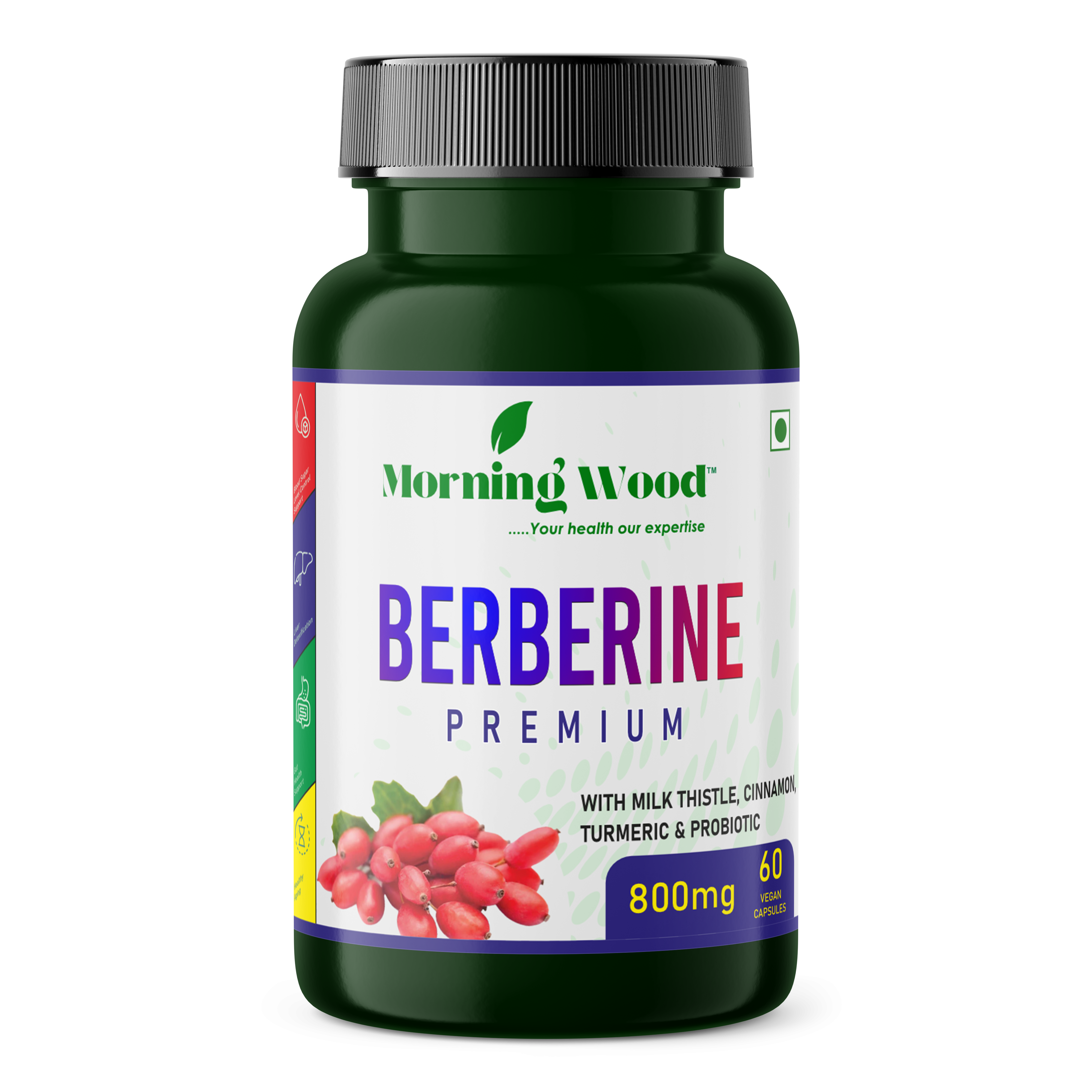
- Berberine premium capsules: Clinically proven to reduce cholesterol and blood sugar comparable to some medications
- Curcumin capsules: Anti-inflammatory arterial protection
- Omega-3 fatty acids: Reduces triglycerides, inflammation, and clotting risk
- Omega 369 capsules: Balanced essential fatty acid support
Antioxidant Protection:
- Resveratrol capsules: Activates longevity pathways, protects arterial walls
- Quercetin capsules: Anti-inflammatory, improves endothelial function
- Amla juice: Vitamin C-rich antioxidant support
- Multi berries juice: Diverse antioxidant compounds
Comprehensive Nutrition:
- Multivitamin capsules: Ensures adequate B vitamins (especially B6, B12, folate) to reduce homocysteine, a heart disease risk factor
Stress Management:
- Ashwagandha extract: Cortisol reduction and stress adaptation
- Daily meditation or pranayama practice (20 minutes)
- Herbal sleep support: Quality sleep critical for heart health
Dietary Modifications:
Heart-Healthy Foods:
- Leafy greens rich in nitrates (improve circulation)
- Fatty fish 2-3 times weekly (or omega-3 supplements)
- Nuts and seeds (walnuts, flaxseeds, chia seeds)
- Whole grains (oats, barley, quinoa)
- Berries for antioxidants
- Legumes for fiber and protein
- Olive oil as primary fat
- Garlic, onions, ginger, turmeric daily
Foods to Eliminate:
- Trans fats (completely eliminate)
- Processed meats (bacon, sausage, deli meats)
- Refined sugars and white flour
- Excessive salt (use herbs and spices instead)
- Fried foods
- Full-fat dairy (switch to low-fat options)
- Excessive alcohol
Lifestyle Foundations:
- Walking 30 minutes daily (with doctor approval)
- Weight management if needed
- Smoking cessation (absolutely critical)
- Blood pressure monitoring
- Stress reduction practices
Phase 2: Active Cardiovascular Support (Months 3-6)
Continue Phase 1 interventions plus:
Targeted Heart Support:
- Cardio care juice: Arjuna-based cardiovascular tonic
- Increase exercise intensity gradually (with medical supervision)
- Advanced stress management (yoga, deep breathing)
Metabolic Optimization:
Blood Sugar Control: Diabetes significantly increases heart disease risk. If blood sugar is elevated:
- Berberine capsules: Improves insulin sensitivity
- Diabetic care juice: Specialized blood sugar support
- Low glycemic diet with regular meal timing
Weight Management: Excess weight strains the heart and worsens risk factors:
- Fat burner capsules: Natural metabolic support
- Green tea capsules: Metabolism and antioxidant benefits
- Apple cider vinegar: Supports healthy weight management
Detoxification Support:
- Liver detox capsules: Optimizes lipid metabolism
- Liver care formulations: Supports cholesterol processing
- Digestive juice: Enhances nutrient absorption and metabolism
Enhanced Exercise Protocol:
- Cardio exercise 150 minutes weekly (moderate intensity)
- Resistance training 2-3 times weekly
- Flexibility and stress-reduction (yoga, tai chi)
- Always within parameters set by cardiologist
Phase 3: Long-Term Maintenance and Prevention (Ongoing)
Regular Medical Monitoring:
- Quarterly cardiology check-ups initially
- Annual stress tests and imaging as recommended
- Regular lipid panels, blood sugar monitoring
- Blood pressure tracking (home monitoring daily)
Sustained Supplementation:
- Continue core supplements: omega-3, curcumin, ashwagandha
- Cardio care juice as daily heart tonic
- Multivitamin support for comprehensive nutrition
- Antioxidant rotation: resveratrol, quercetin, sea moss
Dietary Excellence:
- Mediterranean diet pattern (extensively researched for heart health)
- Plant-forward eating with moderate fish
- Minimal processed foods
- Regular inclusion of therapeutic foods (garlic, turmeric, ginger, berries)
- Adequate hydration (8-10 glasses water daily)
Lifestyle Optimization:
- Maintain healthy weight (BMI under 25)
- Regular exercise (non-negotiable)
- Stress management practices daily
- Quality sleep 7-8 hours nightly
- Strong social connections and community
- Regular medical follow-up
Specific Dietary Recommendations for Heart Blockage
Heart-Healing Foods
Nitrate-Rich Vegetables (Improve Circulation):
- Beetroot and beet greens
- Spinach and leafy greens
- Arugula and lettuce
- Celery
Omega-3 Rich Foods:
- Salmon, mackerel, sardines
- Flaxseeds, chia seeds, walnuts
- Or omega-3 supplements
Fiber Sources (Lower Cholesterol):
- Oats and barley
- Beans and lentils
- Apples, pears, berries
- Psyllium husk
Antioxidant Powerhouses:
- Berries (blueberries, strawberries, raspberries)
- Dark chocolate (70%+ cacao, moderate amounts)
- Green tea
- Multi berries juice
Heart-Protective Spices:
- Turmeric with black pepper
- Garlic (raw when possible)
- Ginger fresh or dried
- Cinnamon for blood sugar control
- Cayenne for circulation
Sample Heart-Healthy Daily Menu
Upon Waking:
- Warm lemon water
- Ashwagandha capsule
Breakfast:
- Oatmeal with berries, ground flaxseed, walnuts
- Multivitamin, omega-3
- Green tea
Mid-Morning:
Lunch:
- Large salad with leafy greens, vegetables, olive oil dressing
- Grilled salmon or lentil curry
- Quinoa or brown rice
- Curcumin capsule
Afternoon:
- Handful of raw almonds or walnuts
- Herbal tea
Dinner:
- Vegetable soup or dal
- Steamed vegetables with turmeric, ginger
- Small portion whole grain
- Berberine capsule if managing blood sugar
Before Bed:
- Sleep support if needed
- Warm herbal tea
Lifestyle Practices for Heart Health
Exercise Guidelines
Cardiovascular Exercise:
- Brisk walking 30-45 minutes daily
- Swimming, cycling, dancing
- Gradually increase intensity with medical approval
- Monitor heart rate (stay within prescribed zones)
- Never exercise through chest pain or extreme shortness of breath
Strength Training:
- Light to moderate resistance 2-3 times weekly
- Improves metabolism and body composition
- Always exhale during exertion (never hold breath)
Flexibility and Stress Reduction:
- Gentle yoga poses (avoid inversions if uncontrolled blood pressure)
- Tai chi for balance and circulation
- Stretching daily
Pranayama (Breathing Exercises)
Specific breathing techniques support heart health:
Anulom Vilom (Alternate Nostril Breathing):
- Balances autonomic nervous system
- Reduces blood pressure
- Calms mind and reduces stress
- Practice 10-15 minutes daily
Bhramari (Humming Bee Breath):
- Activates parasympathetic nervous system
- Reduces heart rate and blood pressure
- Promotes relaxation
- Practice 5-10 minutes before sleep
Avoid:
- Kapalabhati (forceful breathing) if heart disease present
- Breath retention practices without expert guidance
- Any pranayama that causes dizziness or discomfort
Stress Management
Chronic stress is as dangerous as smoking for heart health:
Daily Practices:
- Meditation 20 minutes twice daily
- Ashwagandha supplementation
- Gratitude journaling
- Time in nature
- Social connection and laughter
- Creative expression
Sleep Optimization:
- Consistent sleep schedule (10 PM - 6 AM ideal)
- Cool, dark, quiet bedroom
- No screens 2 hours before bed
- Herbal sleep support if needed
- Relaxation routine before bed
Smoking and Alcohol
Smoking:
- Absolute cessation is non-negotiable
- Smoking is one of the most significant heart disease risk factors
- Seek support for cessation (counseling, nicotine replacement, medications)
Alcohol:
- Eliminate completely or limit to occasional moderate consumption
- Maximum 1 drink daily for women, 2 for men (if physician approves)
- Red wine may offer some cardiovascular benefits in moderation
- Never binge drink
Warning Signs Requiring Immediate Medical Attention
While following ayurvedic treatment for heart blockage, remain vigilant for these emergency symptoms:
Call Emergency Services Immediately:
- Chest pain, pressure, or tightness (especially radiating to arm, jaw, back)
- Severe shortness of breath
- Sudden severe fatigue or weakness
- Irregular heartbeat or palpitations
- Dizziness, fainting, or near-fainting
- Cold sweat, nausea with chest discomfort
- Any symptoms that feel different or more severe than usual
Do not delay seeking emergency care hoping natural remedies will help. Heart attacks require immediate medical intervention.
Integrating Ayurvedic and Conventional Care
Communication with Healthcare Providers
Inform Your Cardiologist:
- All supplements and herbs you're taking
- Any dietary changes you've implemented
- New exercise routines
- Any side effects or unusual symptoms
Potential Interactions:
- Garlic, ginger, turmeric may enhance blood-thinning medications
- Some herbs may interact with statins or blood pressure medications
- Always check with pharmacist and physician before combining
Regular Monitoring:
- Track blood pressure daily at home
- Monitor symptoms (angina frequency, exercise tolerance)
- Regular bloodwork to assess lipid changes
- Keep detailed records to share with healthcare team
When Surgery May Be Necessary
Ayurvedic treatment cannot reverse severe blockages requiring intervention:
Medical Procedures:
- Angioplasty with stenting for significant blockages
- Coronary artery bypass surgery for extensive disease
- These procedures can be life-saving and should not be delayed
Ayurveda's Role:
- Supports recovery after procedures
- Prevents progression of disease
- Addresses underlying risk factors
- Enhances overall cardiovascular health
- May reduce need for future interventions
The Morning Wood Commitment to Heart Health
Morning Wood's premium Ayurvedic formulations provide evidence-based cardiovascular support rooted in traditional wisdom and validated by modern research. Each product undergoes rigorous quality testing for purity and potency.
From comprehensive cardiovascular support to anti-inflammatory protection and stress management, Morning Wood offers holistic solutions for heart health.
Final Thoughts: A Heart-Centered Approach to Wellness
Heart blockage represents a serious medical condition, but also an opportunity for profound lifestyle transformation. Through ayurvedic treatment for heart blockage—combining time-tested herbs, heart-healthy nutrition, stress management, regular exercise, and quality supplementation from Morning Wood—you can support your cardiovascular system while addressing root causes of disease.
Remember that healing the heart extends beyond physical interventions. Cultivate emotional wellness, nurture relationships, find purpose and joy, manage stress, and approach life with gratitude and compassion. Your heart responds to love, laughter, and peace as powerfully as it does to proper nutrition and exercise.
Work closely with your medical team, remain consistent with healthy practices, be patient with progress, and trust in your body's remarkable capacity for healing when given proper support.
Your journey to heart health begins today—one mindful choice, one nourishing meal, one peaceful breath at a time.
CRITICAL DISCLAIMER: This information is for educational purposes only and not intended to diagnose, treat, cure, or prevent any disease. Heart blockage and cardiovascular disease are serious medical conditions requiring professional medical supervision. Never discontinue prescribed medications, decline recommended medical procedures, or delay emergency care based on natural treatments. Always consult with qualified cardiologists and healthcare providers before starting any new supplement, diet, or exercise regimen. The information provided does not replace professional medical advice, diagnosis, or treatment. Individual results vary. Some herbs and supplements may interact with cardiovascular medications—always inform your healthcare team of all supplements you're taking.
Natural Healing: Complete Guide to Ayurvedic Treatment for Fungal Infection of Skin
Best Ayurvedic Medicine for Constipation and Gas: Natural Relief | Morning Wood
Related Posts

Ayurvedic Weight Loss Capsules – Best Herbal Fat Burner Supplement in India | Morning Wood

Ayurvedic Tea Ingredients: A Complete Guide to Traditional Herbal Blends for Wellness

Managing Blood Sugar Naturally: The Ultimate Guide to Ayurvedic Sugar Tablets

Ayurvedic Sugar Tablet: A Natural Way to Support Blood Sugar Balance with Morningwood

Ayurvedic Multivitamin Syrup: Why India Is Switching to Herbal Nutrition

Ayurvedic Medicine to Reduce Belly Fat: A Holistic Approach That Delivers Results

Ayurvedic Medicine to Lose Belly Fat: Proven Herbs and Rituals for a Flatter Stomach
