





Your Complete Guide: How to Become an Ayurvedic Doctor and Master Ancient Healing Arts
The ancient healing science of Ayurveda is experiencing a remarkable global renaissance as millions seek natural, holistic approaches to health and wellness. This surge in interest has created unprecedented opportunities for those wondering how to become an ayurvedic doctor—a rewarding career path that combines timeless wisdom with modern medical practice, offering the profound satisfaction of healing through natural means while addressing the root causes of disease rather than merely suppressing symptoms.
Whether you're a high school student exploring career options, a healthcare professional seeking to expand your expertise, or someone passionate about natural healing, this comprehensive guide illuminates the complete journey to becoming a qualified Ayurvedic physician.
Understanding the Ayurvedic Medical Profession
Before embarking on this path, it's essential to understand what Ayurvedic doctors do and the profound impact they have:
Role of an Ayurvedic Physician
Ayurvedic doctors (Vaidyas) practice a comprehensive medical system that:
Diagnosis and Treatment:
- Conduct thorough patient assessments using traditional diagnostic methods (pulse diagnosis, tongue examination, body constitution analysis)
- Diagnose diseases through Ayurvedic frameworks (dosha imbalances, dhatu deficiencies, ama accumulation)
- Prescribe personalized herbal formulations, dietary modifications, and lifestyle recommendations
- Perform Panchakarma (detoxification therapies)
- Integrate traditional and modern diagnostic tools
Preventive Care:
- Guide patients in disease prevention through diet, lifestyle, and seasonal routines
- Teach principles of Dinacharya (daily regimen) and Ritucharya (seasonal regimen)
- Provide wellness counseling and rejuvenation therapies (Rasayana)
Holistic Healing:
- Address physical, mental, emotional, and spiritual aspects of health
- Treat chronic conditions where conventional medicine often falls short
- Support patients in managing diabetes, arthritis, digestive disorders, stress-related conditions, and more
Modern Integration:
- Many Ayurvedic doctors integrate modern diagnostic tools with traditional treatments
- Collaborate with conventional healthcare providers
- Contribute to research validating Ayurvedic principles scientifically
The profession offers unique rewards: deep patient relationships, treating root causes rather than symptoms, using natural therapies, and being part of a healing tradition spanning thousands of years.
Educational Pathways: How to Become an Ayurvedic Doctor
Path 1: Bachelor of Ayurvedic Medicine and Surgery (BAMS) - Primary Route in India
The BAMS degree is the foundational qualification for practicing as an Ayurvedic doctor in India and is increasingly recognized internationally.
Duration: 5.5 years (4.5 years academic study + 1 year compulsory internship)
Eligibility Requirements:
- Academic: Completion of 10+2 (high school) with Physics, Chemistry, Biology, and English
- Minimum Marks: Generally 50% aggregate in PCB (Physics, Chemistry, Biology) for general category; 40% for reserved categories
- Age: Minimum 17 years at the time of admission
- Entrance Exam: Qualify in NEET (National Eligibility cum Entrance Test) - mandatory for all medical courses in India since 2016
NEET Preparation:
- NEET is a highly competitive entrance exam covering Physics, Chemistry, and Biology at 10+2 level
- Requires dedicated preparation typically for 1-2 years
- Many students join coaching institutes specializing in NEET preparation
- Mock tests, previous years' papers, and systematic study essential
Admission Process:
- Qualify NEET with competitive scores
- Register for counseling (All India Quota, State Quota, or deemed universities)
- Choice filling based on NEET rank and preferences
- Seat allotment through counseling rounds
- Document verification and admission at allotted college
BAMS Curriculum Overview:
The comprehensive curriculum integrates ancient Ayurvedic texts with modern medical sciences:
First Year:
- Sanskrit (essential for reading classical texts)
- Padartha Vigyan (Ayurvedic philosophy and fundamental principles)
- Rachana Sharira (Anatomy) - Ayurvedic and modern
- Kriya Sharira (Physiology)
Second Year:
- Dravyaguna Vigyan (Ayurvedic pharmacology and herbology)
- Rasa Shastra and Bhaishajya Kalpana (Pharmaceutics and drug preparation)
- Agad Tantra (Toxicology)
- Charaka Samhita (Classical text study)
Third Year:
- Roga Vigyan and Vikriti Vigyan (Pathology)
- Swasthavritta and Yoga (Preventive medicine and yoga)
- Prasuti Tantra and Stri Roga (Obstetrics and gynecology)
Fourth Year:
- Kayachikitsa (Internal medicine) - core clinical subject
- Panchakarma (Detoxification therapies)
- Shalya Tantra (Surgery)
- Shalakya Tantra (ENT and ophthalmology)
Final Year:
- Kaumarabhritya (Pediatrics)
- Research methodology and medical ethics
- Advanced clinical training
- Hospital postings
Internship (1 Year):
- Compulsory rotating internship across departments
- Hands-on patient care under supervision
- Outpatient and inpatient management
- Panchakarma therapy training
- Essential for registration and practice license
Recognition and Registration:
After completing BAMS and internship:
- Register with Central Council of Indian Medicine (CCIM)
- Obtain state medical council registration
- Legally qualified to practice as Ayurvedic physician
- Can prescribe medicines, perform treatments, operate clinics
Top BAMS Colleges in India:
Government Institutions:
- All India Institute of Ayurveda (AIIA), Delhi
- National Institute of Ayurveda (NIA), Jaipur
- Institute of Post Graduate Teaching & Research in Ayurveda (IPGTRA), Gujarat
- Government Ayurvedic Colleges in various states
Deemed Universities:
- Banaras Hindu University (BHU), Varanasi
- Gujarat Ayurved University, Jamnagar
- Rajiv Gandhi University of Health Sciences, Karnataka
Private Institutions:
- Numerous private BAMS colleges across India (ensure proper CCIM recognition)
Cost Considerations:
- Government colleges: ₹10,000-50,000 per year (highly affordable)
- Private colleges: ₹50,000-5,00,000 per year (varies significantly)
- Additional costs: Books, equipment, accommodation
Path 2: Postgraduate Studies - Specialization
After BAMS, doctors can pursue specialization:
MD/MS in Ayurveda (3 years):
Specializations include:
- Kayachikitsa: Internal medicine (most popular)
- Panchakarma: Detoxification and rejuvenation therapies
- Shalya Tantra: Surgery
- Shalakya Tantra: ENT and ophthalmology
- Prasuti Tantra: Obstetrics and gynecology
- Kaumarabhritya: Pediatrics
- Roga Nidan: Pathology and diagnosis
- Dravyaguna: Pharmacology and herbology
- Rasa Shastra: Pharmaceutics and drug preparation
- Swasthavritta: Preventive and social medicine
Eligibility:
- Completed BAMS with internship
- Qualify AIAPGET (All India Ayush Post Graduate Entrance Test) or state-level entrance exams
Benefits of Postgraduation:
- In-depth expertise in specific area
- Better career opportunities (teaching, research, hospitals)
- Higher income potential
- Academic and research positions
- Ability to guide BAMS students
PhD in Ayurveda:
- For those interested in research and academia
- Contributes to scientific validation of Ayurvedic principles
- Teaching positions in universities
Path 3: International Students and Alternative Routes
For Students Outside India:
Option 1: Study BAMS in India Many international students pursue BAMS in Indian colleges:
- Meet eligibility requirements (equivalent to 10+2 with PCB)
- Qualify in NEET (since 2018, mandatory for all students including NRIs and foreign nationals)
- NRI/foreign student quotas available in some institutions
- Higher fees for NRI/foreign students (₹5-15 lakhs per year typically)
Option 2: Ayurvedic Education in Your Country Several countries now offer Ayurvedic education:
United States:
- Various Ayurvedic schools offer certificate and diploma programs
- Programs typically 1-4 years
- National Ayurvedic Medical Association (NAMA) provides accreditation standards
- Not equivalent to BAMS; graduates are Ayurvedic practitioners, not medical doctors in conventional sense
- State regulations vary regarding scope of practice
Europe:
- UK, Germany, Netherlands have Ayurvedic training institutes
- Usually certificate or diploma programs
- Regulations regarding practice vary by country
Australia:
- Several Ayurvedic colleges offering diploma and advanced diploma programs
- Australasian Association of Ayurveda provides professional standards
Other Countries:
- Sri Lanka offers BAMS equivalent programs
- Nepal has Ayurvedic medical colleges
- Growing number of institutions worldwide
Important Note: Non-BAMS Ayurvedic education typically qualifies graduates as Ayurvedic consultants, practitioners, or therapists rather than medical doctors. Scope of practice varies significantly by jurisdiction.
Certification and Licensing:
- In India: CCIM registration mandatory after BAMS
- US: State-specific regulations; some states allow practice, others don't recognize Ayurvedic practitioners
- Europe: Varies by country; some recognize as complementary medicine
- Always check local regulations before practicing
Essential Skills and Qualities for Ayurvedic Doctors
Beyond formal education, successful Ayurvedic physicians cultivate:
Academic Skills:
- Strong foundation in biological sciences
- Sanskrit language proficiency (for reading classical texts)
- Understanding of both Ayurvedic and modern medical concepts
- Continuous learning mindset
Clinical Skills:
- Pulse diagnosis (Nadi Pareeksha) - requires years of practice
- Tongue, eye, skin examination techniques
- Constitution (Prakriti) assessment
- Therapeutic skills (Panchakarma procedures, massage therapies)
Interpersonal Qualities:
- Deep compassion and empathy
- Excellent communication skills
- Patience (Ayurvedic treatments often work gradually)
- Cultural sensitivity
- Ability to educate and motivate patients
Business Acumen:
- If establishing private practice: marketing, management, financial planning
- Understanding of healthcare regulations
- Networking within medical community
Career Opportunities for Ayurvedic Doctors
The BAMS degree opens diverse career paths:
Clinical Practice
Private Practice:
- Establish own Ayurvedic clinic or hospital
- Build patient base through effective treatment and word-of-mouth
- Income potential: ₹30,000-₹2,00,000+ monthly (varies by location, experience, reputation)
- Morning Wood and similar companies offer quality Ayurvedic formulations that practitioners can recommend
Join Established Clinics/Hospitals:
- Work in Ayurvedic hospitals, wellness centers, or integrated healthcare facilities
- Salaried positions with regular income
- Less administrative burden
- Learn from experienced practitioners
Government Service:
- Ayurvedic Medical Officers in government hospitals and health centers
- Stable employment with benefits
- Rural posting opportunities serve underserved communities
- Starting salary: ₹40,000-60,000 per month (varies by state)
Panchakarma Centers:
- Specialize in detoxification and rejuvenation therapies
- Growing demand in wellness tourism
- Can be very lucrative in tourist destinations
Academic and Research
Teaching Positions:
- Lecturer, Assistant Professor, Professor in BAMS colleges
- Requires MD/PhD typically
- Secure job with academic prestige
- Opportunity to shape future practitioners
Research:
- Clinical research on Ayurvedic treatments
- Drug discovery from medicinal plants
- Collaboration with pharmaceutical companies
- Government research institutions (CCRAS - Central Council for Research in Ayurvedic Sciences)
- Growing funding opportunities
Pharmaceutical and Manufacturing
Ayurvedic Product Development:
- Work with companies like Morning Wood developing premium supplements
- Formulation development, quality control
- Ensuring authenticity and efficacy
Medical Advisor:
- Provide expertise to Ayurvedic pharmaceutical companies
- Product consultation, marketing support
- Good compensation with less direct patient care
Regulatory Affairs:
- Work with regulatory bodies ensuring quality standards
- Drug licensing, safety evaluation
Wellness and Spa Industry
Wellness Consultant:
- Luxury resorts, spa centers, wellness retreats
- Lifestyle counseling, dietary guidance
- Often international opportunities
- Good income, pleasant work environment
Corporate Wellness:
- Provide Ayurvedic wellness programs to companies
- Stress management, preventive health initiatives
- Growing field with substantial potential
Writing and Media
Health Writer:
- Articles, blogs, books on Ayurvedic health
- Health columns in publications
- Build reputation as expert
Digital Presence:
- YouTube channels, social media platforms
- Online consultations
- Health education and awareness
- Monetization through various channels
International Opportunities
Practice Abroad:
- Growing demand in US, Europe, Middle East, Southeast Asia
- Check local regulations and licensing requirements
- Often requires additional certification
- Can be very lucrative
Medical Tourism:
- India attracts patients for Ayurvedic treatment
- Panchakarma tourism particularly popular
- Work with medical tourism facilitators
Financial Considerations and ROI
Investment:
- Government BAMS: ₹50,000-₹2.5 lakhs total (extremely affordable)
- Private BAMS: ₹2.5-₹25 lakhs total
- Books, equipment, accommodation: Additional ₹50,000-₹2 lakhs
Income Potential:
Entry Level (0-3 years):
- Salaried position: ₹20,000-₹40,000 per month
- Own practice (establishing): ₹10,000-₹50,000 per month
Mid-Career (3-10 years):
- Experienced practitioner: ₹50,000-₹1,50,000 per month
- Established practice: ₹1,00,000-₹3,00,000 per month
- Teaching: ₹60,000-₹1,20,000 per month
Senior (10+ years):
- Renowned practitioners: ₹2,00,000-₹10,00,000+ per month
- Academic leadership: ₹1,00,000-₹2,50,000 per month
- Multiple revenue streams common
Return on Investment:
- Generally positive within 5-7 years
- Government college graduates see faster ROI due to lower investment
- Income grows significantly with experience and reputation
Challenges and Considerations
Realistic Expectations:
Challenges:
- Competitive field, especially in urban areas
- Building practice takes time and patience
- Some patients skeptical of traditional medicine
- Integration with modern healthcare system ongoing
- Income variability, especially initially
- Continuous study required (vast knowledge base)
Rewards:
- Deep patient satisfaction and healing
- Natural, non-invasive treatments
- Treating root causes
- Flexibility and autonomy (private practice)
- Growing global acceptance
- Contribution to ancient healing tradition
Preparation Timeline: Step-by-Step
High School (10th-12th Standard):
- Choose Science stream with PCB
- Focus on strong academic performance
- Begin NEET preparation (ideally from 11th standard)
- Develop interest in Ayurveda through reading
NEET Preparation (11th-12th + Gap Year if needed):
- Systematic study of PCB at NEET level
- Join coaching or self-study with discipline
- Regular mock tests and practice
- Previous years' question papers
- Aim for competitive score
BAMS (5.5 Years):
- Years 1-4.5: Academic study
- Year 5-5.5: Internship
- Develop clinical skills
- Learn Sanskrit
- Study classical texts
- Build foundation
Post-BAMS:
- Register with CCIM
- Decide: Private practice, employment, or postgraduation
- If MD: 3 more years
- Begin professional journey
Resources and Next Steps
Information Sources:
- Central Council of Indian Medicine (CCIM): www.ccim.gov.in
- National Testing Agency (NEET): www.nta.ac.in
- Ayush Ministry: www.ayush.gov.in
Books for Aspiring Students:
- NEET preparation guides
- Introduction to Ayurveda texts
- Classical texts (once enrolled): Charaka Samhita, Sushruta Samhita, Ashtanga Hridaya
Connect with:
- Current BAMS students (college visits, online forums)
- Practicing Ayurvedic doctors (understand reality of profession)
- Professional associations
Immediate Action Steps:
- Assess eligibility (10+2 with PCB or equivalent)
- Begin/continue NEET preparation
- Research BAMS colleges
- Talk to Ayurvedic practitioners
- Develop understanding of Ayurvedic principles
- Strengthen academic foundation
The Morning Wood Connection
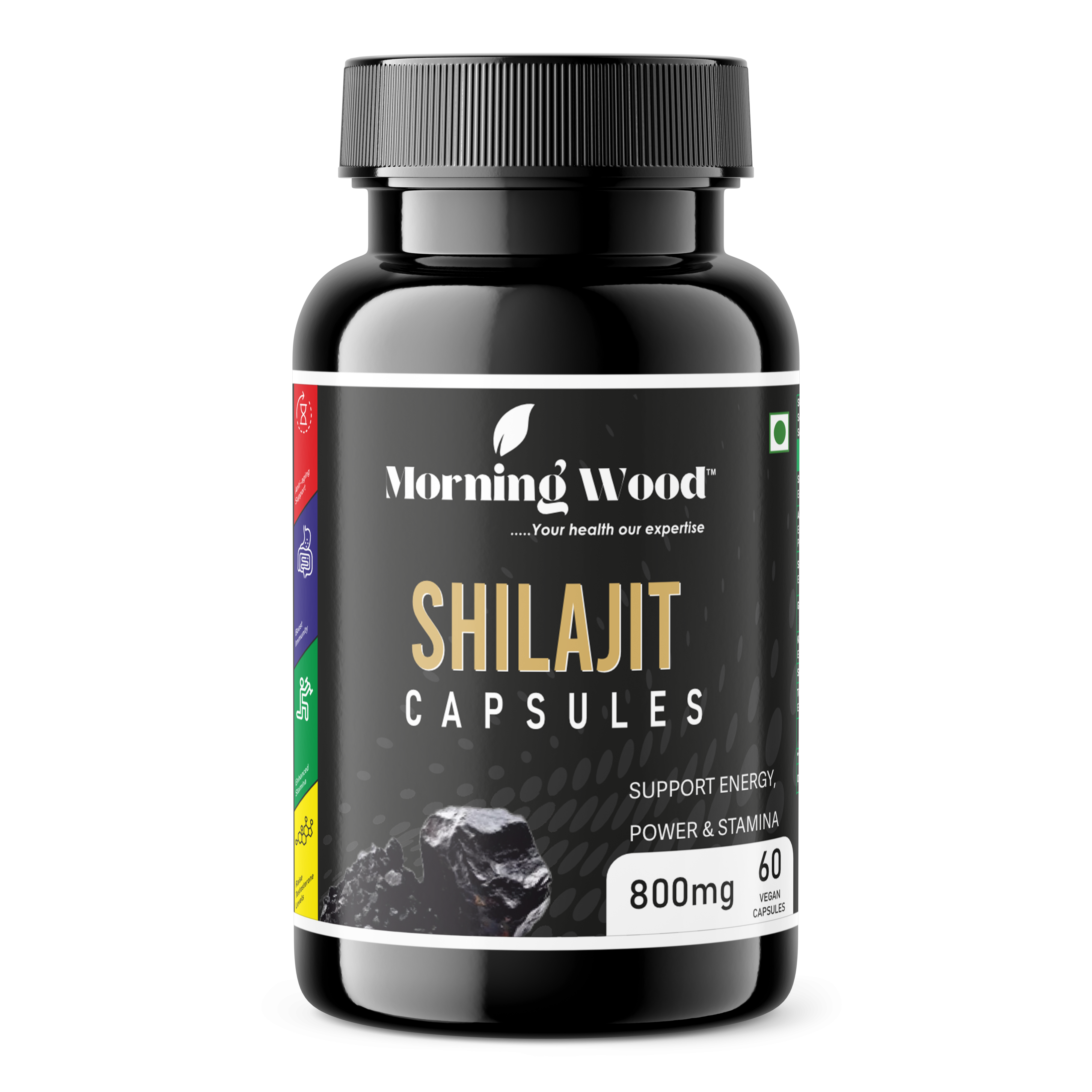
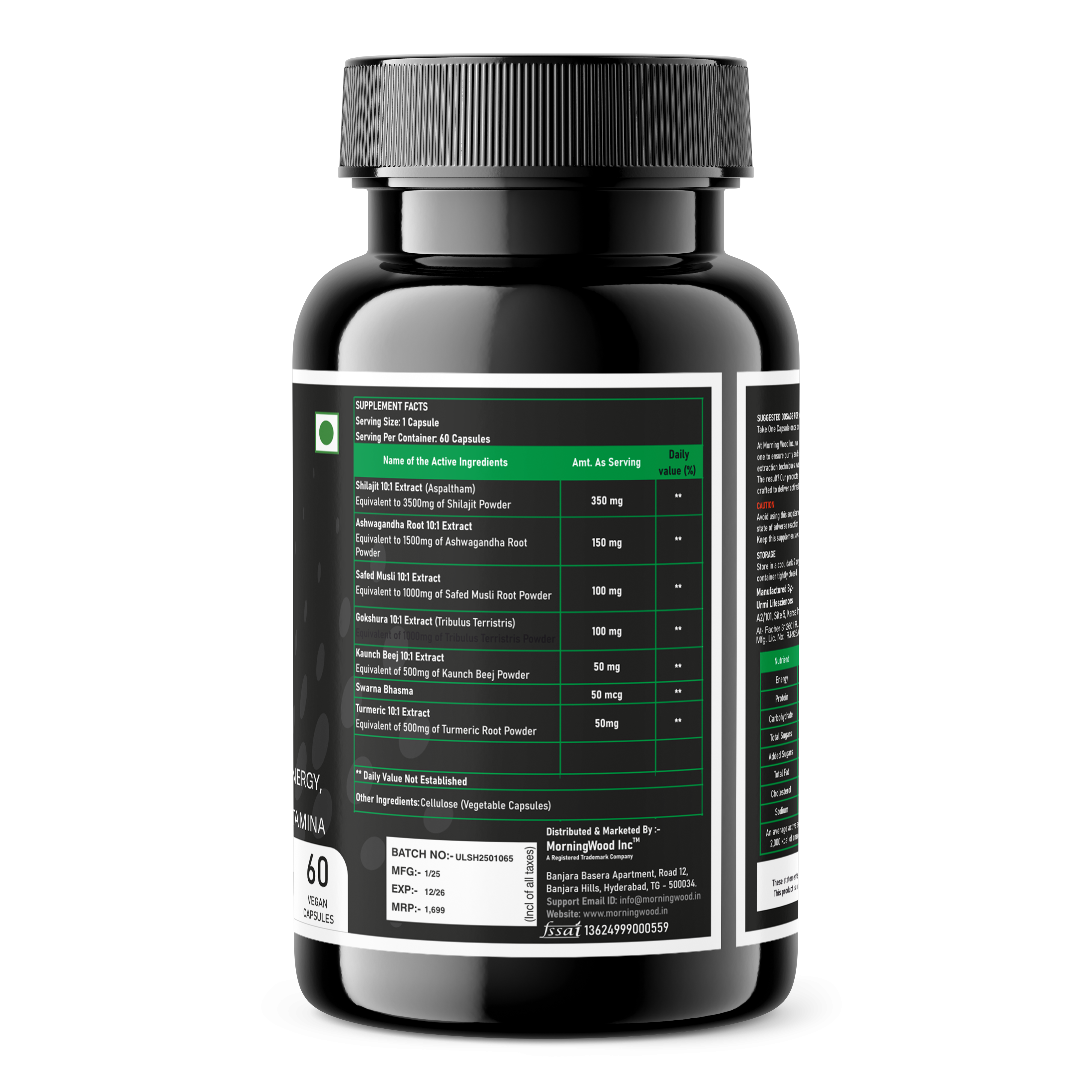
As you pursue your journey to becoming an Ayurvedic doctor, companies like Morning Wood exemplify the modern application of ancient wisdom. From Ashwagandha extracts to Shilajit formulations, digestive support, and specialized therapeutic supplements, quality Ayurvedic products represent the practical implementation of knowledge you'll master.
Future Ayurvedic doctors will recommend products, understand formulations, and potentially contribute to product development—making understanding quality manufacturers part of professional education.
Final Thoughts: A Noble and Rewarding Path
Learning how to become an ayurvedic doctor is just the beginning of a lifelong journey in healing and service. This path demands dedication, compassion, continuous learning, and patience, but offers the profound reward of healing through natural means while being part of an ancient tradition that's increasingly relevant in our modern world.
Whether you establish a thriving private practice, contribute to research validating ancient wisdom, teach future generations, or develop innovative Ayurvedic products, you'll be part of a global movement toward holistic, preventive, personalized healthcare.
If you're passionate about natural healing, fascinated by the mind-body-spirit connection, and committed to serving others' wellbeing, Ayurvedic medicine offers a deeply fulfilling career path. Begin your journey today—the world needs skilled, compassionate Ayurvedic physicians now more than ever.
Homeopathic and Ayurvedic Medicine: Key Differences, Benefits & Natural Wellness Solutions by Morning Wood
Weight Gain Tablets Ayurvedic: Best Natural Solutions for Healthy Weight Gain in India
Related Posts

Ayurvedic Weight Loss Capsules – Best Herbal Fat Burner Supplement in India | Morning Wood

Ayurvedic Tea Ingredients: A Complete Guide to Traditional Herbal Blends for Wellness

Managing Blood Sugar Naturally: The Ultimate Guide to Ayurvedic Sugar Tablets

Ayurvedic Sugar Tablet: A Natural Way to Support Blood Sugar Balance with Morningwood

Ayurvedic Multivitamin Syrup: Why India Is Switching to Herbal Nutrition

Ayurvedic Medicine to Reduce Belly Fat: A Holistic Approach That Delivers Results

Ayurvedic Medicine to Lose Belly Fat: Proven Herbs and Rituals for a Flatter Stomach
