





Side Effects of Ayurvedic Medicines on Liver: What You Need to Know
Ayurvedic medicine has gained tremendous popularity worldwide as a natural alternative to conventional treatments. While these ancient remedies offer numerous health benefits, it's crucial to understand that not all herbal medicines are entirely risk-free. The liver, being our body's primary detoxification organ, can be particularly vulnerable to certain ayurvedic compounds when used improperly. This comprehensive guide explores the potential side effects of ayurvedic medicines on liver health and how to use these supplements safely.
Understanding the Liver's Role in Processing Ayurvedic Medicines
The liver acts as your body's natural filter, processing everything you consume, including ayurvedic herbs and supplements. When you take any supplement, whether it's ashwagandha extract capsules or other herbal formulations, your liver metabolizes the active compounds. While this process is generally safe, certain factors can lead to liver stress or damage.
The concept of herb-induced liver injury, medically termed as hepatotoxicity, has been increasingly recognized in medical literature. Studies suggest that approximately 20% of drug-induced liver injury cases in some regions are attributed to herbal and dietary supplements, with ayurvedic medicines contributing to a portion of these cases.
Common Ayurvedic Ingredients That May Affect Liver Function
Heavy Metal Contamination
One of the most concerning issues with some ayurvedic preparations is the presence of heavy metals like lead, mercury, and arsenic. Traditional formulations called "Rasa Shastra" medicines intentionally contain purified metals, but contamination can also occur during manufacturing. These heavy metals can accumulate in liver tissue, causing oxidative stress and cellular damage over time.
Hepatotoxic Herbs
Certain ayurvedic herbs have been associated with liver toxicity when used inappropriately:
Kava Kava: Although not traditionally Indian, this herb used in some modern ayurvedic blends has been linked to severe hepatotoxicity. Several countries have restricted its use due to cases of liver failure requiring transplantation.
Germander: Used in weight management formulations, this herb contains toxic compounds that can cause acute hepatitis and liver cell death.
Greater Celandine: Sometimes included in digestive formulations, this herb can cause cholestatic hepatitis, a condition where bile flow from the liver is blocked.
High-dose Turmeric/Curcumin: While curcumin capsules offer anti-inflammatory benefits, extremely high doses taken without proper guidance may stress the liver in susceptible individuals.
Recognizing Signs of Liver Stress from Ayurvedic Medicines
Early detection of liver problems is crucial for preventing serious complications. Watch for these warning signs:
Digestive Symptoms: Unexplained nausea, loss of appetite, abdominal pain particularly in the upper right quadrant, and unusual fatigue can indicate liver stress.
Jaundice: Yellowing of the skin and eyes is a classic sign of liver dysfunction. This occurs when bilirubin accumulates in the body due to impaired liver function.
Dark Urine and Pale Stools: Changes in urine color (tea-colored) and stool appearance (clay-colored) suggest problems with bile production and processing.
Skin Changes: Itching without a rash, easy bruising, and spider veins on the skin may indicate compromised liver function.
If you experience any of these symptoms while taking ayurvedic supplements, discontinue use immediately and consult a healthcare provider. Blood tests checking liver enzymes (ALT, AST, ALP) and bilirubin levels can assess liver health.
Risk Factors That Increase Liver Vulnerability
Not everyone faces the same risk when taking ayurvedic medicines. Certain factors increase your susceptibility to liver damage:
Pre-existing Liver Conditions: If you have fatty liver disease, hepatitis, or cirrhosis, your liver has reduced capacity to process supplements. Consider using specialized liver detox capsules or liver care capsules formulated specifically for liver support under medical supervision.
Medication Interactions: Many conventional medications are metabolized by the same liver enzymes that process herbal compounds. Taking ayurvedic supplements alongside prescription drugs can overwhelm these pathways, leading to toxic accumulation.
Alcohol Consumption: Regular alcohol use already stresses the liver. Adding potentially hepatotoxic herbs creates a dangerous synergistic effect that dramatically increases liver injury risk.
Dosage and Duration: Taking higher-than-recommended doses or using supplements for extended periods without breaks can overwhelm the liver's detoxification capacity.
Genetic Factors: Variations in genes controlling liver enzymes affect how efficiently your body processes certain compounds. Some people metabolize herbs poorly, leading to toxic accumulation.
Safe Practices for Using Ayurvedic Supplements
The key to benefiting from ayurvedic medicine while protecting your liver lies in following evidence-based safety practices:
Choose Quality Products from Reputable Brands
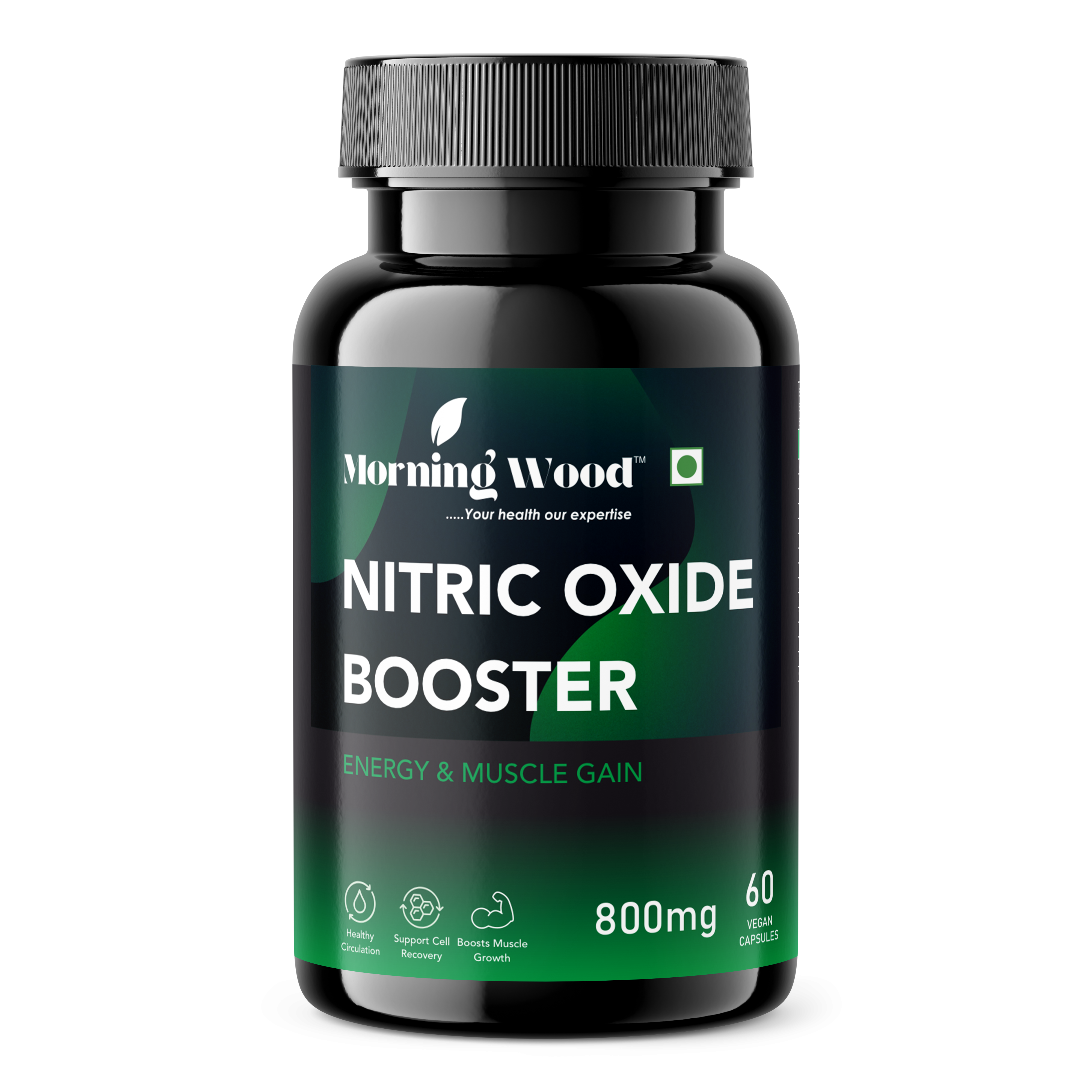
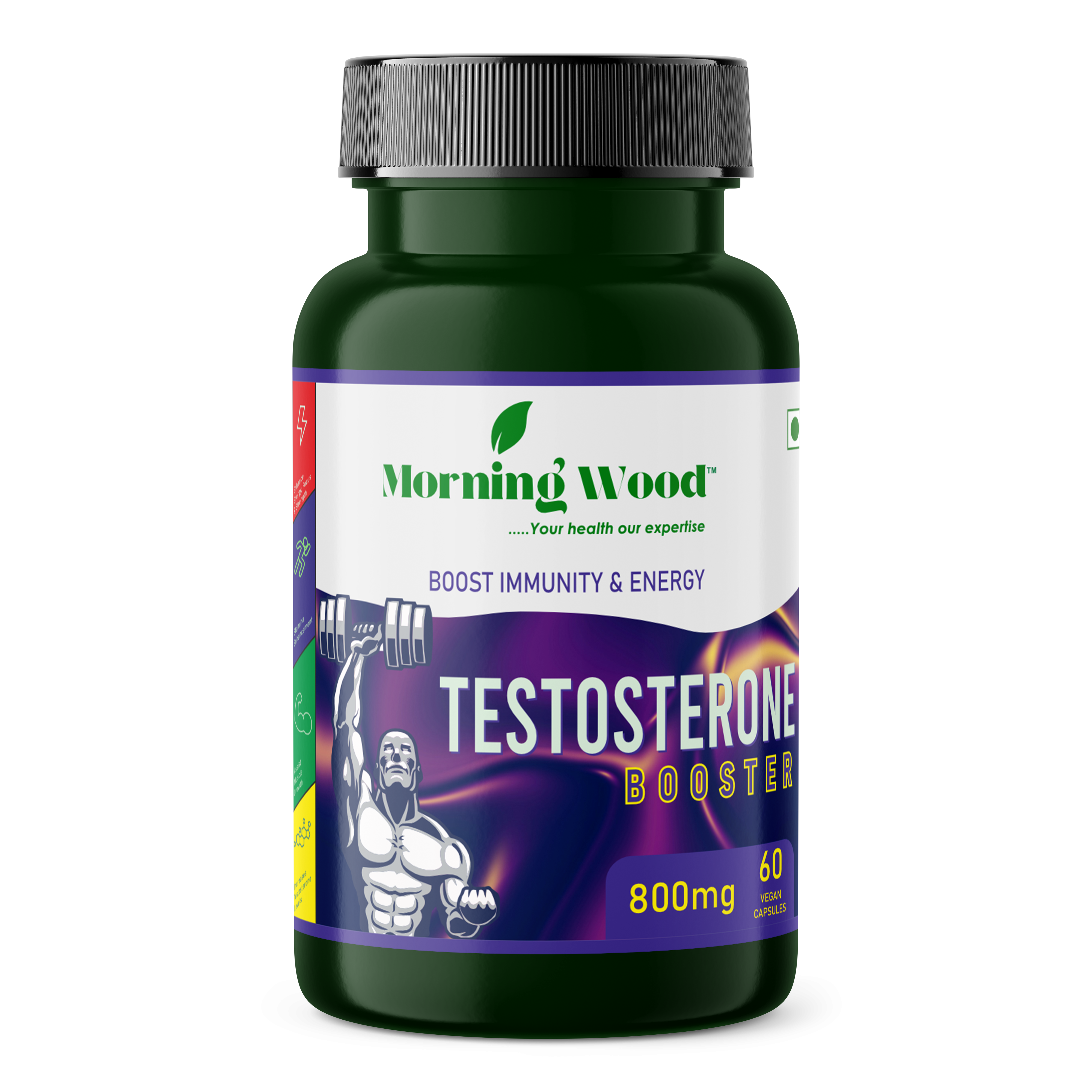
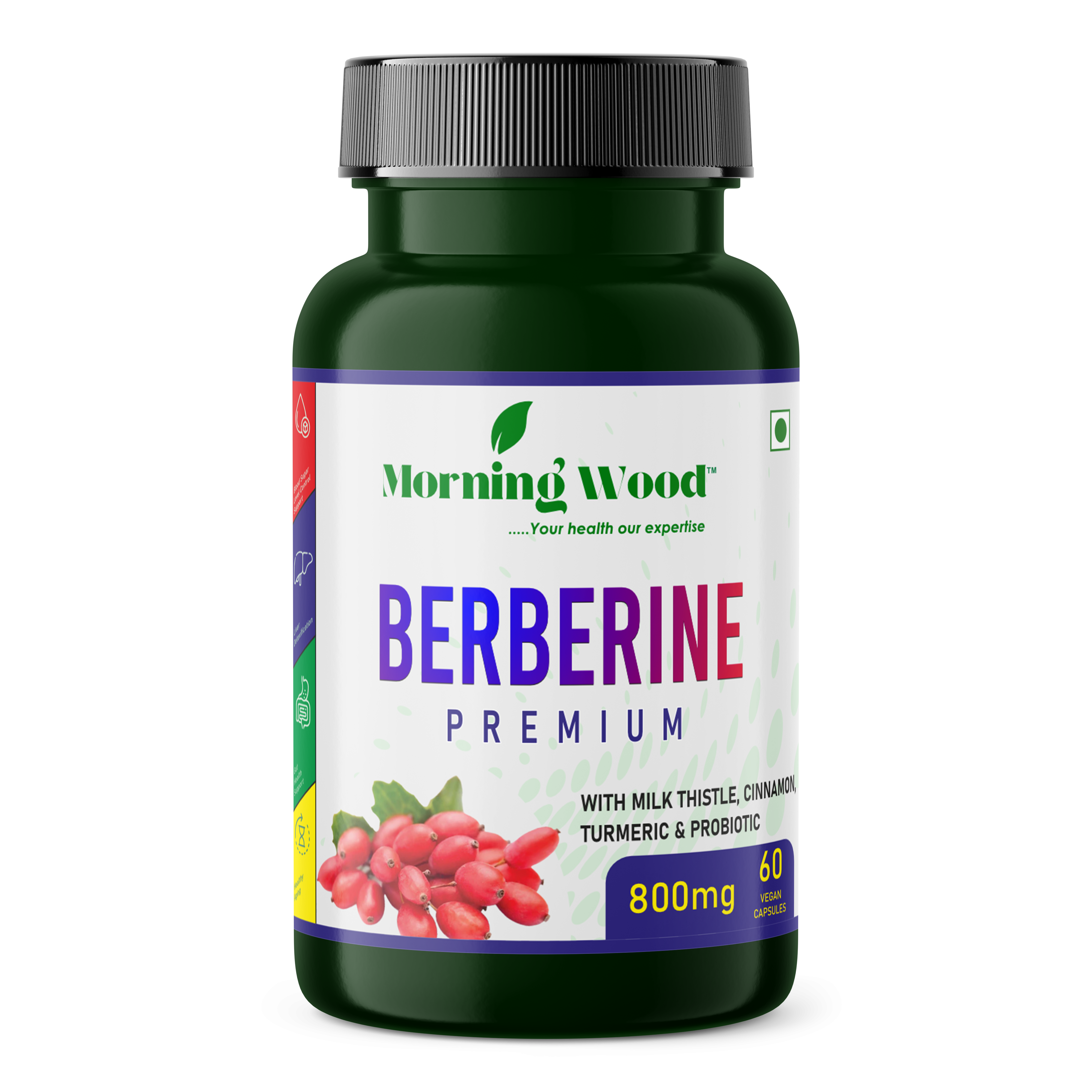
Always purchase ayurvedic supplements from established manufacturers who conduct third-party testing for heavy metals and contaminants. Morning Wood ensures all products, from berberine premium capsules to testosterone booster capsules, meet stringent quality standards and are manufactured in certified facilities.
Follow Recommended Dosages
More is not better when it comes to herbal supplements. Stick to manufacturer-recommended doses unless specifically advised otherwise by a qualified healthcare practitioner. Products like resveratrol capsules and quercetin capsules are formulated with optimal dosing for safety and efficacy.
Consult Healthcare Professionals
Before starting any ayurvedic regimen, especially if you take prescription medications or have existing health conditions, consult both your conventional doctor and a qualified ayurvedic practitioner. This is particularly important for supplements that affect hormones or metabolism, such as maca root premium capsules or tongkat ali extract capsules.
Monitor Your Liver Health
If you're taking ayurvedic supplements long-term, periodic liver function tests (every 3-6 months) can detect problems early. This is especially important when using multiple supplements simultaneously.
Take Supplement Breaks
Give your liver periodic rest by cycling supplements. Consider taking breaks every 8-12 weeks to allow your liver to fully recover and reset its detoxification pathways.
Supporting Liver Health While Taking Ayurvedic Medicines
You can actively support your liver's health and enhance its ability to safely process ayurvedic supplements:
Milk Thistle and Hepatoprotective Herbs: Silymarin from milk thistle has extensive research supporting its liver-protective properties. Morning Wood's liver detox capsules with milk thistle combine traditional and evidence-based ingredients specifically formulated to support healthy liver function.
Antioxidant Support: Oxidative stress contributes significantly to liver damage. Supplements like green tea capsules provide powerful antioxidants that protect liver cells from free radical damage.
Adequate Hydration: Drinking sufficient water (8-10 glasses daily) helps your liver flush toxins efficiently and supports optimal metabolic function.
Balanced Nutrition: A diet rich in cruciferous vegetables (broccoli, cauliflower), leafy greens, and lean proteins provides nutrients essential for liver detoxification pathways. Consider supplementing with multivitamin capsules to ensure adequate micronutrient status.
Limit Liver Stressors: Minimize alcohol consumption, avoid unnecessary medications, and reduce exposure to environmental toxins to decrease your liver's workload.
When Ayurvedic Medicine Benefits the Liver
Despite potential risks, many ayurvedic herbs actually support liver health when used appropriately:
Turmeric/Curcumin: At appropriate doses, curcumin capsules demonstrate hepatoprotective effects, reducing inflammation and supporting liver regeneration.
Amla (Indian Gooseberry): This vitamin C-rich fruit shows promise in protecting against fatty liver disease and supporting liver detoxification. Amla juice provides these benefits in a readily absorbed form.
Kutki and Punarnava: These traditional ayurvedic herbs, often included in liver-specific formulations, have demonstrated hepatoprotective properties in research studies.
Omega-3 Fatty Acids: While not exclusively ayurvedic, omega-3 capsules and omega 369 capsules reduce liver inflammation and may help prevent non-alcoholic fatty liver disease progression.
The Bottom Line: Balance and Awareness
Ayurvedic medicine offers valuable health benefits rooted in thousands of years of traditional wisdom, now increasingly supported by modern scientific research. However, like any therapeutic intervention, these remedies must be used with awareness and respect for their potency.
The potential side effects of ayurvedic medicines on liver health are real but largely preventable through informed choices. By selecting high-quality products from trusted manufacturers like Morning Wood, following recommended dosages, monitoring your health, and maintaining open communication with healthcare providers, you can safely incorporate ayurvedic supplements into your wellness routine.
Remember that individual responses vary significantly. What works safely for one person may cause problems for another due to genetic differences, underlying health conditions, or medication interactions. Listen to your body, stay informed, and prioritize quality and safety over cost or convenience.
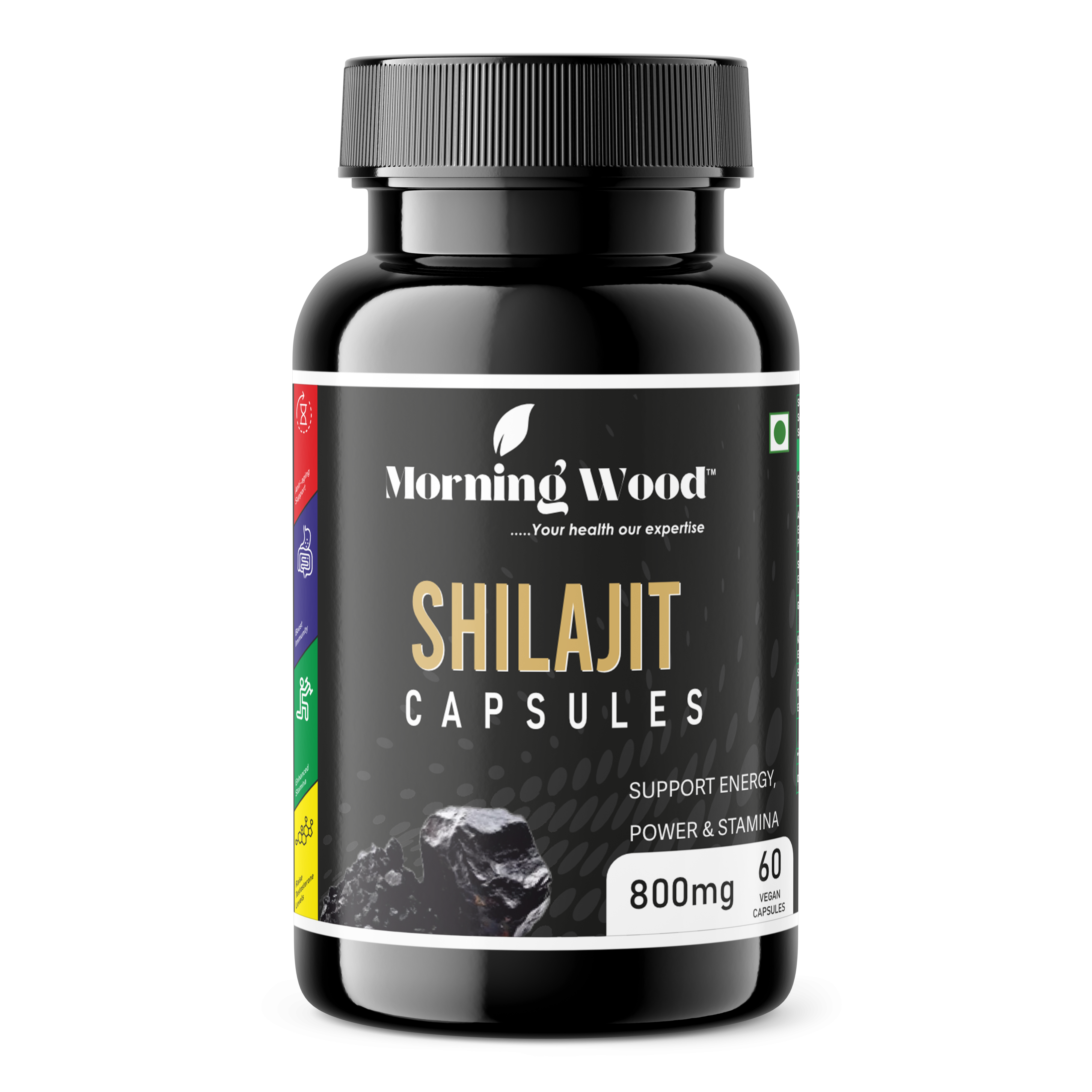
Whether you're exploring shilajit capsules for energy, ashwagandha for stress management, or specialized formulations for specific health goals, approaching ayurvedic medicine with knowledge and caution ensures you reap the benefits while protecting your liver—the body's essential detoxification powerhouse.
Best Ayurvedic Medicine for Skin Fungal Infection
Top Ayurvedic Company in India: Morning Wood's Journey to Natural Wellness Excellence
Related Posts

Ayurvedic Weight Loss Capsules – Best Herbal Fat Burner Supplement in India | Morning Wood

Ayurvedic Tea Ingredients: A Complete Guide to Traditional Herbal Blends for Wellness

Managing Blood Sugar Naturally: The Ultimate Guide to Ayurvedic Sugar Tablets

Ayurvedic Sugar Tablet: A Natural Way to Support Blood Sugar Balance with Morningwood

Ayurvedic Multivitamin Syrup: Why India Is Switching to Herbal Nutrition

Ayurvedic Medicine to Reduce Belly Fat: A Holistic Approach That Delivers Results

Ayurvedic Medicine to Lose Belly Fat: Proven Herbs and Rituals for a Flatter Stomach
