





How Long Does Ashwagandha Take to Work for Anxiety? A Complete Evidence-Based Guide
Understanding Ashwagandha's Timeline for Anxiety Relief
If you're struggling with anxiety and considering natural remedies, you've likely heard about ashwagandha's calming properties. But the most common question remains: how long does ashwagandha take to work for anxiety?
The short answer is that most people begin experiencing noticeable anxiety relief within 2-4 weeks of consistent use, with optimal results appearing around 8-12 weeks. However, the timeline varies based on several factors we'll explore in depth.
What Makes Ashwagandha Effective for Anxiety?
Ashwagandha (Withania somnifera), also known as Indian ginseng or winter cherry, is an adaptogenic herb used in Ayurvedic medicine for over 3,000 years. Its anxiety-reducing properties stem from bioactive compounds called withanolides, which help regulate your body's stress response system.
The Science Behind Ashwagandha's Anti-Anxiety Effects
When you consume ashwagandha, several mechanisms work together to reduce anxiety:
Cortisol Regulation: Ashwagandha helps normalize cortisol levels, your primary stress hormone. Elevated cortisol contributes significantly to anxiety symptoms, and studies show ashwagandha can reduce cortisol by up to 30%.
GABA Enhancement: The herb supports gamma-aminobutyric acid (GABA) activity in your brain. GABA is an inhibitory neurotransmitter that promotes calmness and reduces neural excitability.
Nervous System Support: Ashwagandha strengthens your hypothalamic-pituitary-adrenal (HPA) axis, which controls your stress response and helps your body adapt to stressors more effectively.
Inflammation Reduction: Chronic inflammation is linked to anxiety disorders. Ashwagandha's anti-inflammatory properties may help reduce anxiety symptoms associated with inflammatory processes.
Detailed Timeline: When to Expect Anxiety Relief
Understanding the progression of ashwagandha's effects helps set realistic expectations for your anxiety management journey.
Week 1-2: Initial Adaptation Phase
During the first two weeks, your body begins adapting to ashwagandha. While some individuals report subtle improvements in sleep quality and slight reductions in nervous tension, most people won't experience dramatic changes yet.
What you might notice:
-
Slightly improved sleep onset
-
Minor reduction in physical tension
-
Better stress tolerance in mild situations
-
Increased energy without jitteriness
Week 3-4: Noticeable Improvements Begin
This is when many people start recognizing meaningful changes. Research indicates that approximately 60% of users report noticeable anxiety reduction during this period.
Common experiences include:
-
Reduced frequency of anxious thoughts
-
Better emotional regulation during stressful events
-
Improved ability to relax in the evening
-
Decreased physical anxiety symptoms like muscle tension
-
Enhanced mental clarity and focus
Week 6-8: Substantial Benefits Emerge
By six weeks, ashwagandha's adaptogenic effects become well-established. Clinical studies consistently show significant anxiety improvements at this point.
Expected benefits:
-
Marked reduction in generalized anxiety symptoms
-
Improved resilience to daily stressors
-
Better mood stability throughout the day
-
Enhanced quality of life measures
-
Reduced reliance on situational anxiety triggers
Week 12+: Maximum Therapeutic Effect
After three months of consistent use, ashwagandha reaches its peak effectiveness for anxiety management. Long-term studies demonstrate sustained benefits without tolerance development.
Long-term outcomes:
-
Optimal anxiety symptom control
-
Stable mood and emotional balance
-
Sustained stress resilience
-
Improved overall mental wellbeing
-
Better sleep architecture and quality
Factors That Influence How Quickly Ashwagandha Works
Several variables affect your individual response timeline to ashwagandha supplementation.
Dosage and Concentration
The amount and quality of ashwagandha you take significantly impacts results. Clinical studies typically use 300-600mg of standardized extract daily, containing at least 5% withanolides.
Dosage considerations:
-
Lower doses (300mg): May take longer to show effects but work well for mild anxiety
-
Standard doses (500-600mg): Optimal for most people with moderate anxiety
-
Higher doses (up to 1000mg): Sometimes used under professional guidance for severe anxiety
At Morningwood, our ashwagandha extract capsules contain premium standardized extract formulated for optimal absorption and effectiveness.
Individual Biochemistry
Your unique physiology plays a crucial role in ashwagandha response time. Factors include:
-
Metabolic rate: Faster metabolism may process ashwagandha more quickly
-
Body weight: Larger individuals might need slightly higher doses
-
Genetics: Variations in stress hormone receptors affect response
-
Current stress levels: People with severe chronic stress may need longer
-
Overall health status: Gut health and liver function impact absorption
Severity of Anxiety Symptoms
Your baseline anxiety level influences how quickly you'll notice improvements:
-
Mild anxiety: Results often appear within 2-3 weeks
-
Moderate anxiety: Typically 4-6 weeks for significant relief
-
Severe anxiety: May require 8-12 weeks for substantial benefits
Consistency of Use
Regular daily supplementation is crucial. Skipping doses or inconsistent timing can delay results significantly. Ashwagandha works by gradually rebalancing your stress response system, which requires consistent levels in your body.
Quality of the Supplement
Not all ashwagandha supplements are created equal. The extraction method, standardization, and purity dramatically affect bioavailability and effectiveness.
Quality indicators include:
-
Standardized withanolide content (preferably 5% or higher)
-
Third-party testing for purity
-
Proper extraction methods (typically root extract)
-
Absence of fillers and additives
-
Reputable manufacturing standards
Lifestyle Factors
Your daily habits either support or hinder ashwagandha's effectiveness:
Supportive factors:
-
Regular sleep schedule
-
Balanced nutrition
-
Regular physical activity
-
Stress management practices
-
Limited alcohol and caffeine
Hindering factors:
-
Chronic sleep deprivation
-
Poor dietary choices
-
Sedentary lifestyle
-
Ongoing high-stress situations
-
Excessive stimulant use
Optimizing Your Ashwagandha Results for Anxiety
To maximize ashwagandha's anxiety-relieving benefits and potentially speed up results, implement these evidence-based strategies.
Take It at the Right Time
For anxiety management: Most experts recommend taking ashwagandha in the evening or before bed. This timing aligns with cortisol's natural rhythm and supports better sleep, which improves anxiety symptoms.
Alternative approach: Some people prefer splitting doses (morning and evening) for sustained anxiety coverage throughout the day.
For more guidance on supplement timing, check out our article on when to take omega-3 supplements for comprehensive nutrient timing strategies.
Combine with Complementary Practices
Ashwagandha works synergistically with other anxiety management approaches:
Mindfulness and meditation: Regular practice enhances ashwagandha's calming effects and may accelerate results. Even 10 minutes daily can make a significant difference.
Regular exercise: Physical activity naturally reduces anxiety and complements ashwagandha's stress-reducing properties. Aim for 30 minutes of moderate activity most days.
Quality sleep hygiene: Prioritize 7-9 hours of sleep nightly. Ashwagandha improves sleep quality, which further reduces anxiety symptoms.
Balanced nutrition: Support your nervous system with whole foods, adequate protein, and essential nutrients. Consider exploring our best multivitamin capsules to ensure comprehensive nutritional support.
Consider Supportive Supplements
Certain supplements work synergistically with ashwagandha for anxiety management:
L-Glutathione: This powerful antioxidant supports brain health and stress resilience. Our L-Glutathione capsules 800mg provide premium support for cellular health.
Curcumin: The anti-inflammatory properties of curcumin complement ashwagandha's anxiety-reducing effects. Learn more about premium curcumin capsules and their benefits.
Lion's Mane Mushroom: Supports cognitive function and mood regulation. Explore our Lion's Mane mushroom capsules for brain health for cognitive support.
Monitor Your Progress
Keep a simple journal tracking:
-
Daily anxiety levels (1-10 scale)
-
Sleep quality
-
Stress triggers and responses
-
Physical symptoms (tension, fatigue)
-
Overall mood and wellbeing
This helps you recognize subtle improvements that might otherwise go unnoticed and allows you to adjust your approach if needed.
What Clinical Research Says About Ashwagandha for Anxiety
Multiple high-quality studies have examined ashwagandha's effectiveness for anxiety, providing robust evidence for its benefits.
Key Research Findings
A comprehensive systematic review analyzing multiple randomized controlled trials found that ashwagandha significantly reduced anxiety scores compared to placebo, with most studies showing results within 6-8 weeks.
One notable double-blind study involving participants with chronic stress found that 300mg of ashwagandha extract twice daily resulted in substantial reductions in anxiety symptoms after 60 days. Participants reported feeling calmer, more focused, and better able to handle daily stressors.
Research on stress biomarkers demonstrates that ashwagandha users experience measurable decreases in cortisol levels, typically observed within 4-6 weeks of consistent supplementation. This biological change correlates strongly with subjective anxiety improvements.
Safety Profile
Clinical studies consistently demonstrate ashwagandha's excellent safety profile. Adverse effects are rare and typically mild when they occur, including occasional digestive discomfort during the initial adaptation period.
Long-term studies extending 12-24 weeks show sustained benefits without tolerance development, meaning ashwagandha continues working effectively over time without requiring increased doses.
Common Questions About Ashwagandha Timing
Can I take ashwagandha with other anxiety medications?
While ashwagandha is generally safe, it may interact with certain medications. Always consult your healthcare provider before combining ashwagandha with prescription anxiety medications, sedatives, or thyroid medications. Many people successfully use ashwagandha alongside therapy and lifestyle modifications under professional guidance.
Will I feel immediate effects like anti-anxiety medications?
Unlike benzodiazepines or other fast-acting anxiety medications, ashwagandha doesn't provide immediate relief. It works gradually by addressing root causes of anxiety rather than just symptoms. This means sustainable, long-term results without the dependency risks associated with many pharmaceutical options.
How do I know if ashwagandha is working?
Look for gradual improvements rather than dramatic overnight changes. Signs include reduced frequency of anxious thoughts, better stress tolerance, improved sleep, decreased physical tension, and overall enhanced wellbeing. If you don't notice any changes after 8-12 weeks of consistent use at appropriate dosages, consult with a healthcare professional.
Can I stop taking ashwagandha once my anxiety improves?
Ashwagandha doesn't cause dependency, so you can discontinue use without withdrawal symptoms. However, many people find that ongoing supplementation provides sustained benefits. Some prefer taking it during particularly stressful periods, while others maintain daily use for continuous support.
Integrating Ashwagandha into a Comprehensive Anxiety Management Plan
While ashwagandha offers significant benefits for anxiety, the best results come from a holistic approach that addresses multiple aspects of mental health.
Building Your Anxiety Management Foundation
Professional support: Consider working with a therapist trained in cognitive-behavioral therapy or other evidence-based approaches for anxiety. Ashwagandha complements but doesn't replace professional mental health care.
Stress reduction techniques: Incorporate proven stress management practices like deep breathing exercises, progressive muscle relaxation, or yoga. These practices enhance ashwagandha's effectiveness.
Social connection: Maintain meaningful relationships and social support networks. Isolation worsens anxiety, while strong social bonds provide natural stress relief.
Purpose and meaning: Engage in activities that provide fulfillment and purpose. Meaningful work, hobbies, and volunteer activities contribute significantly to anxiety reduction.
Nutritional Support for Anxiety Management
Beyond ashwagandha, certain nutrients support anxiety reduction:
Omega-3 fatty acids: Essential for brain health and mood regulation. Consider our omega-3 capsules 1000mg for comprehensive brain support.
Magnesium: This essential mineral supports nervous system function and stress response. Many people with anxiety have suboptimal magnesium levels.
B-complex vitamins: Critical for neurotransmitter production and stress hormone regulation. Our comprehensive multivitamin includes optimal B-vitamin levels.
Herbal support: Consider complementary herbs like chamomile, passionflower, or valerian root, which work through different mechanisms than ashwagandha.
For those interested in Ayurvedic approaches to overall wellness, explore our guide on Ayurvedic medicine for sleep, as quality rest profoundly impacts anxiety levels.
When to Seek Professional Help
While ashwagandha can be highly effective for anxiety management, certain situations warrant professional medical attention:
-
Anxiety symptoms that significantly impair daily functioning
-
Panic attacks or severe anxiety episodes
-
Anxiety accompanied by depression or suicidal thoughts
-
Physical symptoms that might indicate medical conditions
-
No improvement after 12 weeks of comprehensive self-management
-
Worsening symptoms despite interventions
Mental health professionals can provide accurate diagnosis, comprehensive treatment plans, and monitor your progress effectively.
Choosing Quality Ashwagandha Supplements
The supplement industry varies widely in quality, making informed selection crucial for optimal results.
What to Look for in Ashwagandha Supplements
Standardization: Choose supplements standardized to contain at least 5% withanolides, the active compounds responsible for ashwagandha's benefits.
Root extract: Traditional use and most research focus on root extract rather than leaf preparations.
Third-party testing: Look for supplements verified by independent laboratories for purity and potency.
Appropriate dosage: Products should provide 300-600mg of standardized extract per serving.
Clean formulation: Avoid unnecessary fillers, artificial ingredients, or proprietary blends that hide actual ashwagandha content.
Reputable manufacturer: Choose companies with strong quality control practices and transparent sourcing.
At Morningwood, we prioritize these quality standards across our entire product line. Our premium ashwagandha extract capsules deliver consistent, reliable results backed by rigorous quality testing.
Sustainable Anxiety Management: A Long-Term Perspective
Addressing anxiety effectively requires patience and a comprehensive approach. Ashwagandha represents one powerful tool in a broader wellness strategy.
Creating Lasting Change
Consistency over intensity: Regular daily practices produce better results than sporadic intense efforts. Small consistent actions compound over time.
Progress not perfection: Anxiety management involves ups and downs. Focus on overall trends rather than daily fluctuations.
Adaptability: Be willing to adjust your approach based on what works for your unique situation. What helps during one life phase might need modification later.
Prevention focus: Once you've improved your anxiety symptoms, maintain supportive practices to prevent recurrence rather than waiting for symptoms to return.
The Morningwood Approach to Holistic Wellness
At Morningwood, we believe in supporting your complete wellness journey with premium, science-backed supplements. Beyond ashwagandha, explore our comprehensive range designed to support various aspects of health:
-
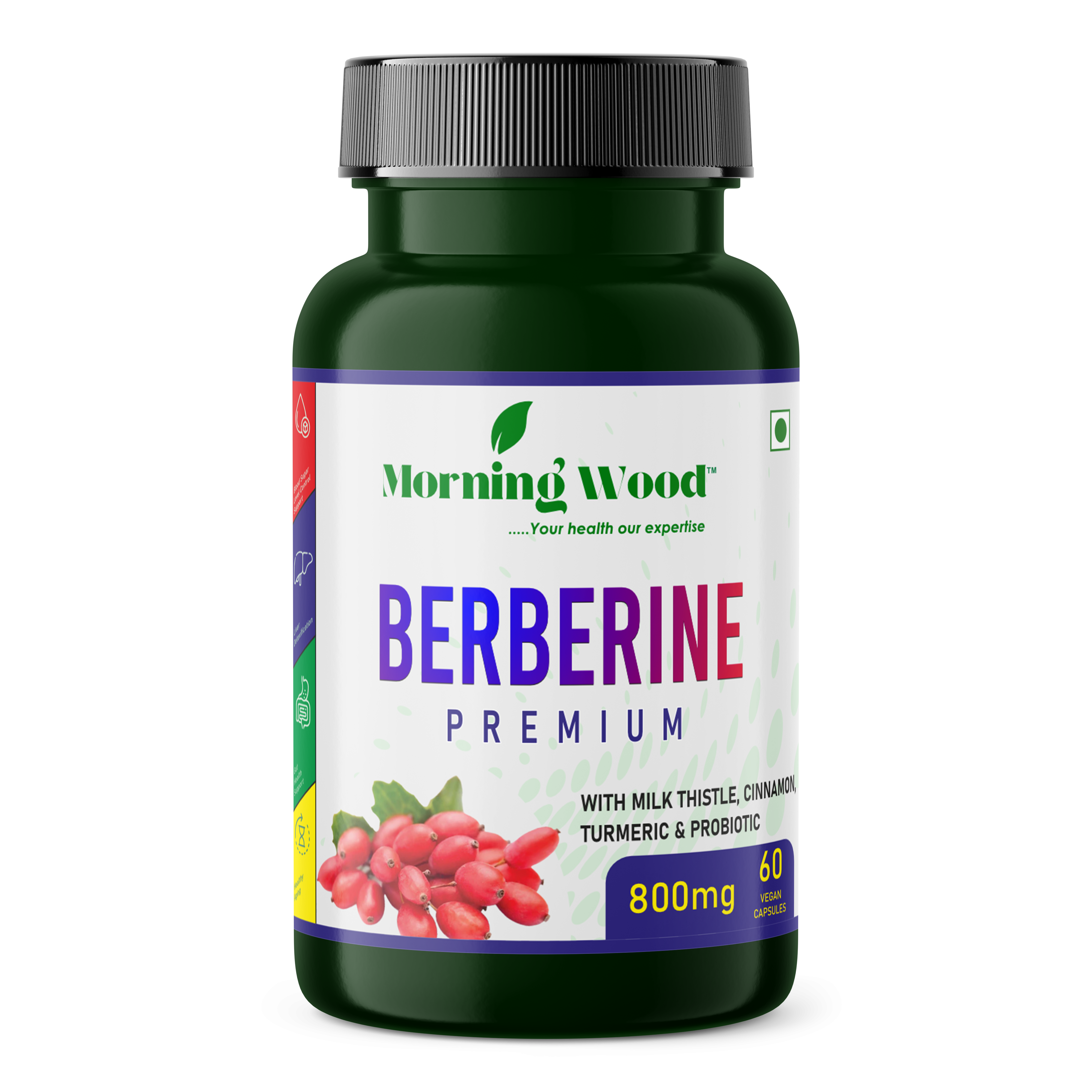
Berberine premium capsules for metabolic health
-
Liver detox capsules with milk thistle for natural cleansing support
-
Resveratrol capsules 500mg for powerful antioxidant protection
-
Maca root premium capsules for energy and hormonal balance
For those interested in natural approaches to overall wellbeing, our blog offers extensive resources, including guides on Ayurvedic heart medicine and anti-aging Ayurvedic medicine.
Conclusion: Your Ashwagandha Journey for Anxiety Relief
Understanding that ashwagandha typically takes 2-4 weeks for initial benefits and 8-12 weeks for optimal anxiety relief helps set realistic expectations. This timeline allows your body to adapt and rebalance its stress response systems naturally.
Remember that individual responses vary based on dosage, supplement quality, anxiety severity, lifestyle factors, and consistency of use. Supporting your ashwagandha supplementation with healthy sleep habits, regular exercise, stress management techniques, and proper nutrition accelerates and enhances results.
Ashwagandha offers a safe, effective, evidence-based approach to anxiety management without the dependency risks of many pharmaceutical options. Its adaptogenic properties support your body's natural ability to handle stress while promoting overall wellbeing.
If you're ready to experience ashwagandha's anxiety-relieving benefits, start with a high-quality supplement like Morningwood's premium ashwagandha extract capsules. Give your body the full 8-12 weeks to experience optimal benefits, and consider integrating complementary wellness practices for comprehensive anxiety management.
Your journey to calmer, more balanced living starts with consistent action. Ashwagandha can be the natural solution you've been seeking for sustainable anxiety relief.
How to Make Green Tea Shots: The Ultimate Guide to This Popular Party Drink
Ashwagandha vs Shilajit: Complete Comparison Guide 2025 | Morningwood
Related Posts

Ayurvedic Weight Loss Capsules – Best Herbal Fat Burner Supplement in India | Morning Wood

Ayurvedic Tea Ingredients: A Complete Guide to Traditional Herbal Blends for Wellness

Managing Blood Sugar Naturally: The Ultimate Guide to Ayurvedic Sugar Tablets

Ayurvedic Sugar Tablet: A Natural Way to Support Blood Sugar Balance with Morningwood

Ayurvedic Multivitamin Syrup: Why India Is Switching to Herbal Nutrition

Ayurvedic Medicine to Reduce Belly Fat: A Holistic Approach That Delivers Results

Ayurvedic Medicine to Lose Belly Fat: Proven Herbs and Rituals for a Flatter Stomach
