








Buy Ayurvedic Medicine for Diabetes Care: Natural Blood Sugar Support | Morning Wood
Ayurveda offers a comprehensive, time-tested approach to diabetes management (known as "Prameha" and "Madhumeha") that combines powerful herbs, dietary wisdom, lifestyle modifications, and holistic protocols to help manage blood sugar levels naturally while supporting overall metabolic health.
CRITICAL DISCLAIMER: Diabetes is a serious medical condition requiring professional medical supervision. This article discusses complementary Ayurvedic approaches that may support diabetes management alongside—not instead of—conventional medical care. Never discontinue prescribed medications, skip medical appointments, or ignore your doctor's advice. Always consult your healthcare provider before beginning any new supplement regimen, and monitor blood sugar levels regularly. Ayurvedic support works best as part of comprehensive diabetes care under medical supervision.
Understanding Diabetes Through Ayurvedic Perspective
In Ayurvedic medicine, diabetes is classified as "Prameha" (urinary disorders) with "Madhumeha" specifically referring to diabetes mellitus (sweet urine).
Ayurvedic Classification of Diabetes
Ancient texts describe 20 types of Prameha based on dosha involvement and urine characteristics. The two most clinically relevant categories are:
1. Apathyanimittaja Prameha (Lifestyle-Induced): Results from poor diet, sedentary lifestyle, obesity, and stress—corresponding to Type 2 Diabetes (90-95% of cases). This type is considered more manageable through lifestyle and herbal interventions.
2. Sahaja/Beeja Dosha Prameha (Genetic/Constitutional): Inherited predisposition present from birth—corresponding to Type 1 Diabetes and some cases of Type 2 with strong genetic factors. Requires more intensive management.
Root Causes in Ayurvedic Understanding
1. Kapha Imbalance (Primary in Type 2):
- Excess Kapha creates heaviness, sluggishness, obesity
- Impairs metabolism and insulin function
- Accumulates in pancreas, affecting insulin secretion
- Creates insulin resistance in tissues
2. Pitta Involvement:
- Excess Pitta affects pancreatic function
- Creates inflammation damaging insulin-producing cells
- Involved in diabetic complications (inflammatory damage)
3. Vata Disturbance (Advanced Stages):
- Leads to complications affecting nerves, circulation, kidneys
- Creates instability in blood sugar levels
- Associated with wasting and tissue degeneration
4. Ama (Toxin) Accumulation:
- Poor digestion creates metabolic toxins
- Ama blocks cellular insulin receptors (insulin resistance)
- Impairs glucose metabolism
- Coats and weakens organs
5. Weakened Agni (Digestive/Metabolic Fire):
- Compromised metabolism cannot process nutrients properly
- Results in hyperglycemia and metabolic dysfunction
- Creates tissue resistance to insulin
6. Ojas Depletion:
- Loss of vital essence weakens immunity and metabolic function
- Increases susceptibility to diabetic complications
- Reduces healing capacity
Contributing Factors
Dietary:
- Excessive sweet, sour, salty tastes
- Heavy, oily, processed foods
- Refined carbohydrates and sugars
- Overeating and irregular meal timing
- Inadequate fiber and nutrient-poor diet
Lifestyle:
- Sedentary habits (primary factor)
- Excessive sleep, especially daytime
- Lack of physical activity
- Obesity and excess body weight
- Chronic stress
Genetic:
- Family history of diabetes
- Constitutional predisposition (Kapha-dominant constitution)
- Inherited metabolic patterns
Powerful Ayurvedic Herbs for Diabetes Care
When you buy ayurvedic medicine for diabetes care, look for these evidence-based herbs:
Berberine: The Blood Sugar Balancer
Berberine, extracted from several plants including Daruharidra (Berberis aristata), represents one of the most clinically validated herbs for diabetes:
Blood Sugar Benefits:
- Lowers Fasting Blood Glucose: Comparable to metformin in clinical studies
- Improves Insulin Sensitivity: Activates AMPK enzyme (metabolic master switch)
- Reduces HbA1c: Long-term blood sugar marker
- Lowers Cholesterol and Triglycerides: Common diabetes complications
- Supports Weight Loss: Helps address obesity component
- Protects Pancreatic Beta Cells: Preserves insulin-producing capacity
Research: Multiple studies show 500mg berberine 2-3 times daily reduces fasting blood sugar by 20-25%, comparable to pharmaceutical medications.
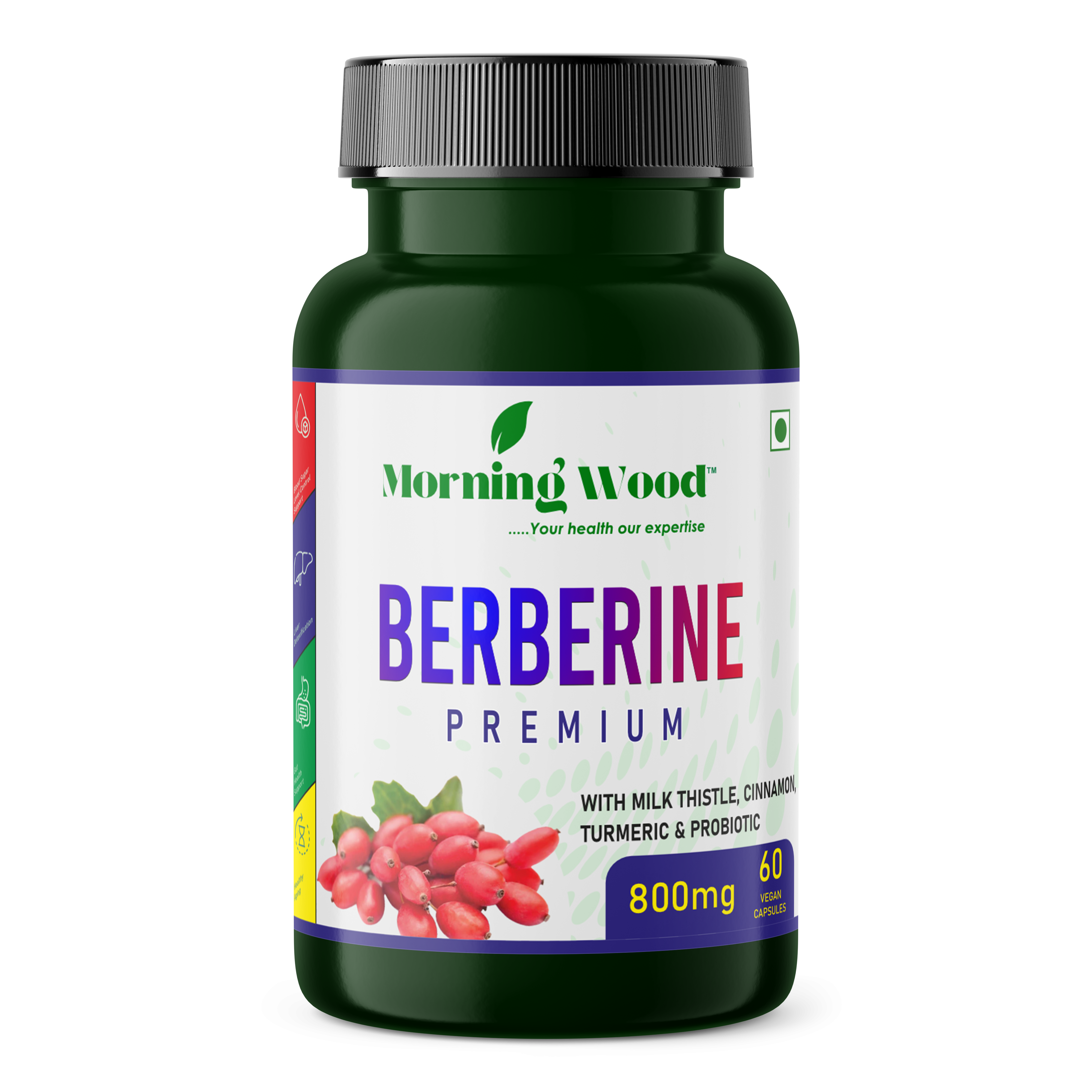
Berberine premium capsules provide concentrated, standardized extracts for effective blood sugar management.
Gymnema Sylvestre (Gudmar): The Sugar Destroyer
Gymnema's Hindi name "Gudmar" literally means "sugar destroyer," reflecting its remarkable properties:
Diabetes Benefits:
- Reduces Sugar Absorption: Blocks sugar absorption in intestines
- Decreases Sugar Cravings: Blocks sweet taste receptors
- Regenerates Pancreatic Cells: May help restore insulin production
- Lowers Blood Sugar: Reduces both fasting and post-meal glucose
- Improves Insulin Function: Enhances insulin secretion and action
Unique Property: Chewing Gymnema leaves temporarily blocks ability to taste sweetness, helping break sugar addiction.
Bitter Melon (Karela): Natural Insulin
Bitter melon contains compounds that mimic insulin action:
Mechanisms:
- Insulin-Like Effect: Charantin and polypeptide-p act similar to insulin
- Increases Glucose Uptake: Helps cells absorb glucose from blood
- Improves Glucose Tolerance: Better blood sugar response after meals
- Protects Pancreatic Cells: Antioxidant protection for insulin-producing cells
Often included in comprehensive diabetes formulations and diabetic care juice.
Fenugreek (Methi): Fiber and Blood Sugar Control
Fenugreek seeds provide soluble fiber that slows sugar absorption:
Benefits:
- Slows Carbohydrate Absorption: Soluble fiber creates gel in intestines
- Improves Insulin Sensitivity: Enhances cellular glucose uptake
- Lowers Cholesterol: Addresses cardiovascular risks
- Reduces Post-Meal Spikes: Moderates blood sugar after eating
- Anti-Inflammatory: Reduces diabetic inflammation
Usage: Soak 1-2 teaspoons seeds overnight, consume in morning, or use powdered in cooking.
Turmeric/Curcumin: Anti-Inflammatory Protection
Curcumin addresses the inflammatory component of diabetes:
Diabetes Benefits:
- Improves Insulin Sensitivity: Reduces insulin resistance
- Lowers Blood Sugar: Modest but consistent glucose reduction
- Protects Against Complications: Anti-inflammatory, antioxidant
- Prevents Diabetic Nephropathy: Kidney protection
- Supports Cardiovascular Health: Reduces diabetes-related heart disease risk
- Reduces Diabetic Neuropathy: Nerve protection
Curcumin capsules provide concentrated anti-inflammatory support.
Neem: Blood Purifier and Glucose Regulator
Neem offers multiple mechanisms for diabetes support:
Properties:
- Lowers blood glucose levels
- Enhances insulin receptor sensitivity
- Protects pancreatic beta cells
- Purifies blood (reduces diabetic toxins)
- Supports liver function (crucial for glucose metabolism)
- Antimicrobial (reduces infection risk in diabetics)
Often included in liver detox formulations supporting metabolic health.
Jamun (Indian Blackberry/Jambul): Pancreatic Support
Jamun seeds and fruit support diabetic management:
Benefits:
- Reduces blood sugar and urine sugar
- Enhances insulin production
- Improves glucose tolerance
- Protects against diabetic complications
- Rich in antioxidants
Seeds are more potent than fruit; powdered seed consumption common in Ayurvedic practice.
Vijaysar (Pterocarpus Marsupium): Insulin Regenerator
Vijaysar bark contains compounds that may regenerate pancreatic beta cells:
Unique Properties:
- Beta Cell Regeneration: May restore insulin production capacity
- Improves Insulin Secretion: Enhances pancreatic function
- Lowers Blood Glucose: Consistent blood sugar reduction
- Anti-Diabetic Compounds: Contains pterostilbene and epicatechin
Traditional preparation: soak wood pieces in water overnight, drink infused water.
Amla (Indian Gooseberry): Antioxidant Powerhouse
Amla provides crucial antioxidant protection against diabetic complications:
Diabetes Support:
- Improves glucose metabolism
- Enhances insulin sensitivity
- Protects against oxidative stress
- Supports pancreatic health
- Rich in vitamin C and chromium
- Reduces diabetic complications
Amla juice offers convenient daily supplementation.
Ashwagandha: Stress and Blood Sugar
Stress significantly impacts blood sugar control; Ashwagandha addresses this:
Benefits:
- Reduces Cortisol: Elevated cortisol raises blood sugar
- Improves Insulin Sensitivity: Stress reduction enhances insulin function
- Supports Thyroid: Thyroid dysfunction affects glucose metabolism
- Enhances Energy: Combats diabetic fatigue
- Neuroprotective: May protect against diabetic neuropathy
Ashwagandha extract capsules support stress management critical for diabetes control.
Cinnamon (Dalchini): Insulin Sensitizer
Cinnamon improves insulin sensitivity and glucose metabolism:
Mechanisms:
- Enhances insulin signaling
- Increases glucose uptake by cells
- Slows carbohydrate breakdown in digestive tract
- Antioxidant protection
- Anti-inflammatory properties
Usage: ½-1 teaspoon daily in food or tea. Ceylon cinnamon preferred over Cassia for long-term use.
Comprehensive Ayurvedic Diabetes Formulations
Diabetic Care Juice
Diabetic juice (1 liter) combines multiple herbs for synergistic diabetes support:
Typical Ingredients:
- Karela (bitter melon) for insulin-like effects
- Jamun for pancreatic support
- Neem for blood purification
- Amla for antioxidant protection
- Methi (fenugreek) for fiber and glucose control
- Supporting herbs for comprehensive management
Benefits:
- Natural blood sugar regulation
- Supports healthy glucose metabolism
- Protects against diabetic complications
- Convenient liquid formulation
- Holistic approach to diabetes management
Usage: 30-50ml mixed with water, typically twice daily before meals.
Supporting Supplements for Diabetes Management
Omega-3 Fatty Acids
Essential fats support multiple aspects of diabetes care:
Benefits:
- Reduces inflammation (diabetes is inflammatory disease)
- Improves insulin sensitivity
- Protects against cardiovascular complications
- Supports nerve health (prevents neuropathy)
- Reduces triglycerides
Omega-3 capsules and omega 369 capsules provide essential fatty acid support.
Comprehensive Multivitamin
Diabetes depletes nutrients; supplementation crucial:
Key Nutrients for Diabetics:
- Chromium: Enhances insulin function, improves glucose tolerance
- Magnesium: Insulin sensitivity, glucose metabolism (many diabetics deficient)
- Vitamin D: Insulin secretion, sensitivity (deficiency common in diabetes)
- B-Complex: Energy metabolism, nerve health (prevents neuropathy)
- Vitamin C and E: Antioxidant protection against complications
- Zinc: Insulin production and function
Multivitamin capsules ensure comprehensive nutritional support.
Liver Support
Liver is central to glucose metabolism:
Importance:
- Stores and releases glucose
- Processes insulin
- Metabolizes fats and proteins
- Detoxifies metabolic waste
Liver detox capsules and liver care formulations optimize hepatic function critical for blood sugar control.
Digestive Support
Healthy digestion prevents ama accumulation and supports nutrient absorption:
Digestive juice enhances metabolic fire and glucose metabolism.
Antioxidant Protection
Diabetes creates oxidative stress; antioxidants protect against complications:
Protective Supplements:
- Resveratrol capsules: Cellular protection, metabolic support
- Quercetin capsules: Anti-inflammatory, vascular protection
- Sea moss capsules: Mineral-rich metabolic support
- Multi berries juice: Diverse antioxidant compounds
Comprehensive Ayurvedic Protocol for Diabetes Management
CRITICAL: Continue all prescribed medications and regular medical monitoring. This protocol complements medical care.
Phase 1: Blood Sugar Stabilization (Months 1-3)
Daily Supplementation:
Morning (Before or With Breakfast):
- Berberine premium capsules: 500mg for blood sugar control
- Multivitamin for nutritional foundation
- Omega-3 fatty acids for inflammation control
- Diabetic care juice: 30-50ml in water
Lunch:
- Curcumin capsules for anti-inflammatory support
- Additional berberine if taking 3x daily protocol
Evening (Before or With Dinner):
- Berberine: Final dose
- Ashwagandha extract for stress management
- Diabetic juice: Second dose
Before Bed:
- Liver support for metabolic optimization
- Additional Ashwagandha for cortisol control
Dietary Protocol:
Foods to Emphasize:
Low Glycemic Index Carbohydrates:
- Whole grains: oats, quinoa, barley, brown rice (small portions)
- Legumes: mung beans, lentils, chickpeas (excellent for diabetics)
- Non-starchy vegetables: leafy greens, broccoli, cauliflower, peppers, zucchini
- Limited fruits: berries, apples, pears, citrus (small portions, avoid tropical fruits)
Bitter Foods (Lower Blood Sugar):
- Bitter melon (karela)
- Fenugreek leaves
- Bitter gourd
- Neem leaves (small amounts)
- Turmeric
Protein Sources:
- Lean chicken, fish (especially fatty fish for omega-3)
- Eggs
- Greek yogurt (unsweetened)
- Legumes and lentils
- Paneer (in moderation)
Healthy Fats:
- Ghee (moderate amounts)
- Nuts and seeds (almonds, walnuts, flaxseeds, chia seeds)
- Olive oil
- Avocado
- Fatty fish
Fiber-Rich Foods:
- Vegetables (unlimited non-starchy)
- Whole grains (controlled portions)
- Legumes
- Seeds (flax, chia, psyllium)
Spices and Herbs:
- Turmeric, cinnamon, fenugreek seeds
- Cumin, coriander, ginger
- Garlic (raw when possible)
- Black pepper
Foods to Strictly Avoid:
High Glycemic Index Carbs:
- White rice, white bread, white pasta
- Pastries, cakes, cookies, sweets
- Sugary cereals
- Potatoes (especially white potatoes)
Sugars:
- White sugar, brown sugar
- Honey (even in small amounts raises blood sugar)
- Jaggery, maple syrup
- Fruit juices (concentrated sugar)
- Dried fruits (concentrated sugars)
Processed Foods:
- Packaged snacks, chips
- Fast food
- Processed meats
- Foods with added sugars or trans fats
Specific Avoidances:
- Alcohol (impairs blood sugar control)
- Excessive fruit (limit to 1-2 small servings daily of low-GI fruits)
- Full-fat dairy products
- Fried foods
Meal Timing and Structure:
Regular Schedule:
- Eat at consistent times daily (regulates blood sugar)
- Don't skip meals (causes blood sugar fluctuations)
- Largest meal at midday (Ayurvedic principle)
- Light dinner before 7 PM
Portion Control:
- Use smaller plates
- Fill half plate with vegetables
- Quarter plate protein
- Quarter plate complex carbs
- Stop eating at 75% full
Meal Composition:
- Always combine protein + fiber + healthy fat
- Never eat carbs alone (causes spikes)
- Start meals with salad or vegetables
- Include bitter taste in meals
Before Meals:
- Drink ginger tea or chew ginger with rock salt
- Stimulates digestion, improves glucose metabolism
Hydration:
- 8-10 glasses water daily
- Herbal teas: cinnamon, fenugreek, green tea
- Avoid sugary drinks completely
Lifestyle Modifications:
Exercise (Critical for Diabetes):
Daily Movement:
- 30-45 minutes moderate activity minimum
- Walking after meals (especially after dinner—reduces post-meal blood sugar spike significantly)
- Best time: early morning before breakfast
Resistance Training:
- 2-3 times weekly
- Builds muscle that uses glucose
- Improves insulin sensitivity long-term
Yoga:
- Daily practice recommended
- Specific poses: Paschimottanasana, Dhanurasana, Halasana, Ardha Matsyendrasana
- Pranayama: Anulom Vilom, Kapalabhati
Avoid:
- Completely sedentary lifestyle (disaster for diabetics)
- Excessive high-intensity exercise without medical clearance
Stress Management:
Stress raises blood sugar significantly:
- Ashwagandha supplementation proven to reduce cortisol
- Daily meditation or pranayama (15-20 minutes)
- Adequate sleep: 7-8 hours with sleep support if needed
- Stress-reduction activities
- Social support and connection
Weight Management:
For overweight/obese individuals (most Type 2 diabetics):
- Even 5-10% weight loss dramatically improves blood sugar
- Green tea capsules support metabolism
- Apple cider vinegar may support weight management
- Focus on sustainable lifestyle changes, not crash diets
Blood Sugar Monitoring:
Daily Testing:
- Fasting blood sugar (morning before eating)
- Post-meal blood sugar (2 hours after eating)
- Record results, identify patterns
- Share data with healthcare provider
Regular Medical Check-Ups:
- HbA1c every 3 months (measures average blood sugar)
- Annual comprehensive metabolic panel
- Kidney function tests (creatinine, urine albumin)
- Eye exams (diabetic retinopathy screening)
- Foot exams (diabetic neuropathy, circulation)
- Cardiovascular assessments
- Cholesterol and lipid panels
Phase 2: Optimization and Complication Prevention (Months 3-6)
Continue Phase 1 with Refinements:
Advanced Supplementation:
- Continue core diabetes herbs
- Add specific support for any developing complications:
- Neuropathy: Omega-3, B-complex, Ashwagandha
- Cardiovascular: Cardio care juice, omega fatty acids
- Kidney Support: Liver care, adequate hydration
- Vision: Antioxidants, resveratrol
Dietary Refinement:
- Fine-tune based on blood sugar responses
- Identify personal trigger foods
- Optimize meal timing based on glucose patterns
- May experiment with time-restricted eating (under medical supervision)
Medication Adjustments:
- Work with doctor to potentially reduce medication as blood sugar improves
- Never adjust medications independently
- Some patients can reduce or eliminate medications with comprehensive lifestyle changes
- Requires close medical monitoring
Phase 3: Long-Term Management (Ongoing)
Sustainable Practices:
Maintenance Supplementation:
- Core herbs: Berberine, diabetic juice
- Multivitamin for lifelong nutrition
- Omega-3 for inflammation
- Stress support: Ashwagandha
- Antioxidants for complication prevention
Lifestyle as Medicine:
- Exercise non-negotiable daily habit
- Dietary patterns become automatic
- Stress management routine
- Regular sleep schedule
- Community and social support
Ongoing Monitoring:
- Regular blood sugar testing
- Quarterly HbA1c
- Annual comprehensive screening
- Adjust based on results
Prevention of Complications:
- Foot care (daily inspection, proper footwear, moisturizing)
- Eye care (regular exams, blood sugar control)
- Cardiovascular protection (exercise, diet, supplements)
- Kidney protection (hydration, blood pressure control, protein intake moderation)
- Nerve protection (blood sugar control, B-vitamins, omega-3)
Managing Diabetic Complications with Ayurveda
Diabetic Neuropathy (Nerve Damage)
Ayurvedic Support:
- Ashwagandha: Neuroprotective
- Omega-3 fatty acids: Nerve health
- B-complex vitamins (in multivitamin)
- Alpha-lipoic acid (if available in formulations)
- Blood sugar control (primary prevention)
Cardiovascular Disease
Protection:
- Cardio care juice: Arjuna for heart health
- Omega-3: Reduces inflammation, triglycerides
- Curcumin: Vascular protection
- Blood pressure management
- Cholesterol control
Diabetic Kidney Disease (Nephropathy)
Kidney Support:
- Strict blood sugar control
- Blood pressure management
- Liver and kidney support formulations
- Adequate hydration
- Moderate protein intake (not excessive)
- Avoid nephrotoxic substances
Diabetic Retinopathy (Eye Damage)
Vision Protection:
- Tight blood sugar control (most important)
- Antioxidants: resveratrol, quercetin
- Amla juice for eye health
- Regular eye exams
- Blood pressure control
Type 1 vs Type 2 Diabetes Considerations
Type 2 Diabetes (90-95% of cases)
Ayurvedic Approach Most Effective:
- Lifestyle-induced, highly responsive to diet and herbs
- Many can reduce or eliminate medications with comprehensive approach
- Focus: weight loss, exercise, insulin sensitivity
- Berberine and other herbs highly effective
- Reversible in many cases with aggressive lifestyle intervention
Type 1 Diabetes
Ayurvedic as Complementary:
- Requires insulin (pancreas produces none)
- Ayurvedic support helps optimize insulin use and prevent complications
- Can potentially reduce insulin requirements (under medical supervision)
- Focus: blood sugar stability, complication prevention
- Herbs support but don't replace insulin
When to Seek Immediate Medical Attention
Emergency Symptoms:
- Blood sugar over 400 mg/dL
- Blood sugar under 70 mg/dL with symptoms (shaking, sweating, confusion)
- Fruity breath odor (diabetic ketoacidosis)
- Severe dehydration
- Loss of consciousness
- Chest pain or severe headache
- Vision changes (sudden)
- Foot wounds that won't heal
Call emergency services immediately for these symptoms.
The Morning Wood Commitment to Diabetes Care
Morning Wood's premium Ayurvedic formulations provide evidence-based, traditionally-rooted support for diabetes management. Each product undergoes rigorous quality testing for purity and potency.
From specialized diabetic care juice to berberine supplementation and comprehensive metabolic support, Morning Wood offers natural solutions that complement medical diabetes care.
Final Thoughts: Managing Diabetes Naturally
When you buy ayurvedic medicine for diabetes care, you're choosing a holistic approach that addresses root causes while supporting overall metabolic health. Through powerful herbs like Berberine and Gymnema, comprehensive nutrition, regular exercise, stress management, and quality supplementation from Morning Wood, you can effectively manage blood sugar levels and prevent complications.
Remember that diabetes management requires lifelong commitment, but with proper care, most diabetics can live full, healthy lives. Work closely with your healthcare team, monitor blood sugar regularly, maintain healthy lifestyle habits, and use Ayurvedic support as part of comprehensive care.
Your journey to balanced blood sugar and vibrant health begins today with informed choices, consistent action, and natural support that honors your body's healing wisdom.
CRITICAL DISCLAIMER: This information is for educational purposes only and not intended to diagnose, treat, cure, or prevent any disease. Diabetes is a serious medical condition requiring professional medical supervision. Never discontinue prescribed medications, skip medical appointments, adjust insulin doses independently, or ignore your doctor's advice based on natural treatments. Always consult with qualified healthcare providers before starting any new supplement regimen. Monitor blood sugar levels regularly and report changes to your healthcare team. Hypoglycemia (low blood sugar) can be life-threatening—be aware of symptoms and emergency protocols. Individual results vary. Some herbs may interact with diabetes medications—always inform your healthcare team of all supplements. These statements have not been evaluated by the FDA.
Muscle Gain Ayurvedic Capsule: Natural Supplements for Strength & Growth | Morning Wood
Restore Control Naturally: Complete Guide to Ayurvedic Medicine for Premature Ejaculation
Related Posts

Ayurvedic Weight Loss Capsules – Best Herbal Fat Burner Supplement in India | Morning Wood

Ayurvedic Tea Ingredients: A Complete Guide to Traditional Herbal Blends for Wellness

Managing Blood Sugar Naturally: The Ultimate Guide to Ayurvedic Sugar Tablets

Ayurvedic Sugar Tablet: A Natural Way to Support Blood Sugar Balance with Morningwood

Ayurvedic Multivitamin Syrup: Why India Is Switching to Herbal Nutrition

Ayurvedic Medicine to Reduce Belly Fat: A Holistic Approach That Delivers Results

Ayurvedic Medicine to Lose Belly Fat: Proven Herbs and Rituals for a Flatter Stomach
