





Ayurvedic Liver Cleanse: Complete Guide to Natural Liver Detox & Health | Morning Wood
Your liver works tirelessly every single day, processing everything you eat, drink, and even breathe. This remarkable organ performs over 500 vital functions, from filtering toxins to producing essential proteins and storing energy. Yet, in our modern world filled with processed foods, environmental pollutants, and stress, our livers are under constant siege. The ancient wisdom of Ayurveda offers a time-tested solution: the Ayurvedic liver cleanse—a holistic approach that not only detoxifies your liver but rejuvenates your entire body from within.
Understanding Your Liver Through the Ayurvedic Lens
In Ayurvedic medicine, the liver is considered the seat of Pitta dosha, the biological fire element responsible for transformation, digestion, and metabolism. When Pitta becomes imbalanced, it manifests as liver-related issues ranging from sluggish digestion to more serious conditions like fatty liver disease. The Ayurvedic approach recognizes that true liver health goes beyond merely removing toxins—it requires balancing the body's fundamental energies while supporting the organ's natural regenerative capabilities.
Modern science has validated what Ayurvedic practitioners have known for millennia: the liver possesses remarkable self-healing abilities when given proper support. An Ayurvedic liver cleanse works synergistically with your body's natural detoxification pathways, gently encouraging the elimination of accumulated toxins while strengthening liver function through targeted herbs, dietary modifications, and lifestyle practices.
Why Your Liver Needs Regular Cleansing
The average person encounters thousands of chemicals daily—from food additives and pesticides to air pollution and pharmaceutical residues. Your liver bears the primary responsibility of neutralizing these substances, converting them into harmless compounds that can be safely eliminated. Over time, however, this constant toxic burden can overwhelm even the healthiest liver, leading to a condition Ayurveda calls "Ama"—the accumulation of undigested toxins that clog the body's channels.
Common signs that your liver needs cleansing include persistent fatigue, digestive disturbances, skin problems like acne or rashes, unexplained weight gain, hormonal imbalances, and difficulty concentrating. Many people also experience yellowing of the eyes, dark circles, excessive sweating with a strong odor, or sensitivity to fatty foods. If you identify with several of these symptoms, your liver is likely sending distress signals that an Ayurvedic cleanse can address.
The consequences of neglecting liver health extend far beyond temporary discomfort. Chronic liver congestion can progress to fatty liver disease, affecting nearly one in three adults worldwide. This condition, characterized by excessive fat accumulation in liver cells, impairs the organ's ability to function properly and can advance to more serious complications if left unaddressed. The good news is that fatty liver is often reversible through proper cleansing protocols and lifestyle modifications.
The Foundation: Ayurvedic Herbs for Liver Detoxification
Ayurveda employs an extensive pharmacopoeia of liver-protective herbs, each offering unique therapeutic properties that work in concert to restore hepatic health. Understanding these botanical allies forms the cornerstone of any effective Ayurvedic liver cleanse.
Milk Thistle (Silybum marianum) stands as perhaps the most researched liver-supportive herb in both traditional and modern medicine. Its active compound, silymarin, demonstrates remarkable hepatoprotective effects by stabilizing liver cell membranes, stimulating protein synthesis for liver regeneration, and acting as a powerful antioxidant. Clinical studies have shown milk thistle's effectiveness in treating various liver conditions, including fatty liver disease, making it an essential component of comprehensive liver detox formulations.
Kutki (Picrorhiza kurroa) is revered in Ayurvedic texts as one of the most potent liver cleansers. This Himalayan herb contains kutkin, a compound that promotes bile flow, enhances liver enzyme activity, and protects liver cells from toxic damage. Kutki's bitter properties specifically target Pitta aggravation, making it particularly effective for inflammatory liver conditions. Traditional practitioners often combine kutki with other herbs for synergistic liver support and detoxification.
Bhumi Amla (Phyllanthus niruri) translates to "earth amla" and possesses powerful hepatoprotective and antiviral properties. Research has demonstrated its effectiveness in managing various liver disorders by inhibiting viral replication, reducing liver inflammation, and supporting liver cell regeneration. This humble herb also assists in maintaining healthy liver enzyme levels and protecting against oxidic stress.
Punarnava (Boerhavia diffusa) literally means "that which renews" in Sanskrit, reflecting its remarkable rejuvenating properties for the liver and kidneys. This herb addresses fluid retention often associated with liver dysfunction, supports healthy urinary function, and helps eliminate accumulated toxins through enhanced kidney filtration. Punarnava's anti-inflammatory effects complement other liver herbs by reducing hepatic inflammation.
Turmeric (Curcuma longa) needs little introduction as a golden healer in Ayurvedic medicine. Curcumin, its primary active compound, exhibits profound liver-protective effects through multiple mechanisms—reducing liver fat accumulation, decreasing inflammation, preventing fibrosis, and stimulating bile production. Regular curcumin supplementation supports overall liver function while offering systemic anti-inflammatory benefits throughout the body.
Creating Your Personalized Ayurvedic Liver Cleanse Protocol
An authentic Ayurvedic liver cleanse extends beyond simply taking herbal supplements—it encompasses a comprehensive lifestyle approach tailored to your unique constitution and current state of imbalance. The following protocol provides a structured framework you can adapt to your individual needs.
Dietary Guidelines for Liver Cleansing
Your diet forms the foundation of any successful liver detoxification program. Ayurveda emphasizes eating foods that are easy to digest, support Agni (digestive fire), and pacify Pitta dosha. Begin each day with warm water infused with fresh lemon juice to stimulate liver function and promote bile flow. This simple practice alkalizes the body and gently awakens the digestive system.
Focus on incorporating bitter vegetables like leafy greens, dandelion, arugula, and radicchio, which stimulate bile production and support liver detoxification pathways. Include sulfur-rich vegetables such as broccoli, cauliflower, Brussels sprouts, and garlic that provide compounds essential for Phase II liver detoxification. Fresh fruits like apples, berries, and citrus fruits supply antioxidants and fiber that bind to toxins for elimination.
Healthy fats from sources like ghee, coconut oil, and olive oil support bile flow and help transport fat-soluble toxins out of the body. Contrary to popular belief, avoiding all fats during liver cleansing can actually impair detoxification, as the liver needs adequate healthy fats to function optimally. Include moderate amounts of these nourishing fats while avoiding hydrogenated oils, trans fats, and excessive saturated fats.
Avoid foods that burden the liver during your cleanse period: processed foods laden with preservatives and additives, refined sugars that promote fat accumulation, excessive alcohol, deep-fried foods, and heavy red meats. Minimize your intake of dairy products except for small amounts of ghee, as dairy can be mucus-forming and difficult to digest when liver function is compromised.
Herbal Supplementation Strategy
While dietary modifications create the foundation, concentrated herbal supplements accelerate the cleansing process and provide therapeutic dosages of liver-supportive compounds. Morning Wood's Liver Detox Capsules offer a comprehensive blend of traditional Ayurvedic herbs including milk thistle, kutki, and bhumi amla, formulated specifically for modern liver health challenges.
Take your liver support supplements consistently, preferably before meals to enhance absorption and maximize their therapeutic effects. Combining multiple liver herbs creates synergy, where the combined effect exceeds the sum of individual herbs. This principle, known as "Yoga Vahi" in Ayurveda, explains why traditional formulations often contain multiple herbs rather than isolated compounds.
Consider complementing your liver cleanse with supportive supplements like Curcumin Capsules for anti-inflammatory support, or Ashwagandha to manage stress that can impair liver function. A holistic approach addressing multiple body systems yields superior results compared to targeting the liver in isolation.
Lifestyle Practices for Optimal Liver Health
Ayurveda recognizes that lifestyle factors profoundly influence liver health. Establish a consistent daily routine (Dinacharya) that aligns with natural circadian rhythms. Wake early, ideally before sunrise, when Vata dosha predominates and the body naturally eliminates accumulated waste. This timing supports your liver's overnight detoxification work.
Incorporate regular physical activity that generates light perspiration, another important detoxification pathway. Yoga postures that compress and massage the abdominal organs—such as twists, forward folds, and inversions—specifically support liver function by improving circulation and promoting lymphatic drainage. Pranayama (breathing exercises), particularly Nadi Shodhana (alternate nostril breathing), helps balance Pitta dosha and reduces stress that can impair liver function.
Prioritize quality sleep between 10 PM and 6 AM, as the liver performs crucial detoxification and regeneration during nighttime hours. Going to bed by 10 PM ensures you're asleep during the Pitta time of night (10 PM-2 AM), when liver activity peaks. Create a calming bedtime routine that includes avoiding screens, practicing meditation, or drinking calming herbal teas like chamomile or rose.
Manage stress through meditation, mindfulness practices, or gentle walks in nature. Chronic stress elevates cortisol levels, which directly impacts liver function and can worsen conditions like fatty liver disease. Even ten minutes of daily meditation provides measurable benefits for liver health by reducing inflammatory markers and supporting healthy metabolic function.
The 21-Day Ayurvedic Liver Cleanse Program
For those seeking structured guidance, a 21-day intensive liver cleanse protocol follows Ayurvedic principles while accommodating modern lifestyles. This duration aligns with the traditional Ayurvedic belief that 21 days allows sufficient time to break old habits, establish new ones, and create measurable physiological changes.
Week 1: Preparation and Gentle Detoxification
The first week focuses on preparing your body for deeper cleansing. Gradually eliminate liver-burdening foods while introducing cleansing practices. Begin taking Liver Care supplements according to package directions. Increase your water intake to at least 8-10 glasses daily to support toxin elimination through urinary pathways.
Start each morning with warm water and lemon, followed by a light breakfast of fresh fruit or soaked nuts and seeds. Practice oil pulling upon waking—swishing coconut or sesame oil in your mouth for 10-15 minutes—to remove toxins that accumulate overnight. Your lunch should be your largest meal, consumed between noon and 1 PM when digestive fire is strongest, featuring cooked vegetables, whole grains, and moderate protein.
Drink liver-supportive herbal teas throughout the day, such as dandelion root, ginger, or fennel tea. These gentle herbs stimulate bile flow and support digestion without overwhelming compromised liver function. End your day with a light, early dinner before 7 PM, giving your digestive system adequate time to process food before sleep.
Week 2: Deep Cleansing and Herbal Intensification
The second week intensifies the cleansing process as your body adapts to new patterns. Continue your established routine while incorporating additional cleansing practices. Consider adding periodic juice fasting or consuming only kitchari (a traditional Ayurvedic dish of rice and mung beans) for 1-2 days to give your digestive system complete rest while providing easily assimilated nutrients.
Increase your consumption of bitter vegetables and liver-supportive spices like turmeric, cumin, coriander, and fennel. These herbs stimulate liver enzyme production and enhance detoxification pathways. Practice Abhyanga (self-massage with warm oil) 2-3 times weekly before bathing to mobilize toxins stored in tissues and promote lymphatic drainage.
You may experience temporary detox symptoms during this phase—headaches, fatigue, skin breakouts, or digestive changes. These reactions indicate your body is releasing accumulated toxins. Support this process with adequate rest, increased water intake, and gentle exercise. If symptoms become uncomfortable, slow your detoxification pace slightly by increasing your food intake or reducing supplement dosages temporarily.
Week 3: Integration and Rejuvenation
The final week emphasizes rejuvenation (Rasayana) while maintaining cleansing practices. Your body has released significant toxin burden and now requires nourishment to rebuild and strengthen tissues. Continue your liver support supplements while gradually reintroducing a wider variety of healthy foods.
Focus on nutrient-dense, easily digestible foods that nourish all seven tissue layers (Dhatus) according to Ayurveda. Include cooked vegetables, whole grains, legumes, healthy fats, and moderate amounts of protein. Consider adding rejuvenative herbs like Ashwagandha or Shilajit that restore vitality and support long-term health.
Reflect on the changes you've experienced—improved energy, clearer skin, better digestion, mental clarity, or reduced cravings. Document these improvements to motivate continued healthy practices. Begin planning how to maintain your progress by identifying which dietary and lifestyle changes you'll permanently incorporate.
Supporting Liver Health with Complementary Supplements
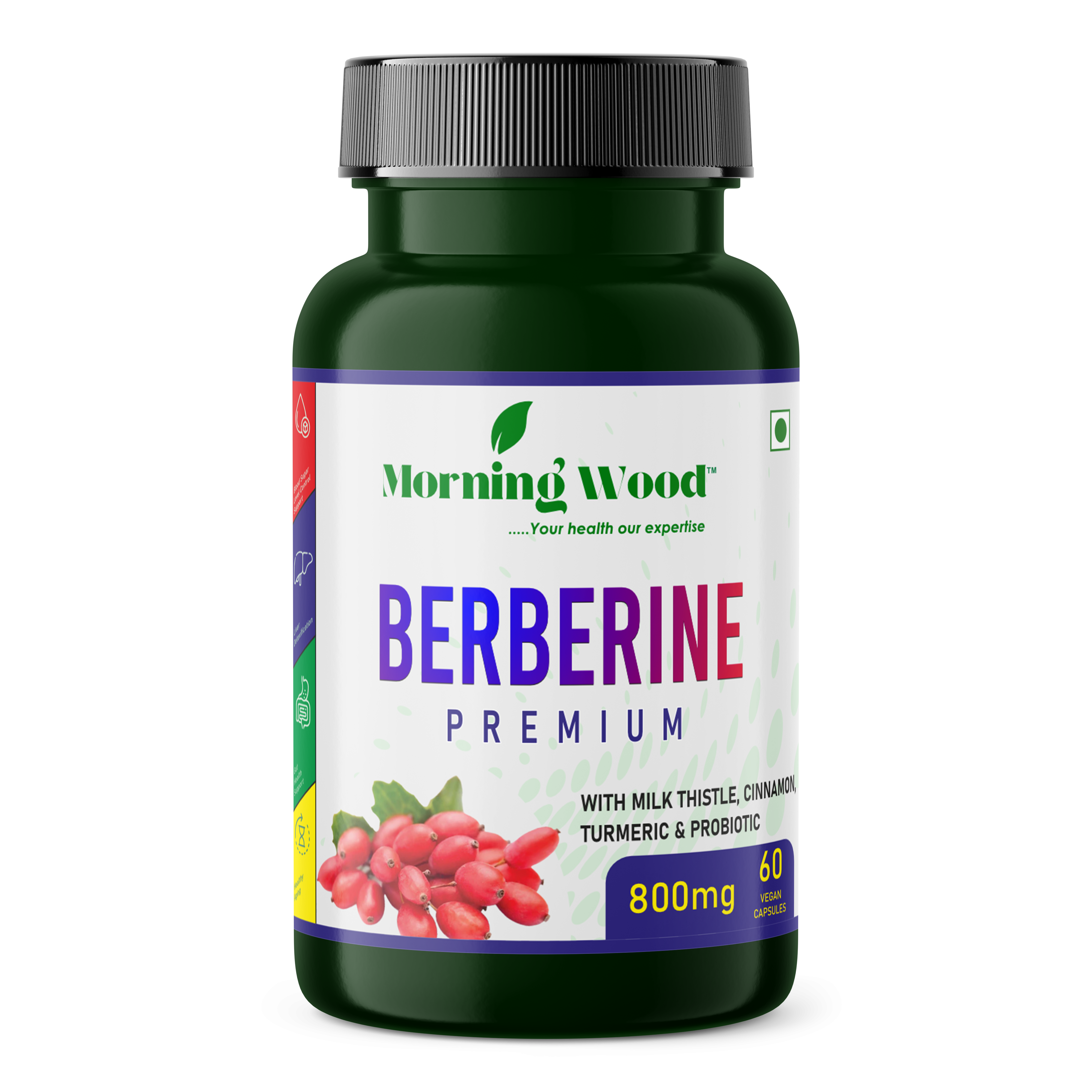
While liver-specific herbs form the core of an Ayurvedic cleanse, certain complementary supplements enhance overall detoxification and support related body systems. Berberine demonstrates impressive effects on metabolic health and fatty liver disease by improving insulin sensitivity and reducing liver fat accumulation. Research shows berberine activates AMPK, an enzyme that regulates metabolism and helps reverse fatty liver changes.
Resveratrol, a powerful antioxidant compound, protects liver cells from oxidative stress while supporting healthy inflammatory responses. This polyphenol also activates sirtuins—longevity genes that promote cellular repair and regeneration. Including resveratrol during liver cleansing provides additional protection against toxin-induced damage.
Digestive health directly impacts liver function, as an impaired gut barrier allows toxins to enter circulation and burden the liver. Supporting digestive health with appropriate supplements like Constipation Relief Capsules ensures regular toxin elimination through bowel movements, preventing reabsorption of toxins the liver has already processed.
For individuals dealing with elevated stress levels that impact liver health, Cordyceps Mushroom offers adaptogenic support that helps the body manage stress more effectively while providing additional liver-protective benefits. This medicinal mushroom has been shown to reduce liver inflammation and support healthy liver enzyme levels.
Maintaining Long-Term Liver Health After Cleansing
Completing an Ayurvedic liver cleanse marks the beginning, not the end, of your liver health journey. The real challenge lies in maintaining improvements through consistent healthy practices. Continue taking liver support supplements like Morning Wood's Liver Detox Capsules at a maintenance dose—typically lower than during active cleansing—to provide ongoing protection and support.
Follow the 80/20 principle: maintain healthy eating habits 80% of the time while allowing occasional indulgences that don't completely derail your progress. This balanced approach proves more sustainable than rigid restriction, which often leads to cycles of deprivation and overindulgence. When you do consume liver-burdening foods or beverages, support your liver with extra hydration and gentle cleansing practices the following day.
Schedule seasonal liver cleanses aligned with natural cycles—particularly in spring and fall when nature itself undergoes cleansing and renewal. These periodic intensive cleanses, lasting 7-21 days, prevent toxin accumulation and maintain optimal liver function. Many people find that after their initial comprehensive cleanse, shorter seasonal tune-ups suffice to maintain their results.
Regular health monitoring through blood tests assessing liver enzymes (ALT, AST, GGT), lipid panels, and fasting glucose provides objective feedback about your liver health status. Work with a healthcare provider who understands integrative approaches and can interpret these markers in context of your overall health picture. Gradual improvements in these biomarkers confirm the effectiveness of your ongoing liver support efforts.
Understanding Different Liver Conditions and Ayurvedic Approaches
Ayurveda recognizes various liver disorders, each requiring slightly different therapeutic approaches. Fatty liver disease (Yakrit Roga), increasingly common in modern society, results from excessive fat accumulation in hepatocytes. This condition often stems from poor diet, sedentary lifestyle, obesity, or insulin resistance. The Ayurvedic approach emphasizes bitter herbs, metabolism-supporting compounds like Berberine, increased physical activity, and dietary modifications to reverse fat accumulation.
Hepatitis, characterized by liver inflammation from viral infection, toxins, or autoimmune processes, requires herbs with strong anti-inflammatory and hepatoprotective properties. Milk thistle, bhumi amla, and kutki demonstrate antiviral effects while protecting liver cells from inflammatory damage. Supporting immune function with herbs like Ashwagandha provides additional therapeutic benefit in viral hepatitis cases.
Sluggish liver function, presenting as poor digestion, fatigue, and toxic accumulation without overt disease, responds well to gentle cleansing herbs and digestive support. This condition often reflects a broader constitutional imbalance requiring holistic treatment addressing diet, lifestyle, stress management, and appropriate herbal support. Many people fall into this category, experiencing suboptimal liver function without meeting diagnostic criteria for specific liver disease.
The Role of Stress and Emotions in Liver Health
Ayurveda has long recognized the intimate connection between emotional states and liver function—an association modern psychoneuroimmunology research increasingly validates. Chronic anger, frustration, resentment, and suppressed emotions particularly burden the liver by disrupting Pitta dosha balance. These emotional states trigger stress hormones that directly impact liver metabolism and can worsen conditions like fatty liver disease.
Addressing emotional health forms an essential but often overlooked component of comprehensive liver care. Practices like meditation, journaling, counseling, or energy healing modalities help process and release stored emotional toxins. Ashwagandha and other adaptogenic herbs support emotional resilience while protecting the liver from stress-induced damage.
Cultivating positive emotions—gratitude, compassion, forgiveness, joy—creates physiological changes that support liver function. The ancient practice of Bhakti (devotional practice) or simply spending time in activities that bring genuine pleasure reduces cortisol levels and inflammatory markers. This emotional dimension of healing, while intangible, proves as important as physical interventions for lasting liver health.
Conclusion: Your Path to Optimal Liver Health
The journey to vibrant liver health through Ayurvedic cleansing represents more than a temporary detoxification protocol—it offers a pathway to understanding your body's innate wisdom and supporting its natural healing capabilities. By combining time-honored Ayurvedic herbs, mindful dietary practices, lifestyle modifications, and quality supplements like Morning Wood's Liver Detox Capsules, you create optimal conditions for liver regeneration and lasting wellness.
Remember that every individual's path to liver health looks slightly different based on their unique constitution, current health status, and life circumstances. What remains consistent is the fundamental principle: your body possesses remarkable healing abilities when given proper support. Whether addressing fatty liver disease, general toxin accumulation, or simply optimizing an already healthy liver, the Ayurvedic approach provides a comprehensive, sustainable framework for achieving your goals.
Begin your liver cleansing journey today with small, manageable changes rather than overwhelming yourself with perfection. Perhaps start by adding warm lemon water each morning, incorporating more bitter greens into your diet, or beginning a quality liver support supplement. These seemingly small steps accumulate into transformative results over time, demonstrating that sustainable wellness comes not from dramatic interventions but from consistent, mindful choices aligned with your body's natural rhythms.
Your liver has served you faithfully every moment of your life—now it's time to return that commitment by providing the cleansing, nourishment, and support this vital organ deserves. The ancient wisdom of Ayurveda, validated by modern research and delivered through premium supplements from Morning Wood, empowers you to take charge of your liver health and, by extension, your overall vitality and wellbeing.
Ayurvedic Detox Cleanse: A Complete Guide to Natural Body Purification with Morning Wood
Ayurvedic Medicine for Fat Loss: Ancient Wisdom Meets Modern Weight Management
Related Posts

Ayurvedic Weight Loss Capsules – Best Herbal Fat Burner Supplement in India | Morning Wood

Ayurvedic Tea Ingredients: A Complete Guide to Traditional Herbal Blends for Wellness

Managing Blood Sugar Naturally: The Ultimate Guide to Ayurvedic Sugar Tablets

Ayurvedic Sugar Tablet: A Natural Way to Support Blood Sugar Balance with Morningwood

Ayurvedic Multivitamin Syrup: Why India Is Switching to Herbal Nutrition

Ayurvedic Medicine to Reduce Belly Fat: A Holistic Approach That Delivers Results

Ayurvedic Medicine to Lose Belly Fat: Proven Herbs and Rituals for a Flatter Stomach
