







Ayurveda vs Chinese Medicine: Comparing Two Ancient Healing Systems for Modern Wellness
At Morning Wood, we specialize in authentic Ayurvedic supplements that harness the wisdom of India's 5,000-year-old healing tradition. Understanding how Ayurveda compares to Chinese Medicine helps you appreciate the unique strengths of each system and make informed decisions about your wellness journey.
Historical Origins and Development
Ayurveda: The Science of Life Ayurveda, literally meaning "the science of life" (Ayur = life, Veda = knowledge), originated in India over 5,000 years ago. Its foundational texts—the Charaka Samhita, Sushruta Samhita, and Ashtanga Hridaya—were compiled between 1500 BCE and 500 CE, though the oral tradition extends much further back.
Ayurveda emerged from the Vedic civilization and is intrinsically connected to yoga, meditation, and spiritual philosophy. Ancient Ayurvedic physicians were often sages and spiritual teachers who understood health as inseparable from spiritual development and consciousness.
Traditional Chinese Medicine: Harmony with Nature Traditional Chinese Medicine developed over approximately 3,000 years in China, with its earliest written documentation appearing in texts like the Huangdi Neijing (Yellow Emperor's Classic of Internal Medicine) around 200 BCE. TCM evolved through observations of nature, philosophy, and clinical practice across numerous dynasties.
Chinese Medicine is deeply rooted in Taoist and Confucian philosophy, emphasizing harmony with natural cycles, balance between opposing forces, and the interconnectedness of all phenomena.
Both systems predate modern scientific medicine by millennia and have continuously evolved through empirical observation, clinical refinement, and philosophical integration.
Foundational Philosophies and Core Concepts
Ayurveda: The Three Doshas Ayurveda's fundamental concept revolves around three doshas—dynamic forces or principles that govern physiological and psychological functions:
Vata (air and space elements) governs movement, circulation, breathing, nerve impulses, and elimination. When balanced, Vata creates creativity, flexibility, and vitality. When imbalanced, it causes anxiety, dryness, constipation, and irregular bodily functions. Our constipation relief capsules specifically address Vata imbalance affecting elimination.
Pitta (fire and water elements) governs metabolism, digestion, body temperature, and transformation. Balanced Pitta creates intelligence, confidence, and strong digestion. Imbalanced Pitta manifests as inflammation, acidity, anger, and excessive heat. Ayurvedic digestive juice helps balance Pitta-related digestive disturbances.
Kapha (earth and water elements) governs structure, lubrication, stability, and immunity. Balanced Kapha provides strength, endurance, and emotional stability. Excess Kapha creates sluggishness, weight gain, congestion, and lethargy. Fat burner capsules support healthy Kapha balance.
Each individual has a unique constitution (Prakriti) determined by the predominant dosha combination, and health is maintained by keeping doshas in their natural balance.
Chinese Medicine: Yin-Yang and Five Elements TCM is built on several interconnected concepts:
Yin-Yang Theory describes the dynamic interplay of opposing yet complementary forces. Yin represents cooling, moistening, passive, and structural aspects, while Yang represents warming, drying, active, and functional aspects. Health requires balanced Yin-Yang.
Five Elements (Wood, Fire, Earth, Metal, Water) represent phases of transformation and correspond to organs, seasons, emotions, and physiological processes. Each element can support or control others in cyclical relationships.
Qi (Chi) is the vital life force or energy flowing through the body along pathways called meridians. Health requires abundant Qi flowing smoothly without blockages or stagnation.
Jing, Qi, and Shen represent three treasures: Jing (essence/vitality), Qi (energy), and Shen (spirit/consciousness), all requiring cultivation and preservation for optimal health.
Diagnostic Approaches
Ayurvedic Diagnosis Ayurvedic practitioners use multiple assessment methods including pulse diagnosis (Nadi Pariksha)—reading three different pulse positions on each wrist to assess dosha balance, tongue examination for coating, color, and markings, facial analysis noting skin quality, eye characteristics, and overall appearance, body constitution assessment determining Prakriti and current Vikriti (imbalance), detailed questioning about digestion, elimination, sleep, and lifestyle, and observation of voice, gait, and overall energy.
The Ayurvedic diagnostic process identifies your constitutional type, current imbalances, digestive capacity (Agni), and presence of accumulated toxins (Ama).
Chinese Medicine Diagnosis TCM practitioners employ the "Four Examinations": inspection (observing appearance, tongue, complexion, demeanor), auscultation and olfaction (listening to voice and breathing, noting body odors), inquiry (detailed questions about symptoms, medical history, lifestyle), and palpation (pulse diagnosis at three positions and three depths on each wrist, abdominal palpation).
Chinese pulse diagnosis differs from Ayurvedic approach, with TCM identifying 28+ distinct pulse qualities indicating specific patterns of disharmony.
Both systems emphasize individualized diagnosis rather than one-size-fits-all approaches, recognizing that the same symptom in different people may require completely different treatments.
Treatment Modalities
Ayurvedic Treatments Ayurveda employs diverse therapeutic approaches:
Herbal Medicine: Complex formulations using single herbs or combinations addressing specific imbalances. Morning Wood offers comprehensive Ayurvedic herbal support including Ashwagandha extract capsules for stress and vitality, curcumin capsules for inflammation, liver care capsules for detoxification, and testosterone booster capsules for male vitality.
Dietary Therapy: Personalized nutrition based on dosha type, digestive capacity, and seasonal considerations. Foods are categorized by taste, quality, and effect on doshas.
Panchakarma: Intensive detoxification and rejuvenation therapies including oil massage, steam therapy, therapeutic purgation, and other cleansing procedures.
Yoga and Pranayama: Physical postures and breathing techniques tailored to individual constitution and health goals.
Lifestyle Recommendations: Daily routines (Dinacharya), seasonal adjustments (Ritucharya), and behavioral practices supporting balanced living.
Chinese Medicine Treatments TCM utilizes complementary modalities:
Acupuncture: Inserting fine needles at specific points along meridians to regulate Qi flow, reduce pain, and restore balance.
Herbal Formulas: Complex prescriptions combining multiple herbs based on diagnostic patterns, often involving 10-20 ingredients.
Moxibustion: Burning mugwort herb near acupuncture points to warm and stimulate Qi flow.
Cupping: Applying suction cups to skin to increase blood flow, release muscle tension, and draw out pathogens.
Tui Na Massage: Therapeutic massage along meridians and acupressure points.
Dietary Therapy: Food recommendations based on energetic properties (warming/cooling, drying/moistening) and Five Element correspondences.
Qi Gong and Tai Chi: Movement practices cultivating and balancing Qi.
Herbal Medicine Approaches
Ayurvedic Herbology Ayurvedic herbs are categorized by taste (Rasa), potency (Virya—heating or cooling), post-digestive effect (Vipaka), and special properties (Prabhava). Herbs are selected based on their effects on specific doshas, tissues (Dhatus), and channels (Srotas).
Classic Ayurvedic formulations like Triphala combine multiple herbs for balanced, comprehensive effects. Our multivitamin capsules with probiotics reflect Ayurvedic principles of comprehensive nutrition supporting all body systems.
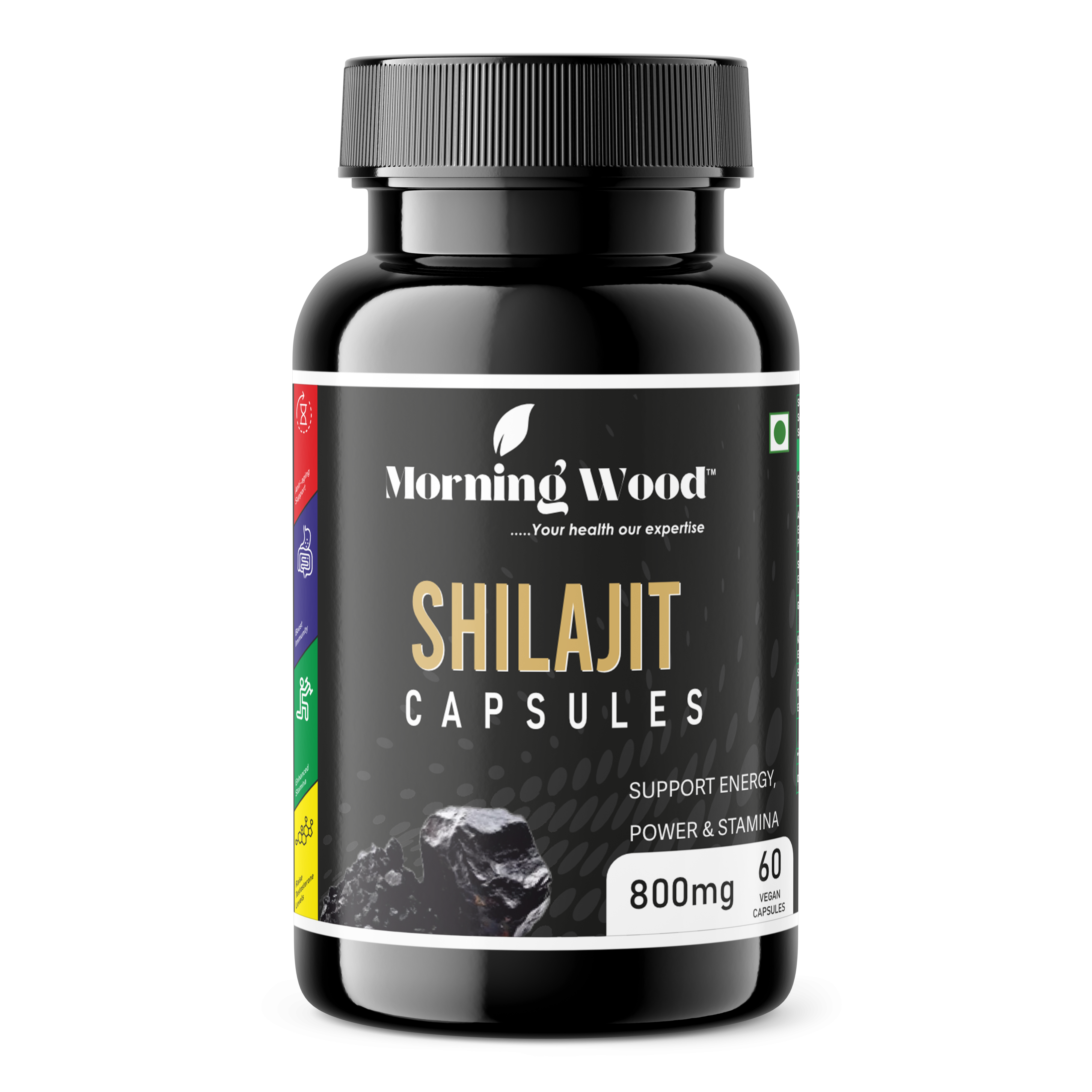
Prominent Ayurvedic herbs include Ashwagandha for stress and vitality, Turmeric (curcumin) for inflammation, Shilajit for energy and rejuvenation, Tongkat Ali for male vitality, and Brahmi for cognitive function.
Chinese Herbology Chinese herbs are classified by temperature (cold, cool, neutral, warm, hot), taste (sour, bitter, sweet, pungent, salty), and directional tendency (ascending, descending, floating, sinking). Formulas follow specific structures with Emperor, Minister, Assistant, and Envoy herbs performing distinct roles.
Chinese herbal formulas are typically more complex than Ayurvedic ones, often containing 10-20+ ingredients precisely balanced to address the root cause while managing symptoms.
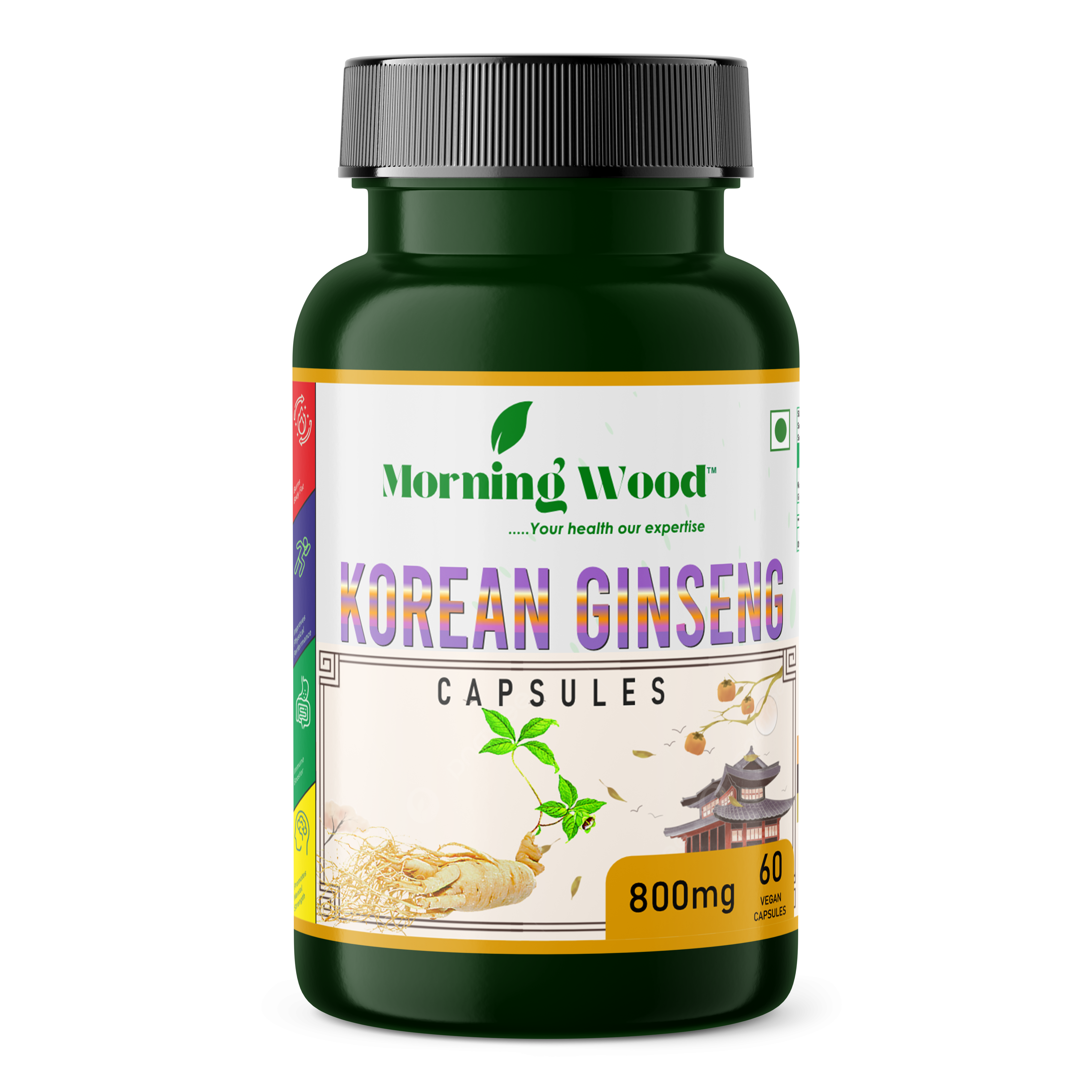
Notable Chinese herbs include Ginseng (Korean ginseng capsules) for Qi deficiency, Astragalus for immunity, Goji berries for vision and vitality, and Reishi mushroom for longevity.
Both systems emphasize synergy—herbs working together produce effects greater than the sum of individual components, while balancing actions minimize side effects.
Approach to Common Health Conditions
Digestive Disorders Ayurveda focuses on strengthening digestive fire (Agni) and identifies digestive weakness as the root of most diseases. Treatment emphasizes appropriate food combinations, eating according to constitution, and herbs supporting digestion like ginger, cumin, and fennel. Our digestive juice embodies this approach.
TCM addresses digestive issues through harmonizing Spleen and Stomach Qi, resolving dampness or food stagnation, and supporting transformation and transportation functions. Acupuncture points on the Stomach and Spleen meridians are commonly used.
Chronic Pain and Inflammation Ayurveda views pain as primarily Vata-related (movement disturbance) often combined with Ama (toxic accumulation). Treatment includes anti-inflammatory herbs like curcumin, oil massage, warmth application, and lifestyle modifications.
TCM understands pain as "Qi and Blood stagnation" or "blockage in meridians." Acupuncture directly addresses pain by moving Qi, while herbs resolve stagnation and improve circulation.
Stress and Mental Health Ayurveda recognizes stress as disturbing all three doshas but particularly aggravating Vata. Treatment includes adaptogenic herbs like Ashwagandha, meditation, pranayama, and lifestyle regularity.
TCM views anxiety and stress as Shen (spirit) disturbance, often involving Heart Qi or Liver Qi stagnation. Treatment includes acupuncture at specific calming points, herbs nourishing Heart and Liver, and Qi Gong practices.
Detoxification and Rejuvenation
Ayurvedic Detox (Panchakarma) Ayurveda's comprehensive detoxification system involves preparation (oil massage, steam), main procedures (therapeutic vomiting, purgation, enemas, nasal administration), and rejuvenation phase. This intensive process removes deep-seated toxins (Ama) from tissues.
Modern Ayurvedic detox often uses gentler approaches with liver detox capsules, Aloe Vera juice, and Triphala formulations.
Chinese Medicine Detox TCM emphasizes gradual detoxification through supporting organ function, particularly Liver for smooth Qi flow and detoxification, Kidney for toxin elimination, and Spleen for proper transformation. Herbal formulas gently clear heat, resolve dampness, and move stagnation.
Both systems recognize that aggressive detoxification can be harmful and emphasize supporting the body's natural elimination pathways.
Energy and Vitality Enhancement
Ayurveda's Approach Ayurveda uses Rasayana (rejuvenation) therapy to enhance vitality, longevity, and disease resistance. Key concepts include building Ojas (vital essence), strengthening Agni (digestive fire), and clearing Srotas (channels).
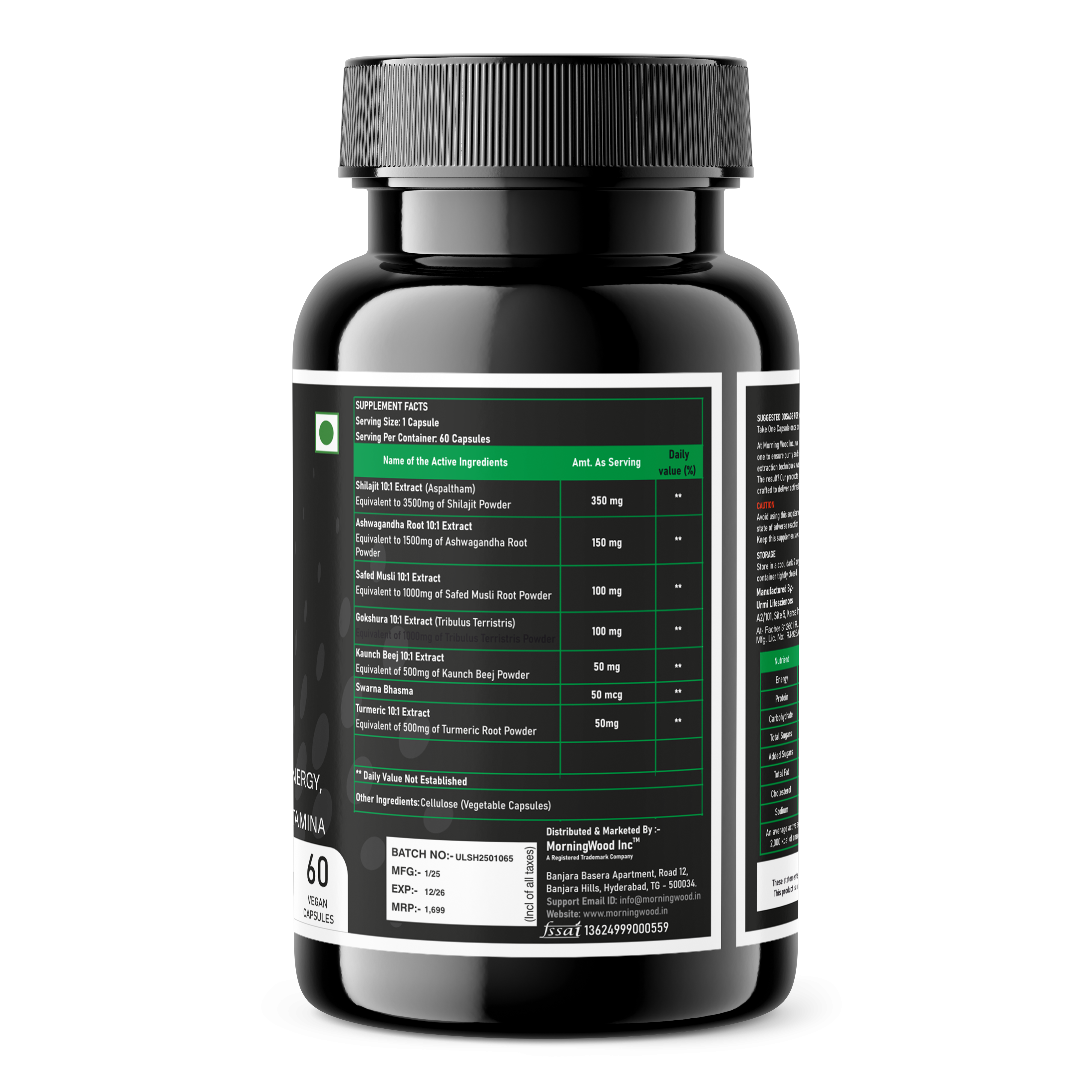
Morning Wood's vitality-enhancing supplements include Shilajit resin for comprehensive rejuvenation, Maca root capsules for energy and hormonal balance, Cordyceps mushroom for stamina, and testosterone boosters for male vitality.
TCM's Approach Chinese Medicine focuses on tonifying Qi, nourishing Jing (essence), and supporting Yang (metabolic fire) or Yin (cooling, nourishing aspect) as needed. Ginseng varieties are premier Qi tonics, while herbs like Rehmannia and deer antler nourish Jing.
Korean red ginseng capsules represent this Chinese approach to enhancing vital energy and resilience.
Cardiovascular Health
Ayurvedic Perspective Ayurveda views heart health through concepts of Rasa Dhatu (plasma/lymph), Rakta Dhatu (blood tissue), and Hridaya (heart as seat of consciousness). Treatment addresses cholesterol metabolism, circulation improvement, and emotional heart health.
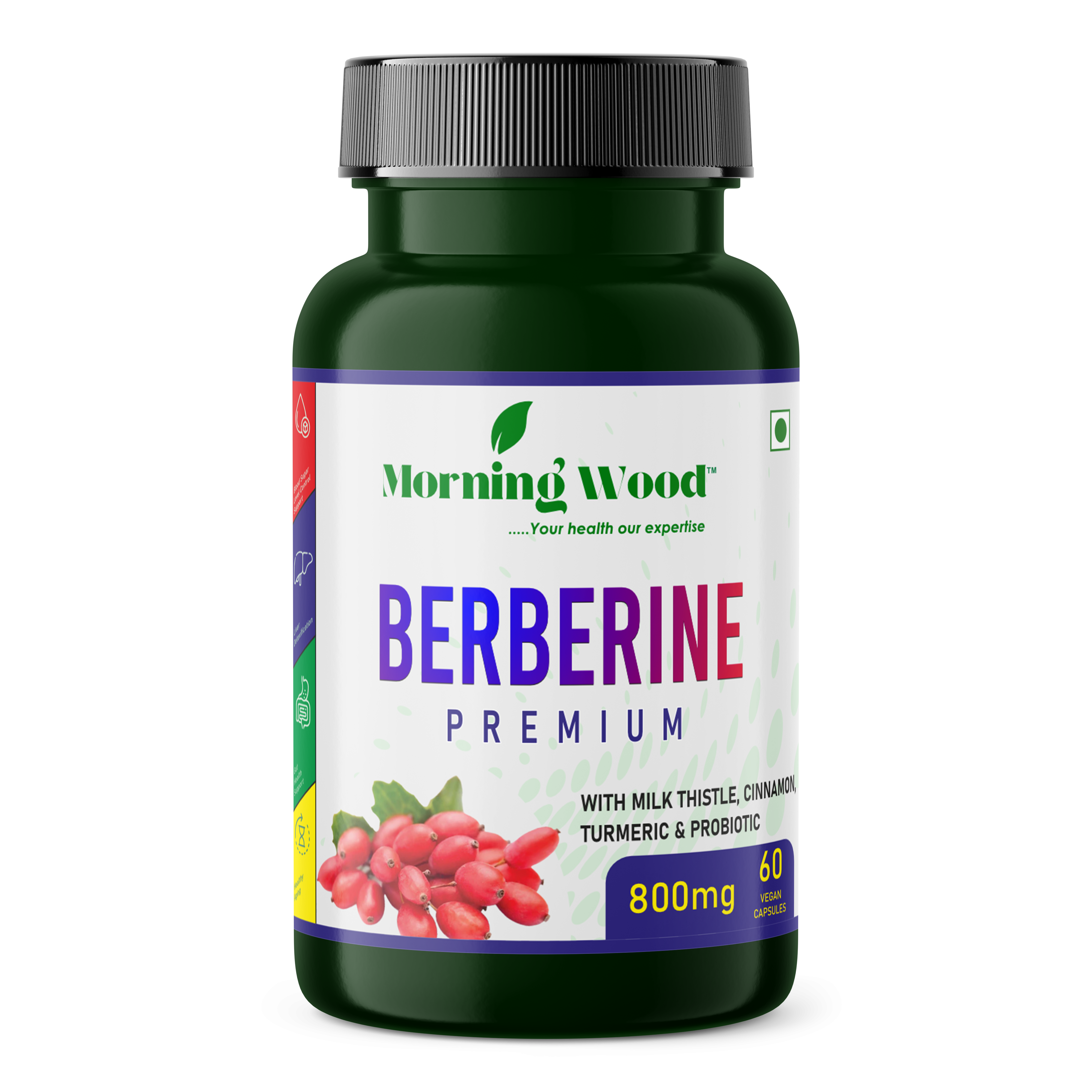
Cardio care juice combines Ayurvedic herbs traditionally supporting cardiovascular wellness, while omega-3 capsules and berberine address metabolic aspects.
TCM Perspective Chinese Medicine connects heart health to Heart Qi, Blood circulation, and emotional factors. The Heart houses the Shen (spirit), making emotional wellbeing crucial for cardiovascular health.
Both systems recognize the profound connection between emotional and cardiovascular health, addressing both through integrated treatment.
Women's Health
Ayurvedic Women's Care Ayurveda offers specific protocols for menstrual health, fertility, pregnancy, postpartum recovery, and menopause. Treatment addresses hormonal balance through dosha management, supporting Artava Dhatu (reproductive tissue), and using herbs like Shatavari and Ashoka.
Women care juice provides comprehensive support for female hormonal and reproductive wellness based on Ayurvedic principles.
TCM Women's Health Chinese Medicine views women's health through Blood and Yin nourishment, Liver Qi regulation (affecting menstruation), and Kidney essence (affecting fertility and menopause). Acupuncture and herbs regulate menstrual cycles and support reproductive health.
Men's Health and Vitality
Ayurvedic Men's Wellness Ayurveda addresses male health through Shukra Dhatu (reproductive tissue) and Ojas (vital essence). Treatment uses Vajikarana (aphrodisiac/virility) therapy including herbs like Shilajit, Ashwagandha, Tongkat Ali, and Horny Goat Weed.
Our testosterone booster and male vitality formulations embody this Ayurvedic approach to comprehensive male wellness.
TCM Men's Health Chinese Medicine addresses male vitality through tonifying Kidney Yang and Jing (essence), supporting Liver Qi flow, and nourishing Blood. Treatment focuses on energy, sexual function, and longevity.
Integration and Complementarity
Rather than viewing Ayurveda vs Chinese Medicine as competing systems, progressive practitioners recognize their complementarity. Many principles align: both emphasize prevention over treatment, recognize mind-body-spirit integration, use natural substances harmonizing with the body, personalize treatment to individuals, view symptoms as imbalance manifestations rather than diseases themselves, and consider emotional, environmental, and lifestyle factors.
Some practitioners integrate both systems, using Ayurvedic herbs with acupuncture, applying dosha concepts alongside Five Element theory, and combining yoga with Qi Gong.
Modern Scientific Validation
Both systems increasingly receive scientific validation:
Ayurvedic Research Studies confirm efficacy of Curcumin for inflammation (backed by extensive research), Ashwagandha for stress and cortisol reduction, Triphala for digestive and metabolic health, and Berberine for glucose and lipid metabolism.
TCM Research Research validates acupuncture for pain management, Chinese herbs for various conditions, and Qi Gong for chronic disease management.
Modern research increasingly confirms what ancient practitioners knew empirically through centuries of clinical observation.
Choosing Between Systems
Choose Ayurveda if you:
- Prefer oral herbal remedies over needles
- Resonate with dosha constitutional typing
- Want comprehensive lifestyle guidance integrated with treatment
- Prefer Indian philosophical framework
- Seek gentle, gradual healing approaches
Choose Chinese Medicine if you:
- Are comfortable with acupuncture
- Experience acute pain requiring immediate relief
- Prefer more complex herbal formulations
- Resonate with Yin-Yang and Five Element concepts
- Want hands-on bodywork (Tui Na, cupping)
Both Systems Excel at:
- Chronic condition management
- Preventive health optimization
- Digestive disorder treatment
- Stress and mental health support
- Immune system enhancement
- Anti-aging and longevity promotion
Morning Wood's Ayurvedic Excellence
At Morning Wood, we've chosen to specialize in authentic Ayurvedic supplements because of their proven efficacy, comprehensive wellness approach, gentle yet effective action, suitability for long-term use, and integration with modern lifestyle.
Our product range reflects Ayurveda's holistic wisdom: digestive health support, liver detoxification, stress management, male vitality, metabolic support, cardiovascular wellness, immune enhancement, and comprehensive nutrition.
Conclusion: Ancient Wisdom for Modern Wellness
Both Ayurveda and Chinese Medicine offer profound healing wisdom refined over millennia. Rather than competing, these systems provide complementary pathways to optimal health, each with unique strengths and perspectives.
Whether you choose Ayurveda, Chinese Medicine, or integrate both, you're accessing healing traditions that have sustained human health and vitality for thousands of years—a testament to their enduring validity and effectiveness.
At Morning Wood, we're honored to offer premium Ayurvedic supplements that bring this ancient wisdom into your modern life, supporting your journey toward balanced, vibrant health through nature's most powerful healing herbs.
Explore our complete range of Ayurvedic wellness solutions and experience the transformative power of India's time-tested healing tradition.
Ayurvedic Tablet for Constipation: Effective Natural Solutions for Lasting Digestive Relief
Ayurvedic Solution for Joint Pain: Natural Relief with Morning Wood's Proven Remedies
Related Posts

Ayurvedic Weight Loss Capsules – Best Herbal Fat Burner Supplement in India | Morning Wood

Ayurvedic Tea Ingredients: A Complete Guide to Traditional Herbal Blends for Wellness

Managing Blood Sugar Naturally: The Ultimate Guide to Ayurvedic Sugar Tablets

Ayurvedic Sugar Tablet: A Natural Way to Support Blood Sugar Balance with Morningwood

Ayurvedic Multivitamin Syrup: Why India Is Switching to Herbal Nutrition

Ayurvedic Medicine to Reduce Belly Fat: A Holistic Approach That Delivers Results

Ayurvedic Medicine to Lose Belly Fat: Proven Herbs and Rituals for a Flatter Stomach
