









7-Day Ayurvedic Meal Plan: Your Complete Guide to Natural Wellness
Understanding the Ayurvedic Approach to Nutrition
Ayurveda, the ancient Indian system of medicine, teaches us that food is medicine. A well-structured 7-day Ayurvedic meal plan goes beyond simple calorie counting—it focuses on balancing your body's unique constitution, or dosha, through mindful eating practices.
At Morningwood, we believe in the transformative power of traditional wellness practices combined with modern nutritional science. This comprehensive guide will help you understand how to create meals that nourish your body, mind, and spirit while supporting optimal digestive health.
Why Follow an Ayurvedic Meal Plan?
Before diving into our 7-day Ayurvedic meal plan, it's essential to understand the foundational principles. Ayurvedic nutrition considers six tastes—sweet, sour, salty, pungent, bitter, and astringent—and emphasizes eating according to your dosha type: Vata, Pitta, or Kapha.
The benefits of following an Ayurvedic eating pattern include improved digestion, enhanced energy levels, better sleep quality, and natural weight management. Many people who adopt this lifestyle also experience reduced inflammation and better mental clarity.
The Three Doshas Explained
Vata Dosha: Characterized by air and space elements, Vata individuals benefit from warm, grounding foods. If you have a Vata constitution, focus on cooked vegetables, warm spices, and healthy fats.
Pitta Dosha: Governed by fire and water, Pitta types thrive on cooling foods. Sweet fruits, leafy greens, and moderate portions work best for maintaining balance.
Kapha Dosha: Composed of earth and water, Kapha individuals need light, warming foods with plenty of spices to stimulate metabolism.
Your Complete 7-Day Ayurvedic Meal Plan
Day 1: Monday - Grounding and Energizing
Morning (7-8 AM): Start your day with warm lemon water to ignite your digestive fire, or Agni. Follow with a bowl of oatmeal cooked with cinnamon, cardamom, and topped with stewed apples. Consider supplementing with Morningwood Ashwagandha Extract Capsules to support natural stress relief.
Mid-Morning Snack (10 AM): A handful of soaked almonds with fresh dates provides sustained energy without disrupting your digestive rhythm.
Lunch (12-1 PM): Basmati rice with mung dal, sautéed spinach with cumin, and a side of cucumber raita. This combination includes all six Ayurvedic tastes and supports optimal digestion.
Evening Snack (4 PM): Herbal tea with a small portion of homemade trail mix featuring pumpkin seeds and dried figs.
Dinner (6-7 PM): Quinoa khichdi with mixed vegetables, garnished with fresh cilantro and a squeeze of lime. Keep dinner light to ensure proper digestion before sleep.
Day 2: Tuesday - Detoxification Focus
Morning: Begin with Morningwood Amla Juice diluted in warm water—a powerful antioxidant boost. Prepare a vegetable upma with curry leaves, mustard seeds, and fresh ginger.
Mid-Morning: Fresh coconut water with a pinch of rock salt replenishes electrolytes naturally.
Lunch: Whole wheat roti with chickpea curry, steamed broccoli, and a small portion of brown rice. The fiber content supports gentle detoxification.
Evening: Tulsi tea with roasted makhana (fox nuts) seasoned with turmeric and black pepper.
Dinner: Light vegetable soup with barley, finished with a drizzle of ghee for better nutrient absorption.
Day 3: Wednesday - Immunity Building
Morning: Warm turmeric milk followed by poha (flattened rice) with peanuts, curry leaves, and fresh vegetables. Support your immune system with Morningwood Multivitamin Capsules.
Mid-Morning: Seasonal fruit salad with a sprinkle of chaat masala and lime juice.
Lunch: Red rice with sambhar, beetroot poriyal, and yogurt. This traditional South Indian combination provides complete nutrition.
Evening: Ginger-cardamom tea with homemade energy balls made from dates and nuts.
Dinner: Millet dosa with mixed vegetable stew, keeping the meal light yet satisfying.
Day 4: Thursday - Digestive Reset
Morning: Start with Morningwood Digestive Juice to optimize gut health. Follow with moong dal cheela (savory pancake) with mint chutney.
Mid-Morning: Buttermilk infused with roasted cumin powder and fresh coriander.
Lunch: Traditional thali with bajra roti, mixed vegetable curry, dal, and a small portion of white rice with ghee.
Evening: Fennel tea with roasted chickpeas for a protein-rich snack.
Dinner: Clear vegetable broth with steamed vegetables and a small portion of quinoa.
Day 5: Friday - Energy Enhancement
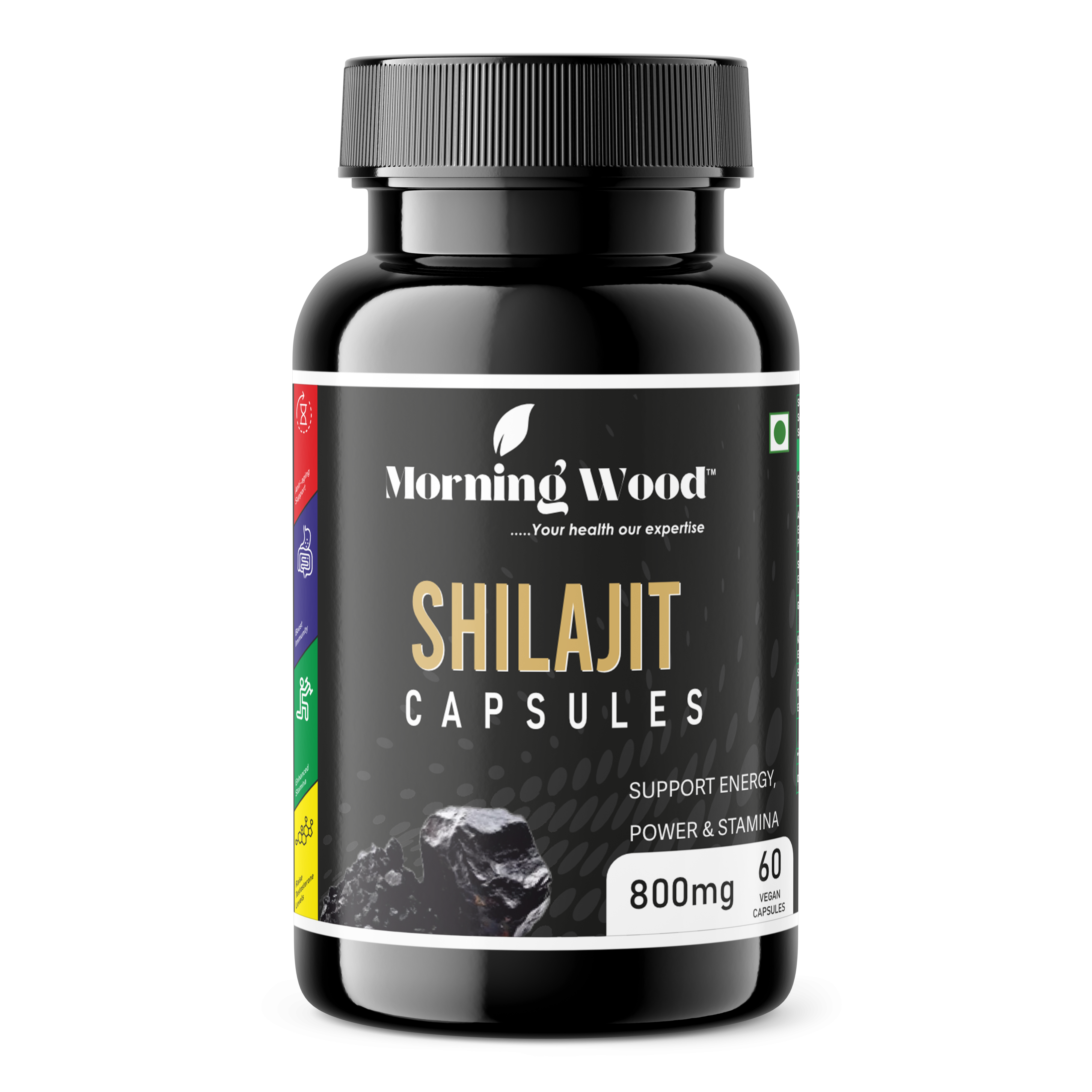
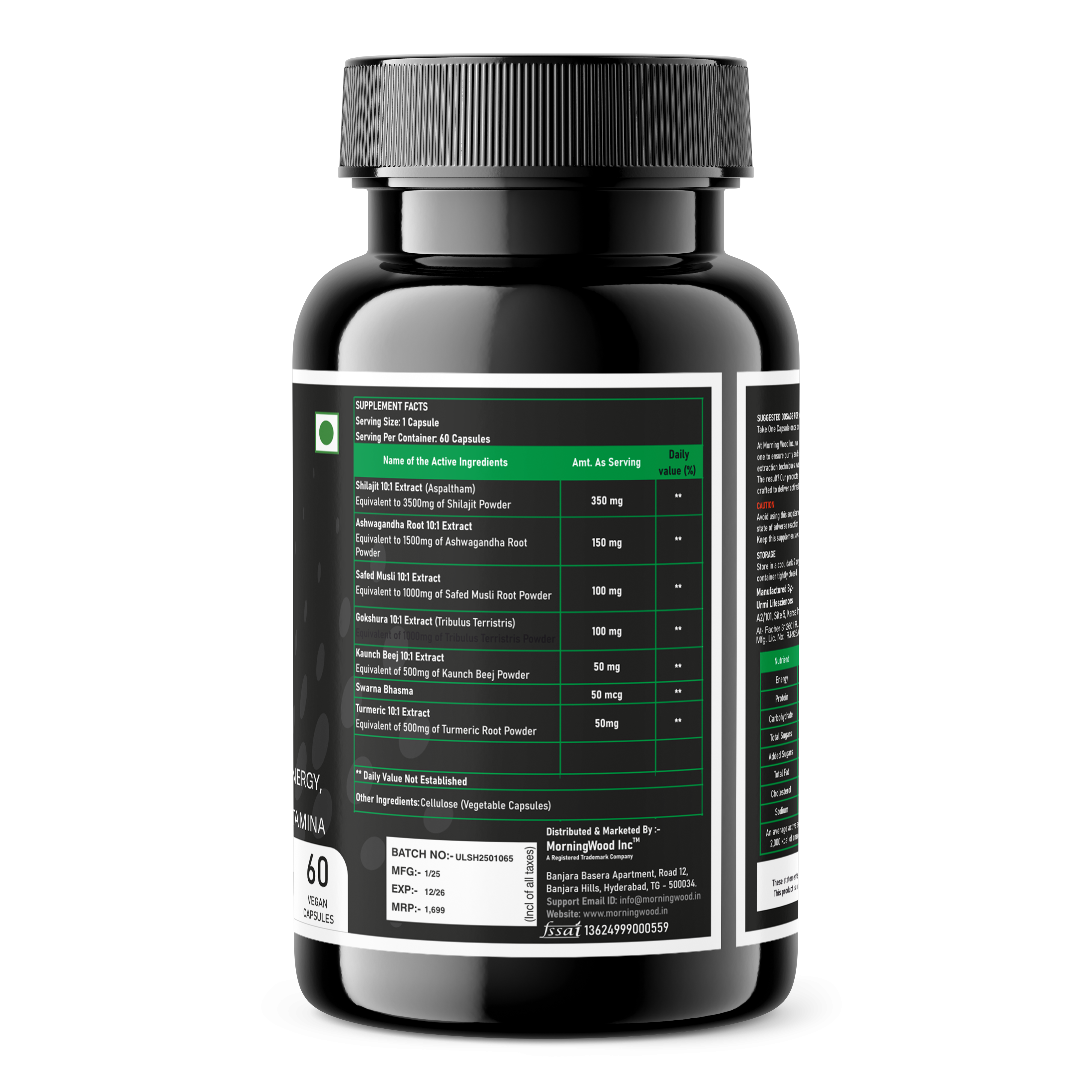
Morning: Warm water with honey and Morningwood Shilajit Resin for natural energy. Prepare masala dosa with coconut chutney and sambhar.
Mid-Morning: Fresh pomegranate seeds with a handful of walnuts.
Lunch: Brown rice pulao with paneer, mixed vegetables, and cucumber-tomato salad.
Evening: Masala chai with whole grain crackers and almond butter.
Dinner: Vegetable and lentil soup with a side of steamed amaranth, garnished with fresh herbs.
Day 6: Saturday - Cleansing and Renewal
Morning: Begin with Morningwood Aloe Vera Plain Juice for digestive support. Enjoy idli with coconut chutney and sambhar.
Mid-Morning: Fresh apple slices with cinnamon powder.
Lunch: Whole wheat pasta with mixed vegetables in a light tomato-basil sauce, complemented by a side salad.
Evening: Chamomile tea with homemade granola bars.
Dinner: Light khichdi with moong dal, vegetables, and a dollop of ghee—the ultimate Ayurvedic comfort food.
Day 7: Sunday - Balance and Harmony
Morning: Warm water followed by besan chilla (gram flour pancake) with vegetables. Consider Morningwood Curcumin Capsules for anti-inflammatory support.
Mid-Morning: Seasonal fruit smoothie made with banana, berries, and a pinch of cardamom.
Lunch: Complete Indian thali featuring roti, rice, dal, two vegetable dishes, raita, and a small dessert.
Evening: Ginger tea with roasted seeds mix.
Dinner: Vegetable biryani made with basmati rice, seasonal vegetables, and aromatic spices, keeping portions moderate.
Essential Ayurvedic Eating Principles
Timing Matters
According to Ayurveda, your digestive fire is strongest between 10 AM and 2 PM. This makes lunch the most important meal of the day. Eat breakfast after sunrise and finish dinner before sunset whenever possible.
Mindful Eating Practices
Avoid distractions while eating. Chew your food thoroughly, eating in a calm environment. This simple practice can significantly improve nutrient absorption and reduce digestive discomfort.
Seasonal Adjustments
Your Ayurvedic meal plan should adapt to seasonal changes. Include cooling foods like cucumber and mint during summer months, while warming spices and root vegetables work better in winter.
Complementing Your Meal Plan with Morningwood Supplements
While whole foods form the foundation of any 7-day Ayurvedic meal plan, strategic supplementation can enhance results. Morningwood Liver Detox Capsules support natural detoxification processes, while Morningwood Sea Moss Capsules provide essential minerals that may be lacking in modern diets.
For those focusing on overall vitality, our Morningwood Testosterone Booster Capsules offer natural hormonal support through carefully selected herbal ingredients.
Shopping List for Your Ayurvedic Kitchen
Whole Grains: Basmati rice, brown rice, quinoa, millets, whole wheat flour, oats
Legumes: Moong dal, toor dal, chickpeas, black lentils
Vegetables: Seasonal greens, root vegetables, gourds, cruciferous vegetables
Spices: Turmeric, cumin, coriander, ginger, black pepper, cardamom, cinnamon
Healthy Fats: Ghee, coconut oil, sesame oil, nuts, seeds
Fruits: Seasonal fruits, dried fruits in moderation
Meal Preparation Tips
Batch cooking on weekends can make following your 7-day Ayurvedic meal plan more manageable. Prepare grain bases, chop vegetables, and pre-make spice blends. Store items properly to maintain freshness throughout the week.
Invest in good quality spices and replace them regularly to ensure maximum potency. Whole spices retain their beneficial properties longer than pre-ground versions.
Beyond the Plate: Lifestyle Integration
A complete Ayurvedic approach extends beyond food. Incorporate gentle yoga practice, adequate sleep, and stress management techniques. Morningwood Herbal Sleep Support Capsules can help establish healthy sleep patterns that complement your nutritional efforts.
Regular self-massage with warm oil, known as abhyanga, supports lymphatic drainage and promotes relaxation. This practice pairs beautifully with your meal plan for comprehensive wellness.
Adapting the Plan to Your Needs
Everyone's constitution is unique. Some individuals may need larger portions, while others thrive on smaller, more frequent meals. Listen to your body's signals and adjust accordingly.
If you're managing specific health concerns, consider consulting with an Ayurvedic practitioner who can customize this 7-day Ayurvedic meal plan to your individual needs. Products like Morningwood Berberine Premium Capsules may provide additional support for metabolic health.
Common Mistakes to Avoid
Don't skip meals, especially breakfast. Avoid cold or iced beverages with meals, as they dampen digestive fire. Limit processed foods, refined sugars, and excessive caffeine consumption.
Overeating, even healthy foods, creates digestive stress. Ayurveda recommends filling your stomach one-third with food, one-third with liquid, and leaving one-third empty for proper digestion.
Sustaining Your Ayurvedic Journey
After completing this 7-day Ayurvedic meal plan, continue incorporating these principles into your daily life. The goal isn't perfection but consistent progress toward better health and balance.
Morningwood is committed to supporting your wellness journey with authentic Ayurvedic products and expert guidance. Whether you're exploring Morningwood Korean Ginseng Capsules for energy or Morningwood Lion's Mane Mushroom Capsules for cognitive support, we offer comprehensive solutions for holistic health.
Frequently Asked Questions
Q1: Can I follow this 7-day Ayurvedic meal plan if I have dietary restrictions?
Yes, this plan is highly adaptable. For gluten-free needs, substitute wheat with rice or millet options. Vegans can replace ghee with coconut oil and skip dairy-based items like paneer and yogurt. The core Ayurvedic principles of eating fresh, seasonal, and properly spiced foods remain applicable regardless of dietary restrictions.
Q2: How quickly will I see results from an Ayurvedic meal plan?
Most people notice improved digestion and energy levels within the first week. However, deeper changes like balanced weight, clearer skin, and enhanced mental clarity typically manifest after 3-4 weeks of consistent practice. Ayurveda emphasizes gradual, sustainable transformation rather than quick fixes.
Q3: What's the best time to take Morningwood supplements with this meal plan?
Take digestive supplements like Morningwood Digestive Juice 15-20 minutes before meals. Energy-supporting supplements like Ashwagandha work best in the morning, while calming supplements should be taken in the evening. Always consult product labels for specific timing recommendations.
Q4: Can I exercise while following this Ayurvedic eating plan?
Absolutely. Ayurveda encourages daily movement suited to your constitution. Vata types benefit from gentle practices like yoga and walking, Pitta individuals enjoy moderate-intensity activities, while Kapha types thrive with more vigorous exercise. Schedule workouts during morning hours when possible, and avoid intense exercise immediately after meals.
Q5: How do I maintain Ayurvedic eating principles when dining out?
Choose restaurants offering fresh, minimally processed foods. Opt for grilled or steamed preparations over fried options. Request mild spicing if you have Pitta constitution, or ask for extra spices if you're Kapha dominant. Avoid cold beverages with meals, and eat mindfully even in social settings. Most cuisines offer Ayurveda-friendly options when you understand the core principles.
Ayurveda Morning Routine: Transform Your Day Naturally 2025
Ayurvedic Medicine for High Blood Pressure
Related Posts

Ayurvedic Weight Loss Capsules – Best Herbal Fat Burner Supplement in India | Morning Wood

Ayurvedic Tea Ingredients: A Complete Guide to Traditional Herbal Blends for Wellness

Managing Blood Sugar Naturally: The Ultimate Guide to Ayurvedic Sugar Tablets

Ayurvedic Sugar Tablet: A Natural Way to Support Blood Sugar Balance with Morningwood

Ayurvedic Multivitamin Syrup: Why India Is Switching to Herbal Nutrition

Ayurvedic Medicine to Reduce Belly Fat: A Holistic Approach That Delivers Results

Ayurvedic Medicine to Lose Belly Fat: Proven Herbs and Rituals for a Flatter Stomach
